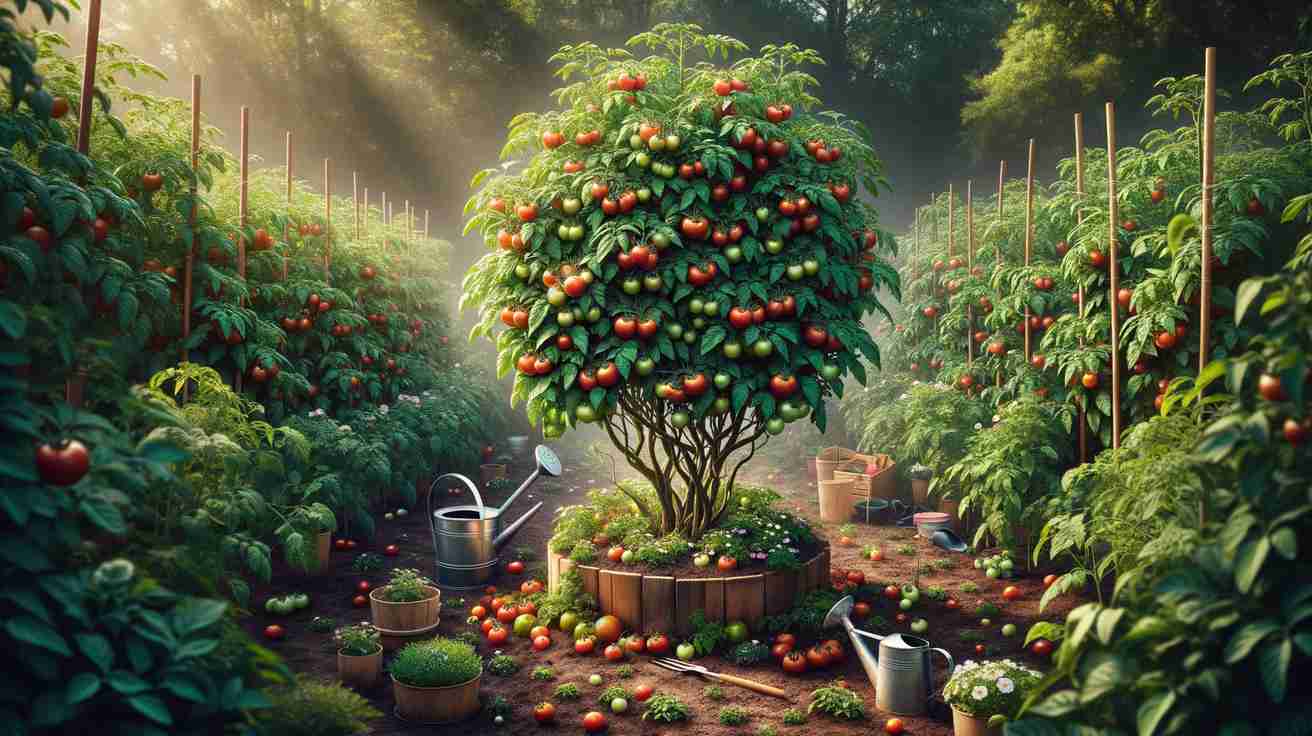
Tomato plants are a beloved staple in home gardens, admired for their lush foliage and the promise of juicy, sun-ripened fruit. However, there's nothing more frustrating than seeing your tomatoes bloom profusely, only to find that they're failing to set fruit. While many gardeners rush to blame the usual suspects—like pests or poor soil—there's a lesser-discussed reason that might be lurking in your garden. This overlooked factor could be the key to transforming your tomato blooms into bountiful harvests.
Understanding the Basics of Tomato Pollination
Before delving into the hidden reasons behind poor fruit set, it's crucial to understand how pollination works in tomatoes. Tomato plants are self-pollinating, meaning they have both male and female organs in the same flower. In theory, this makes pollination straightforward, but nature often has its complexities.
The Role of Pollinators and Wind
While tomatoes can pollinate themselves, pollinators like bees, as well as the gentle action of the wind, facilitate the process. These natural elements help shake the pollen loose from the flower's anthers to the stigma, ensuring successful fertilization. Without this movement, even the most promising blooms may never develop into tomatoes.
Temperature and Humidity's Impact
Tomato plants are sensitive to environmental conditions. Temperature extremes—both high and low—can hinder the pollination process. Ideally, daytime temperatures should range between 65°F and 85°F, with nighttime temperatures staying above 55°F. High humidity can cause pollen to become sticky, while low humidity can cause it to become too dry to transfer effectively.
The Overlooked Reason: Nutrient Imbalance
While environmental factors and pollination deficiencies are common culprits, a nutrient imbalance is a less-discussed, yet critical factor affecting fruit set. This issue often flies under the radar, as gardeners may assume that regular fertilization is enough. However, the type and balance of nutrients play a pivotal role.
The Role of Nitrogen
Nitrogen is essential for plant growth, but an excess can lead to lush foliage at the expense of fruit. This is particularly problematic for tomatoes, as an abundance of nitrogen encourages the plant to focus energy on leaf and stem development rather than fruit production.
The Importance of Phosphorus and Potassium
Phosphorus and potassium are crucial for flower and fruit development. Phosphorus supports the transfer of energy within the plant, which is vital during flowering and fruiting stages. Meanwhile, potassium enhances the plant's ability to resist disease and improves overall fruit quality. A deficiency in these nutrients can lead to poor fruit set, even if the plant appears healthy.
Balancing Nutrients
To address a nutrient imbalance, consider using a balanced fertilizer with a ratio like 5-10-10, which emphasizes phosphorus and potassium over nitrogen. Conducting a soil test can also provide insights into specific deficiencies or excesses, allowing for targeted amendments.
Additional Factors Affecting Tomato Fruit Set
While nutrient imbalance is a key issue, several other factors can also hinder fruit development. Addressing these can further improve your chances of a successful tomato harvest.
Stress from Overwatering or Underwatering
Tomatoes require consistent moisture, but both overwatering and underwatering can cause stress. Overwatering can lead to root rot, while underwatering can cause the plant to conserve energy, affecting fruit set. Aim to keep the soil evenly moist, and use mulch to retain moisture and regulate soil temperature.
Excessive Pruning
While pruning can help manage plant size and encourage air circulation, excessive removal of foliage can reduce the plant's ability to photosynthesize and produce energy for fruit development. Prune judiciously, removing suckers and excess foliage only as needed.
Disease and Pest Pressure
Common tomato diseases like blossom end rot and pests such as aphids can also impact fruit set. Regularly inspect your plants for signs of disease or pest damage, and take appropriate measures to control them. This might include using organic pesticides, promoting beneficial insects, or practicing crop rotation.
Encouraging Better Fruit Set
With a clearer understanding of the factors affecting fruit set, here are some practical strategies to maximize your tomato yield.
Implementing Companion Planting
Consider planting companion plants like basil or marigold near your tomatoes. These plants can attract pollinators and beneficial insects, enhancing the pollination process and reducing pest pressure.
Using Manual Pollination Techniques
If natural pollination isn't occurring, consider manually pollinating your tomato flowers. Gently shaking the plant or using a soft brush to transfer pollen can simulate the action of wind and pollinators, increasing the likelihood of fruit set.
Adjusting Planting Techniques
Ensure your plants are spaced adequately to allow for air circulation, which aids in pollination and reduces the risk of disease. Proper staking or caging can also support the plant and prevent damage to blooms and developing fruit.
Timing Your Fertilization
Apply fertilizers strategically, focusing on phosphorus and potassium during the flowering and fruiting stages. Avoid high-nitrogen fertilizers once the plants begin to bloom to prevent excessive foliage growth at the cost of fruit development.
Conclusion
Addressing the real reason behind poor tomato fruit set requires a holistic approach, considering both the commonly known factors and the often-overlooked nutrient balance. By understanding the needs of your tomato plants and adjusting your care routine accordingly, you can enjoy a garden full of not just blooms, but an abundance of delicious, homegrown tomatoes.
FAQs
1. Can too much sunlight affect my tomato plant's fruit set?
Yes, extreme sunlight, especially during hot weather, can stress the plant and impact fruit set. Providing shade during peak sunlight can help mitigate this.
2. How often should I water my tomato plants?
Tomatoes need about 1-1.5 inches of water per week, either from rainfall or manual watering. Consistency is key to avoid stress.
3. What type of mulch is best for tomatoes?
Organic mulches like straw, grass clippings, or shredded leaves are excellent as they help retain moisture and regulate soil temperature.
4. How can I tell if my tomato plant has a nutrient imbalance?
Symptoms like excessive foliage growth, poor flowering, or yellowing leaves may indicate a nutrient imbalance. A soil test can provide specific insights.
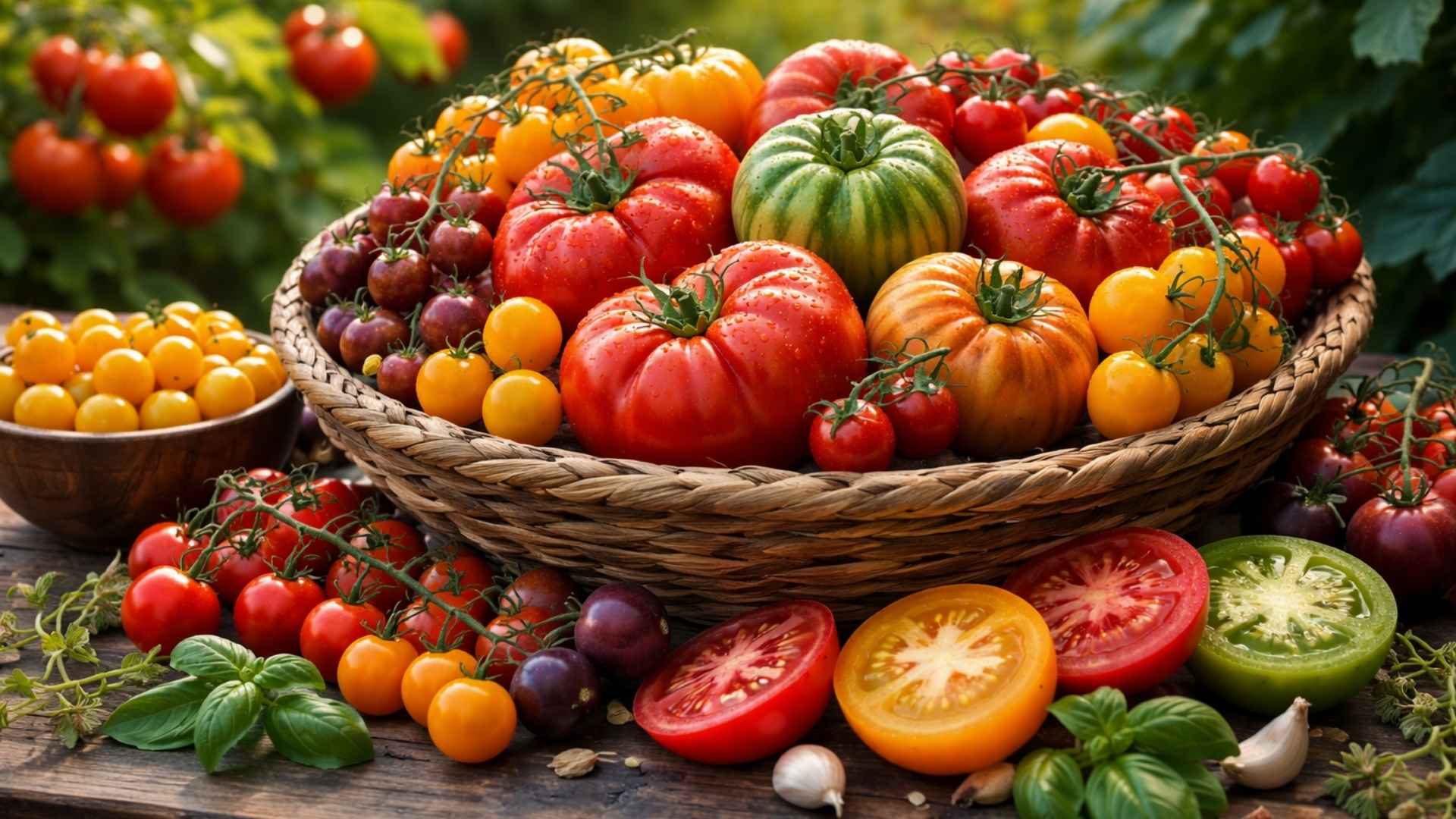
5. Are heirloom tomatoes more prone to fruit set issues?
Heirloom varieties can be more sensitive to environmental conditions, but with proper care, they can produce well.
6. Should I remove tomato flowers to encourage fruiting?
Removing the first set of blooms on young plants can encourage stronger root and leaf development, leading to better fruiting later.
7. Can I use Epsom salt for my tomato plants?
Epsom salt provides magnesium, which can be beneficial if your plants are deficient, but it won't solve nutrient imbalances related to fruit set.
8. How do I know if my tomatoes are self-pollinating?
Most tomato varieties are self-pollinating. If flowers are present but not setting fruit, consider environmental or nutrient factors.
9. Do I need to fertilize my tomatoes regularly?
Yes, regular fertilization is important, but adjust the type based on the plant's growth stage and specific needs.
10. Can planting tomatoes near other vegetables affect fruit set?
Yes, some plants like fennel can inhibit tomato growth, while others like basil can enhance it through companion planting strategies.
Discussion (0)
No comments yet. Be the first to start the conversation!
Leave a Reply