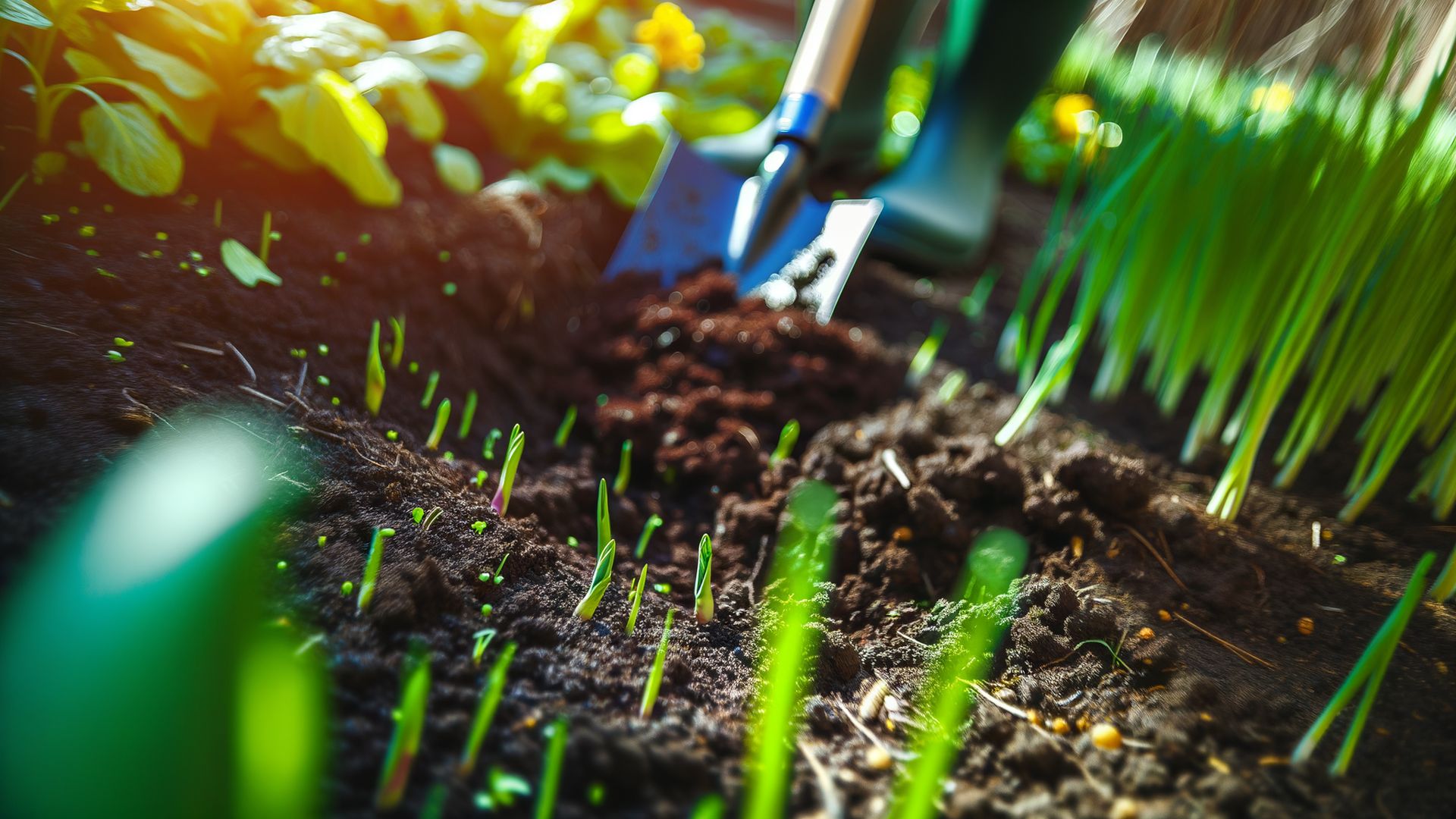
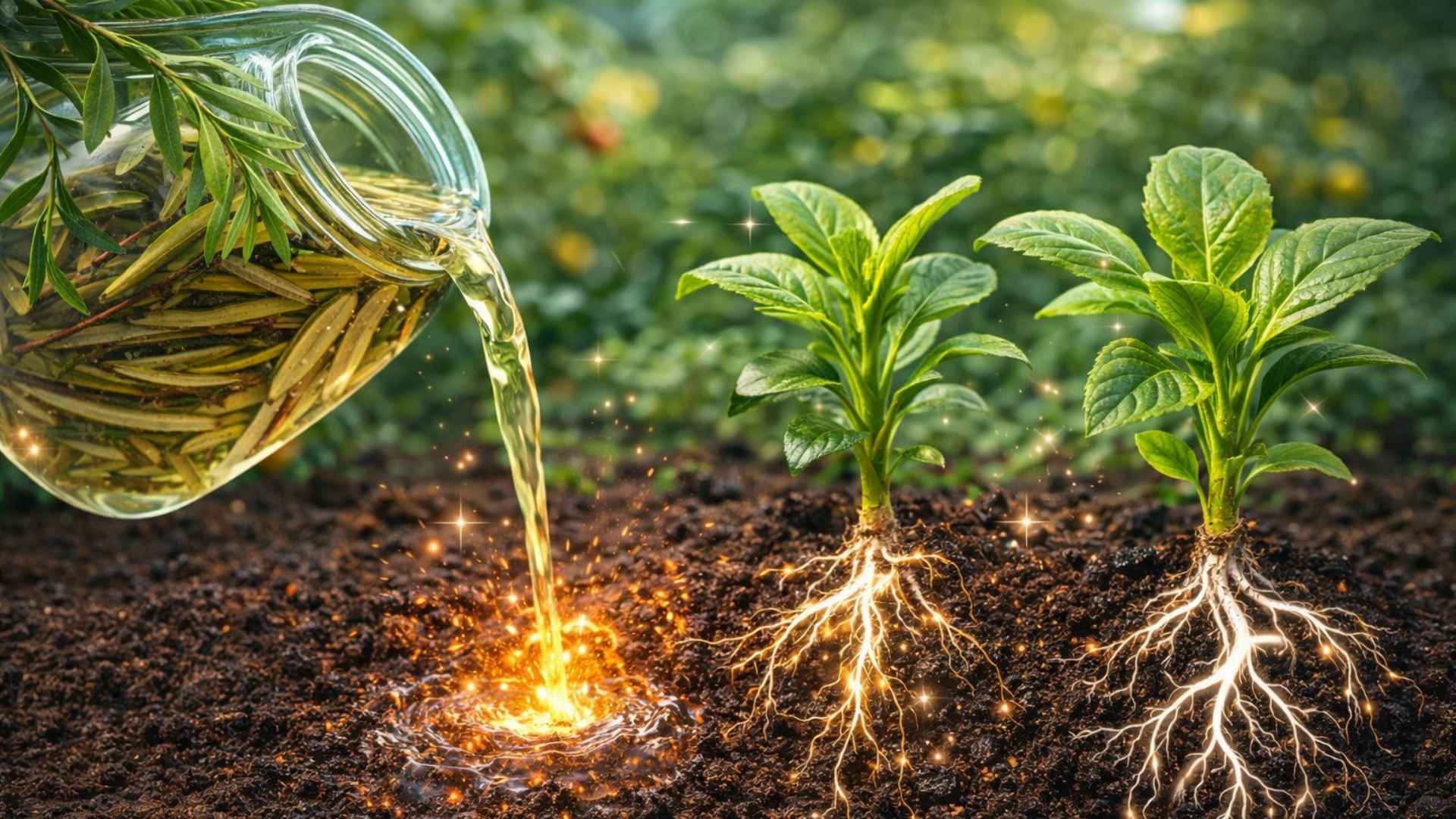

The soil beneath our feet is more than just dirt—it's a living, breathing ecosystem teeming with life. Yet, many gardeners are unknowingly nurturing "dead" soil, a condition that could have dire consequences for our gardens and the broader environment. The year 2026 marks a pivotal moment in gardening, as understanding and revitalizing our soil becomes paramount. Whether you're a seasoned gardener or just starting out, it's crucial to recognize the signs of soil degradation and embrace new practices that can breathe life back into your garden.
Understanding Soil Health
Healthy soil is the foundation of a thriving garden. It is a complex mixture of mineral particles, organic matter, water, air, and living organisms. This living community plays a vital role in nutrient cycling, water retention, and plant health.
What Is Dead Soil?
"Dead" soil is devoid of essential organic matter and microbial life. It often results from overuse of chemical fertilizers, pesticides, and poor land management practices. These chemicals can kill beneficial microbes and disrupt the natural balance, leaving soil compacted, nutrient-poor, and unable to support healthy plant growth.
Symptoms of Dead Soil
Knowing the symptoms of dead soil can help you take action before it's too late:
- Poor Drainage: Water tends to pool on the surface, leading to root rot or suffocation.
- Compaction: Soil feels hard and dense, making it difficult for roots to penetrate.
- Lack of Earthworms: Earthworms are a key indicator of soil health. Their absence suggests poor soil conditions.
- Nutrient Deficiency: Plants exhibit yellowing leaves or stunted growth, signaling a lack of essential nutrients.
The 2026 Gardening Shift: Embracing Soil Regeneration
As we approach 2026, a paradigm shift in gardening is occurring. This movement focuses on regenerative gardening practices aimed at revitalizing soil health. Here are some key strategies to consider:
1. Composting: Nature’s Way of Recycling
Composting is a simple yet effective way to enrich your soil with organic matter and beneficial microbes.
- Create a Compost Pile: Use kitchen scraps, garden waste, and leaves to start your compost. Turn it regularly to aerate and speed up decomposition.
- Vermicomposting: Introduce worms into your composting system. They help break down organic matter more efficiently, producing nutrient-rich worm castings.
2. Cover Crops: Green Manure for Soil Health
Planting cover crops, or "green manure," is an age-old technique that helps fix nitrogen, suppress weeds, and improve soil structure.
- Choose the Right Cover Crop: Legumes like clover or vetch are excellent for nitrogen fixation, while grasses like rye can help prevent erosion.
- Timing is Key: Sow cover crops after harvesting your main crops or during the off-season to maximize benefits.
3. Mulching: Protect and Nourish
Mulching involves covering the soil surface with organic materials like straw, wood chips, or leaves.
- Benefits of Mulching: It conserves moisture, reduces weed growth, and gradually breaks down, adding organic matter to the soil.
- Application: Apply a thick layer of mulch around plants, leaving space around the stem to prevent rot.
4. Reduced Tillage: Preserve the Soil Structure
Traditional tilling can disrupt soil structure and microbial habitats. Reduced tillage or no-till gardening helps maintain the integrity of the soil ecosystem.
- Use Minimal Disturbance: Instead of turning the soil, plant directly into a layer of mulch or compost.
- Tools Matter: Consider using broadforks or other tools that minimally disturb the soil.
5. Organic Amendments: Boosting Nutrient Levels
Incorporating organic soil amendments can restore nutrient balance and improve soil fertility.
- Bone Meal and Blood Meal: These provide phosphorus and nitrogen, respectively, essential for plant growth.
- Seaweed Extracts: Rich in trace minerals and natural growth hormones, seaweed can enhance soil health and plant resilience.
The Role of Biodiversity in Soil Health
Biodiversity is not just important above ground; it plays a crucial role below the surface as well. Encouraging a diverse range of plants and organisms in your garden can lead to healthier soil.
Plant Diversity
Different plants contribute various nutrients and root structures to the soil, supporting a wider range of soil organisms.
- Crop Rotation: Changing plant families each season can prevent the buildup of pests and diseases.
- Companion Planting: Pair plants that support each other's growth, such as beans with corn.
Encouraging Beneficial Insects
Insects like bees and ladybugs contribute to a balanced ecosystem by pollinating plants and controlling pests.
- Create Habitats: Plant native flowers and install insect hotels to attract beneficial insects to your garden.
Monitoring and Testing Your Soil
Regular soil testing is essential to understanding the current state of your soil and making informed decisions.
Conducting a Soil Test
- DIY Kits: Available at garden centers, these kits provide a basic assessment of pH and nutrient levels.
- Professional Testing: For more detailed analysis, send samples to a laboratory. They can provide insights into soil texture, organic matter content, and microbial activity.
Interpreting Results
Understanding your soil test results will guide you in choosing the right amendments and practices.
- pH Levels: Most plants prefer a slightly acidic to neutral pH (6.0-7.0). Adjust pH with lime (to raise) or sulfur (to lower).
- Nutrient Deficiencies: Use specific organic amendments to address deficiencies revealed by your soil test.
Looking Forward: The Future of Gardening
As we embrace this shift towards soil regeneration, the future of gardening looks promising. By adopting these practices, we not only improve our gardens but also contribute to a healthier planet.
Community and Education
Sharing knowledge and resources within gardening communities can accelerate this change.
- Gardening Workshops: Attend or organize workshops focused on soil health and sustainable practices.
- Online Forums and Groups: Join online communities to exchange tips and experiences with fellow gardeners.
Technological Advances
Emerging technologies can support our efforts to revitalize soil health.
- Soil Sensors: These devices provide real-time data on soil moisture and temperature, helping to optimize watering practices.
- Drones and Imaging: Advanced imaging can assess large areas for soil health indicators, guiding larger-scale interventions.
In conclusion, the journey to revitalizing our soil is both a challenge and an opportunity. By understanding and nurturing the life within our soil, we not only enhance our gardens but also contribute to the resilience of our ecosystems.
FAQs
1. How can I tell if my soil is dead?
Check for symptoms like poor drainage, compaction, lack of earthworms, and nutrient deficiencies.
2. What are the benefits of composting for soil health?
Composting adds organic matter and beneficial microbes, improving soil structure and fertility.
3. Why are cover crops important?
Cover crops fix nitrogen, suppress weeds, and improve soil structure, enhancing overall soil health.
4. What types of mulch should I use?
Organic mulches like straw, wood chips, and leaves are effective in protecting and nourishing the soil.
5. How often should I test my soil?
Conduct soil tests every 2-3 years to monitor pH, nutrient levels, and organic matter content.
6. Can I improve soil health without tilling?
Yes, reduced or no-till gardening preserves soil structure and promotes microbial activity.
7. What organic amendments should I use?
Bone meal, blood meal, and seaweed extracts are excellent choices for boosting soil fertility.
8. How does plant diversity affect soil health?
Diverse plants contribute various nutrients and support a wider range of soil organisms.
9. How can I attract beneficial insects to my garden?
Plant native flowers and create insect habitats to attract pollinators and pest controllers.
10. What technological tools can help with soil health?
Soil sensors and drones can provide valuable data on soil conditions and help optimize garden management.
Discussion (0)
No comments yet. Be the first to start the conversation!
Leave a Reply