Gardening is a rewarding hobby, offering the joy of nurturing life from the ground up. Yet, nothing can be more frustrating than watching your carefully planted seedlings stubbornly refuse to grow. You’ve provided them with sunlight, water, and what you believed was a perfect environment, only to see them languish. The culprit is often a singular, overlooked detail: soil compaction. This factor can silently stifle the growth of your seedlings, preventing them from reaching their full potential.
Understanding Soil Compaction
What is Soil Compaction?
Soil compaction refers to the process where soil particles are pressed together, reducing the pore space between them. This can be caused by natural processes or human activities like walking over the soil, heavy rain, and the use of heavy machinery in gardening or farming. Compacted soil is dense, making it difficult for plant roots to penetrate and for water, air, and nutrients to circulate.
Why is it a Problem for Seedlings?
Seedlings are particularly vulnerable to soil compaction. Unlike mature plants, they have tender roots that struggle to push through compacted soil. This limits their access to essential nutrients and water, stunting their growth. Additionally, compacted soil inhibits proper drainage and aeration, leading to waterlogged conditions that can suffocate roots or foster fungal diseases.
Identifying Compacted Soil
Signs of Soil Compaction
Before you can remedy soil compaction, you need to identify it. Here are some signs:
- Poor Drainage: If water pools on the surface after rain rather than soaking in, the soil is likely compacted.
- Limited Root Growth: When you pull out a struggling seedling, notice if its roots are short and stunted.
- Hard Soil Surface: If the soil is hard and difficult to dig into with a trowel, compaction could be the issue.
- Thin and Patchy Growth: Plants growing unevenly or in patches can be indicative of uneven compaction.
Testing for Soil Compaction
To test for soil compaction, try the following methods:
- Screwdriver Test: Push a screwdriver into the soil. If it’s difficult to penetrate, the soil is compacted.
- Soil Core Test: Use a soil core sampler or a simple trowel to remove a section of soil. Look for dense, hard layers that resist penetration.
Remedies for Soil Compaction
Improving Soil Structure
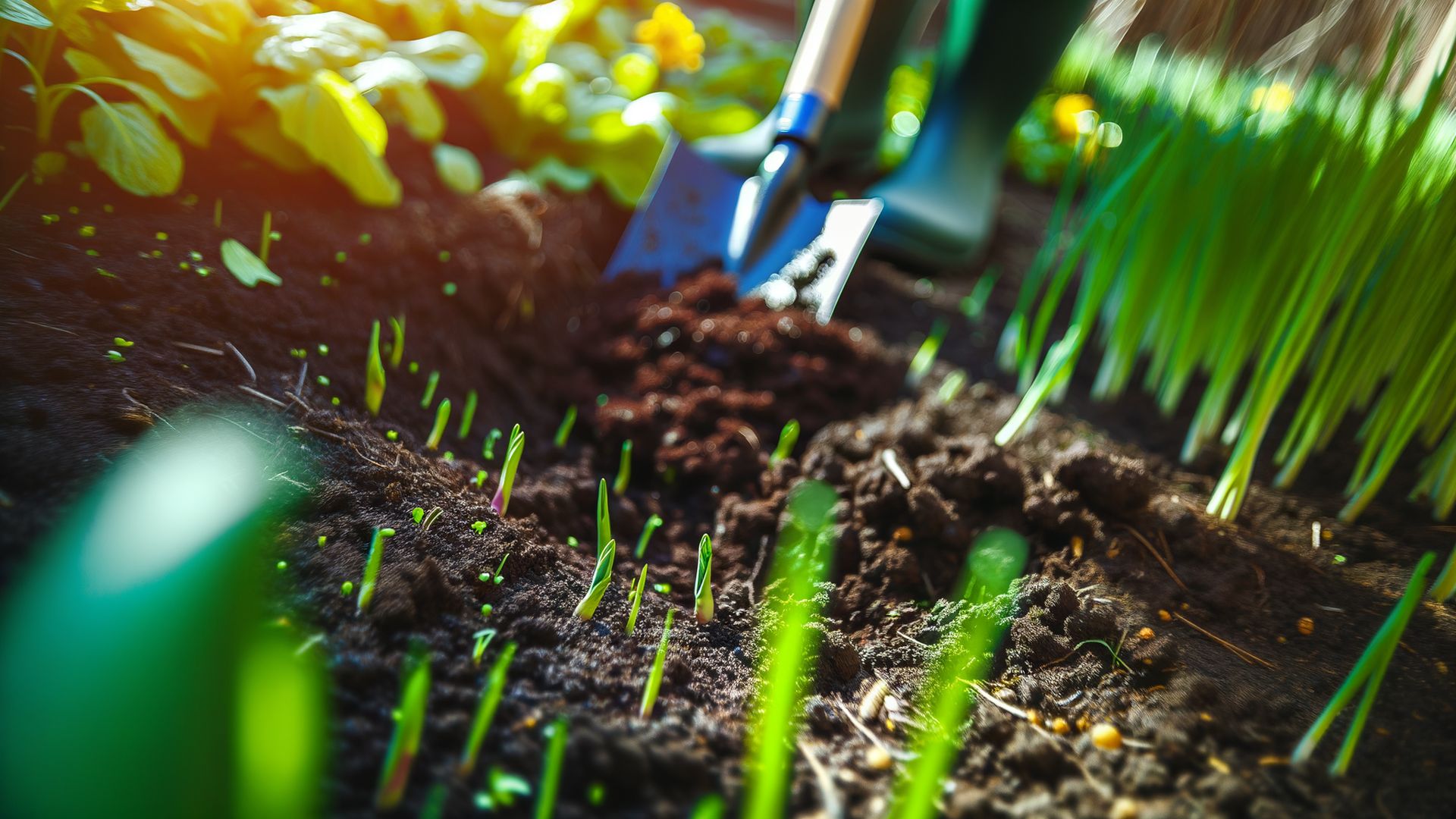
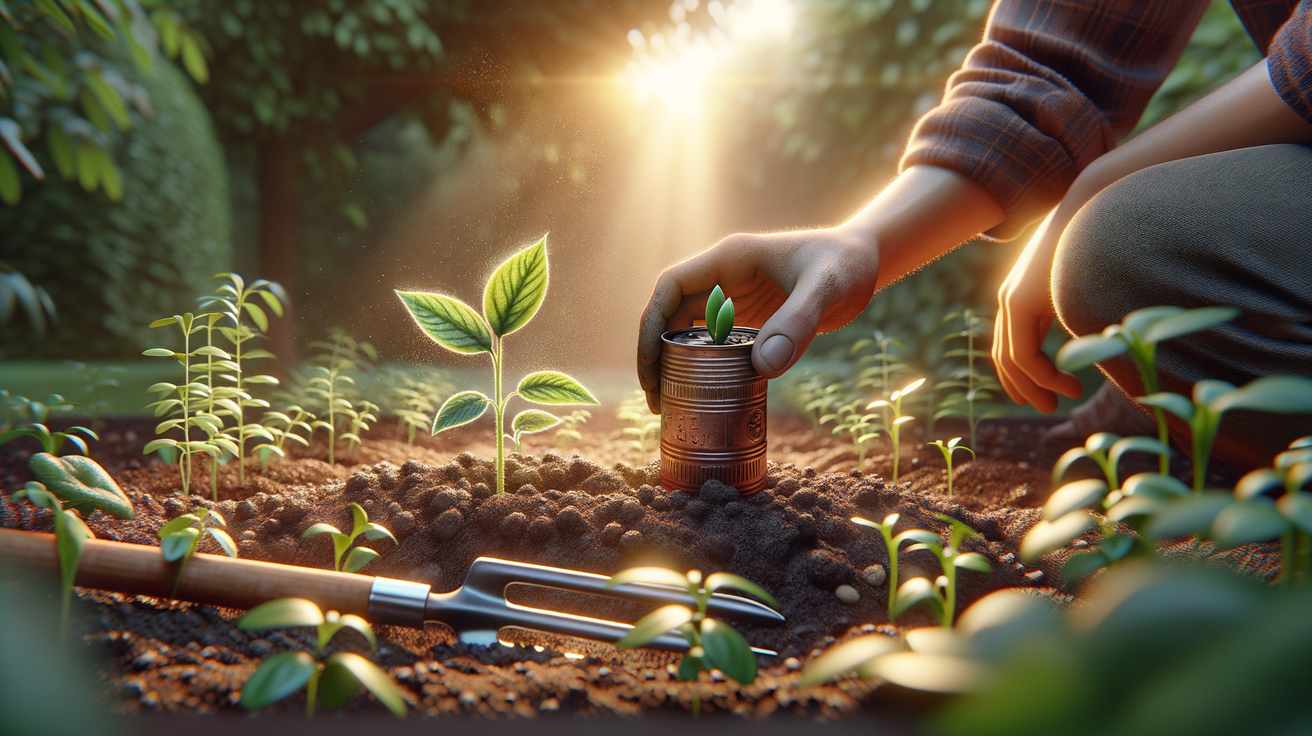
- Aeration: Manually aerate the soil by using a garden fork or aerator tool to poke holes in the soil. This helps improve air and water movement.
- Organic Matter Addition: Incorporate organic matter such as compost, well-rotted manure, or leaf mold into the soil. This can help break up compacted layers and improve soil structure over time.
Preventing Future Compaction
- Garden Layout: Plan your garden layout to minimize foot traffic over planting areas. Use designated paths and stepping stones.
- Raised Beds: Consider creating raised beds. They not only help prevent compaction but also improve drainage and soil quality.
Seasonal Maintenance
- Mulching: Apply a layer of organic mulch to protect the soil surface from compaction caused by rain impact.
- Cover Crops: Plant cover crops like clover or rye during the off-season. Their roots help break up compacted layers naturally and add organic matter back into the soil.
Optimizing Growth Conditions for Seedlings
Light and Temperature
While soil compaction is a major issue, ensure that your seedlings are also receiving adequate light and warmth. Seedlings require bright, indirect light and consistent temperatures to thrive.
Watering Techniques
Proper watering can mitigate some effects of soil compaction. Use techniques like drip irrigation or soaker hoses to ensure even moisture levels without over-saturating the soil.
Nutrient Management
Even with improved soil structure, seedlings need a balanced supply of nutrients. Test your soil’s nutrient levels and amend it with appropriate fertilizers or natural amendments as needed.
FAQs
1. What does compacted soil feel like?
Compacted soil feels hard and dense, often making it difficult to dig into with a trowel or push a screwdriver through.
2. How does soil compaction affect plant health?
It restricts root growth, limits water and nutrient uptake, and can lead to poor drainage and aeration, stunting plant growth.
3. Can I fix soil compaction during the growing season?
Yes, you can aerate the soil and add organic matter even during the growing season to improve conditions for your plants.
4. Is soil compaction more common in certain soil types?
Yes, clay-heavy soils are more prone to compaction due to their dense nature, while sandy soils are less susceptible.
5. How often should I aerate my garden soil?
Aerate your soil at least once per year, ideally in the fall or early spring before planting begins.
6. Can I use chemical solutions to fix soil compaction?
While chemical solutions exist, they are not recommended for home gardens due to potential environmental impacts. Mechanical and organic methods are safer and more sustainable.
7. What role do earthworms play in preventing soil compaction?
Earthworms naturally aerate soil as they move through it, improving its structure and nutrient availability.
8. Can heavy rains cause soil compaction?
Yes, heavy rains can compact soil, especially if it lacks organic matter. Mulching can help protect the soil surface from rainfall impact.
9. Does planting certain plants help reduce soil compaction?
Yes, plants with deep or fibrous root systems, like cover crops, can help reduce compaction by naturally breaking up the soil.
10. What tools are best for aerating compacted soil?
A garden fork or a mechanical aerator are effective tools for aerating compacted soil, especially in larger gardens or lawns.
Discussion (0)
No comments yet. Be the first to start the conversation!
Leave a Reply