Growing cucumbers can be a deeply satisfying endeavor in the garden. Their fresh, crisp taste can elevate everything from salads to sandwiches. However, it can be incredibly frustrating when your cucumber plants are covered in flowers yet fail to produce the delicious fruits you eagerly anticipate. If your cucumbers are flowering like crazy but producing nothing, don’t despair. There are several reasons this could be happening, and most come with straightforward solutions. Let's delve into the possible causes and fixes to get those cucumbers on the path to productivity.
Understanding Cucumber Flowering
The Basics of Cucumber Flowering
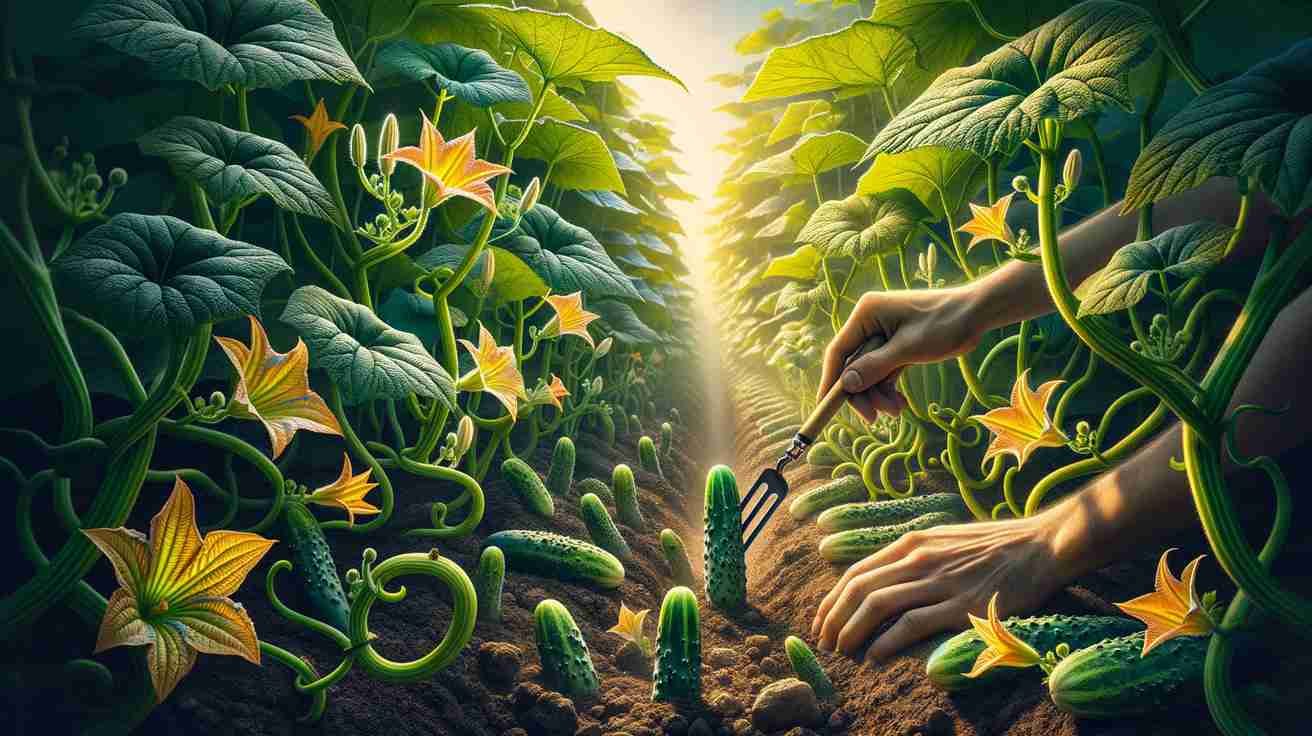
Cucumber plants are monoecious, meaning each plant has both male and female flowers. For fruit to set, pollen must be transferred from male to female flowers. Male flowers typically appear first and in greater numbers, serving the important role of producing pollen. Female flowers, on the other hand, are the ones that will develop into cucumbers once pollinated.
Differentiating Between Male and Female Flowers
To identify which flowers are male and which are female, check the base of the flower. Female flowers will have a small, immature cucumber (a swollen ovary) at the base. Male flowers will not. If your plant has plenty of flowers but is producing no fruit, it’s likely you have a lot of male flowers but not enough female flowers or inadequate pollination.
Common Reasons and Solutions
Pollination Problems
Inadequate Pollination is a frequent cause of flowering without fruiting. Pollinators such as bees, butterflies, and other insects are crucial for transferring pollen. If they are scarce, pollination might not occur.
Solution: Encourage pollinators by planting companion plants that attract bees, such as sunflowers, lavender, and marigolds. Avoid using pesticides, especially during flowering. If natural pollinators are still not visiting, consider hand-pollination. Use a small brush to gently transfer pollen from male flowers to the stigma of female flowers.
Environmental Conditions
Temperature Fluctuations can affect the viability of pollen and the setting of fruit. Cucumbers thrive in warm weather and can struggle if temperatures dip too low or spike too high.
Solution: Ensure your cucumbers are planted in a location that receives full sun. If cooler temperatures are persistent, consider using row covers to maintain a warmer microclimate. During heatwaves, provide shade cloth to reduce stress.
Nutrient Imbalance
Excessive Nitrogen can lead to lush foliage growth at the expense of flowers and fruits. While nitrogen is essential for plant growth, too much can delay fruiting.
Solution: Use a balanced fertilizer or one low in nitrogen and higher in phosphorus and potassium, which encourages flowering and fruiting. Conduct a soil test to determine nutrient levels and make amendments as needed.
Watering Issues
Irregular Watering can stress plants, affecting their ability to form fruit. Cucumbers need consistent moisture to thrive.
Solution: Water deeply and regularly, ensuring the soil stays consistently moist but not waterlogged. Mulching can help retain soil moisture and regulate temperature.
Pests and Diseases
Cucumber Beetles and other pests can damage flowers and prevent them from setting fruit. Diseases like mildew can also affect plant health.
Solution: Inspect plants regularly and remove pests by hand or with insecticidal soap. Maintain good air circulation around plants to prevent fungal diseases and remove any affected foliage promptly.
Enhancing Cucumber Productivity
Selecting the Right Varieties
Some cucumber varieties are more prolific fruiters than others. Parthenocarpic varieties, for instance, do not require pollination to produce fruit, making them ideal for areas with low pollinator activity.
Optimal Plant Spacing
Ensure cucumbers are spaced adequately to prevent competition for resources and to allow air circulation, which reduces disease pressure.
Regular Monitoring and Maintenance
Keep an eye on your plants throughout the growing season. Regularly remove any yellowing leaves, and provide supports like trellises to keep vines off the ground, improving air circulation and making flowers more accessible to pollinators.
Frequently Asked Questions
1. Why are my cucumber plants producing only male flowers?
It's common for cucumber plants to produce mostly male flowers initially. As the plant matures, female flowers should appear.
2. Can lack of pollinators really be a big issue?
Yes, without sufficient pollinators, there won't be enough pollen transfer, leading to poor fruit set.
3. How do I hand-pollinate cucumber flowers?
Use a small brush or cotton swab to collect pollen from a male flower and gently transfer it to the stigma of a female flower.
4. Is there a specific fertilizer you recommend for cucumbers?
Look for fertilizers labeled 5-10-10 or similar, which are low in nitrogen and higher in phosphorus and potassium.
5. What are parthenocarpic cucumbers?
These are cucumber varieties that can produce fruit without pollination, ideal for greenhouses or low-pollinator environments.
6. How often should cucumbers be watered?
Water cucumbers deeply about once a week, more frequently in hot or dry conditions.
7. What pests should I watch for on cucumbers?
Cucumber beetles, aphids, and spider mites are common pests that can affect cucumbers.
8. How can I improve soil fertility for cucumbers?
Incorporate well-rotted compost or aged manure into the soil before planting to enhance fertility.
9. Can I grow cucumbers in containers?
Yes, ensure the container is large enough, provides proper drainage, and use a high-quality potting mix.
10. Should I prune cucumber plants?
Pruning is not necessary but can help improve air circulation and reduce disease pressure, especially in dense plantings.
Discussion (0)
No comments yet. Be the first to start the conversation!
Leave a Reply