

Unseen Garden Threats: Stop March Pests Before They Strike!
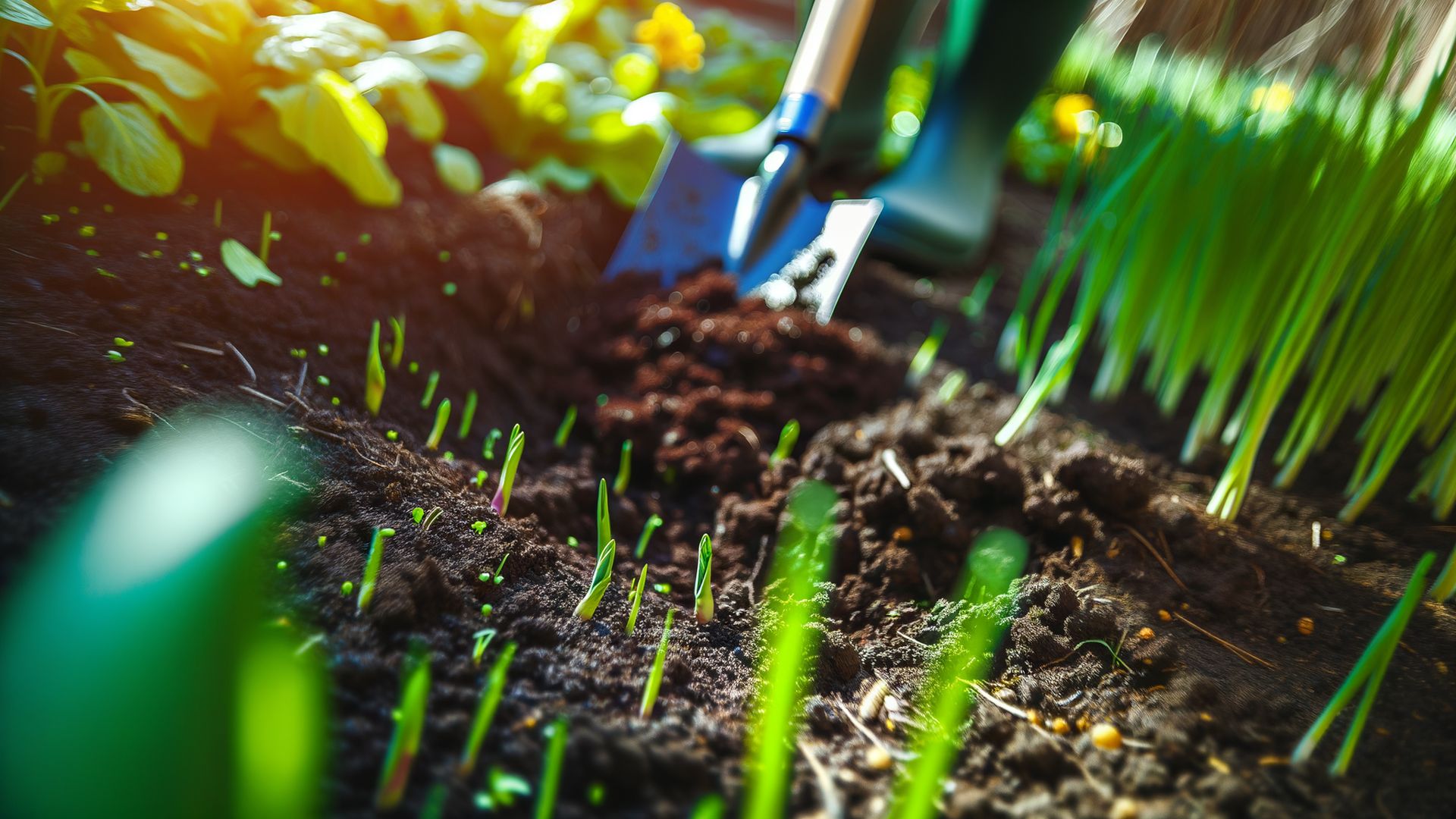
I remember the first time I fell in love with gardening. It was a crisp March morning, the kind where the air is filled with promise, and the earth smells of fresh beginnings. I had just moved into my new home, and my excitement was palpable. I pictured rows of vibrant flowers and a bounty of vegetables that would fill my table and heart. But, little did I know, the unseen garden threats lurking beneath the soil would soon challenge my idyllic visions.
As I dug my hands into the cool soil, planting the first seeds of what I hoped would become a thriving oasis, a neighbor leaned over the fence and said, “Watch out for the March pests!” I laughed it off, confident in my newfound passion. But as the days turned into weeks, I noticed my leafy greens developing peculiar spots, and my budding flowers wilting before their time. Panic set in as I discovered my once-promising garden was under attack by a host of hidden assailants.
That early experience taught me the harsh reality of gardening — the presence of invisible foes that claim your plants overnight. I embarked on a journey of learning, facing each pest head-on with a newfound resolve. I want to share this journey with you, to arm you with knowledge necessary to protect your garden from falling victim to these stealthy invaders.
Recognizing the Common March Pests
Aphids
Aphids are small, soft-bodied insects that seem harmless at first but multiply rapidly, extracting sap from your precious plants. Their favorite hangouts are the tender leaves and stems where they often hide in colonies.
Detection and Impact
Spotting aphids is relatively straightforward if you know what to look for. These pests leave a sticky residue, known as honeydew, which attracts other insects and causes sooty mold to grow. The result is curled, yellowing leaves that severely weaken plant vigor.
Cutworms
As their name suggests, cutworms are nocturnal caterpillars that sever plants at their base. They hibernate in the soil during winter and become active in early spring, particularly in March.
Identifying and Understanding Damage
You'll often find new seedlings cut off as if snipped with scissors. Check for the offenders a few inches into the soil. They are difficult to spot during daytime since they retreat underground until nightfall.
Slugs and Snails
These slimy creatures are an unavoidable nuisance in many gardens. Slugs and snails favor young plant growth and are especially troublesome in damp environments.
Visible Signs
Look for irregular holes in leaves and a tell-tale trail of slime. Plants such as hostas are particularly susceptible to their munching habits.
Fungus Gnats
Fungus gnats are tiny flying insects more attracted by the presence of wet soil. They are more of a problem in indoor settings but can quickly turn into a nuisance outdoors as well.
Recognizing Their Presence
They resemble small mosquitoes and hover around the soil surface. While adults are mostly harmless, larvae can harm plant roots as they feed on organic matter within the soil.
Root Rot and Other Fungal Foes
While not an insect, fungal diseases can be just as devastating, thriving in the damp conditions of early spring.
Symptoms and Counteractions
Plants may show signs of distress such as stunted growth and wilting, often with a blackened appearance at the base of stems. Prevention with proper watering techniques and good soil drainage is imperative.
Strategies to Defend Against March Pests
Integrated Pest Management (IPM)
Integrated Pest Management is an effective, eco-friendly approach that combines understanding pest life cycles and behavior with strategic prevention techniques.
Cultural Controls
Tactics such as crop rotation, proper spacing, and interplanting can break the life cycle of pests, reducing their numbers without resorting to chemical controls.
Physical and Mechanical Methods
Barrier methods such as floating row covers and collars around stems, as well as manual removal, are effective means to protect vulnerable plants.
Biological Control
Utilize nature's own defenses by encouraging beneficial insects such as ladybugs and lacewings that naturally hunt aphids and other pests.
Introducing Predatory Insects
Plant native flowers to attract these allies or purchase them from reputable nurseries. They offer a natural solution to controlling pest populations.
Organic Remedies
Utilizing natural insecticides such as neem oil and insecticidal soap can provide an additional layer of defense without harming beneficial organisms or your vegetables.
Creating DIY Solutions
Concoctions of water and dish soap, or chili pepper sprays, are time-tested homemade remedies to deter unwanted nuisances.
Regular Monitoring and Early Action
Inspecting your plants frequently allows for the early detection of pests before they can proliferate. Early intervention can often prevent a small issue from escalating.
Maintaining Ethical Logging
Keep a garden journal to track pest occurrences and document effective responses. Over time, you'll detect patterns that better prepare you for future growing seasons.
Frequently Asked Questions
1. What are the most common pests to worry about in March?
In March, gardeners often contend with aphids, cutworms, slugs, snails, fungus gnats, and fungi-induced issues like root rot.
2. How can I spot aphids early before they cause damage?
Look for clusters of small, green insects on new growth and sticky honeydew secretions on leaves.
3. What can I do to prevent cutworms from attacking my seedlings?
Create physical barriers around plant bases such as collars or use nighttime checks to manually remove them.
4. Are there plants that naturally repel slugs and snails?
Yes, some plants, such as ferns, foxgloves, and geraniums are less appealing to slugs and snails and may deter them.
5. Can fungus gnats harm indoor plants, and how to manage them?
While adult fungus gnats are more a nuisance, their larvae can cause damage. Allowing soil to dry between waterings and using sticky traps can mitigate their presence.
6. How do I know if my plants are suffering from root rot?
Signs include yellowing leaves, wilting, and blackened stem bases. Ensure well-draining soil and avoid overwatering to prevent it.
7. What is integrated pest management, and is it suitable for beginners?
Integrated Pest Management (IPM) is a sustainable approach focusing on understanding pest behavior and employing various control methods. It's ideal for beginners for its holistic and environmentally friendly nature.
8. Can I use household items to deter pests naturally?
Yes, a mix of water and dish soap or water with chili pepper can deter many soft-bodied pests.
9. How often should I monitor my garden for pests?
Weekly inspections are beneficial, but increase to twice a week during pest-prone periods like early spring.
10. Will introducing beneficial insects impact the local ecosystem negatively?
Introducing small numbers of beneficial insects like ladybugs is generally safe and can boost pest control naturally without ecological disruption.
Discussion (0)
No comments yet. Be the first to start the conversation!
Leave a Reply