
A Personal Tale: Rediscovering Hidden Gems in the Garden
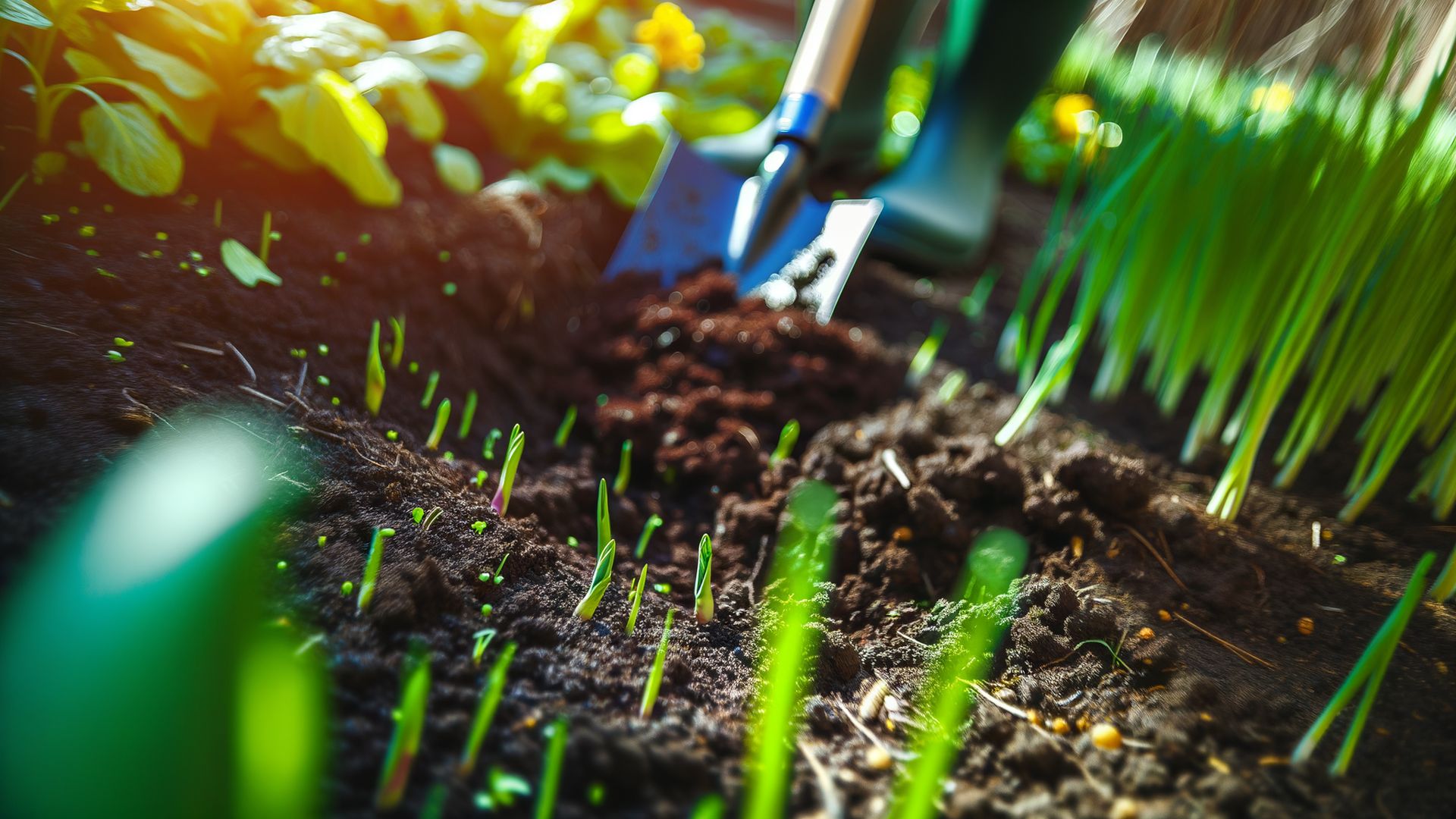
It was a brisk autumn morning, and the vibrance of fall had just begun to embrace my garden. As I gingerly pruned the last of the dahlias and harvested the remaining squashes, I stumbled upon a pile of decaying leaves and garden debris tucked in the corner of my yard. This heap, often dismissed with a disgruntled sigh, traditionally marked the last effort of my gardening season.
Memories from years past flashed before me—the annoyance of raking endless leaves, the frustration of clogged gutters. Dealing with these castaways seemed an eternal chore, and yet, in that moment, a radical idea took root in my mind. These supposed remnants of toil were not refuse; they could be a treasure trove of potential. Nature's leftovers, ignored by many, held secrets that could breathe new life into any gardener's soil.
Composting! The epiphany struck me like a lightning bolt. This heap could be a goldmine for nurturing rich, fertile earth. With growing excitement, I set out to turn this forgotten corner of my garden into a cradle of abundance, ultimately leading me to discover a world of resilience and sustainability nestled right beneath my feet.
Now, dear reader, take my hand and journey with me to explore the profound and oft-overlooked wonders of composting, a simple art that transforms waste into wealth.
The Underrated Stardom of Composting
Why Composting is the Gardener’s Best Kept Secret
In the grand scheme of gardening, composting might seem like an unsung hero, yet its role is pivotal in cultivating thriving plant ecosystems. While many gardeners purchase fertilizer bags or chemical soil amendments, the savvy gardener knows the secret lies within nature’s recycling process.
Composting not only reduces waste but also returns essential nutrients to the soil, enhancing its structure, fertility, and capacity to retain moisture. This sustainable practice reduces reliance on synthetic fertilizers and enhances the biodiversity within your garden. It's an eloquent dance of decomposing organic matter, perfected over millions of years.
Transforming Trash into Black Gold
Imagine turning everyday kitchen scraps and garden refuse into rich, dark compost, often dubbed "black gold" for its appearance and gardening value. However, understanding the composting process is crucial to create this elusive treasure.
The Essential Ingredients
The first step to composting begins with a balance of "greens" and "browns". These components foster the perfect environment for microbes to thrive, breaking down materials into nutrient-rich compost.
- Greens: Comprise nitrogen-rich materials like vegetable scraps, coffee grounds, and grass clippings.
- Browns: Include carbon-rich items like dried leaves, twigs, and paper.
Maintaining the right ratio will ensure optimal decomposition, preventing unpleasant odors and creating the most abundant compost.
The Microbial Symphony
At the heart of your compost pile lies a bustling community of microorganisms. These hard-working microbes, unseen to the naked eye, drive the decomposition process. As bacteria, fungi, and other beneficial organisms feasts on your compost materials, they break them down into simpler organic matter, converting proteins into ammonia and releasing carbon dioxide and heat—a tribute to nature’s innate brilliance.
The Step-by-Step Guide to Composting
To start composting, one needn't bead over a complex recipe. Here's a straightforward approach to unlock the potential of everyday refuse:
- Choose Your Spot: Find a shady, well-drained area to place your compost bin, preferably close to your garden for easy access.
- Layering: Begin with a layer of browns to allow drainage, then add a layer of greens. Repeat these layers, mixing them well.
- Aerate: Regularly turn the pile to introduce oxygen—a critical ingredient for microbial activity.
- Monitor Moisture: Keep the compost about as damp as a wrung-out sponge; neither parched nor soggy.
- Time: Patience is key, as compost can take anywhere between weeks to months to mature fully.
Reaping the Benefits
Once your pile has transformed into soft, crumbly compost, it's time to savor the fruits of your labor. Incorporate this compost into the soil, enriching garden beds, potted plants, and vegetable plots. With compost, you give back to the earth and help sustain a thriving garden ecosystem.
Composting FAQ
Can I compost all kitchen scraps?
While many kitchen scraps are viable for compost, avoid composting meat, dairy, and oily foods, as they attract pests and slow decomposition.
How long does compost take to break down?
The composting process can take anywhere from several weeks to a year, depending on factors such as material type, pile size, and frequency of turning.
How do I know when my compost is ready?
Your compost is mature when it turns a dark, crumbly texture, has an earthy smell, and is free from recognizable material chunks.
What should I do if my compost smells?
A smelly compost pile usually means it's not receiving enough oxygen. Turn the pile more frequently and avoid adding excessive wet materials.
Is there any garden waste I shouldn't compost?
Avoid composting diseased plants, weeds that have gone to seed, and plants treated with pesticides, as these can harm your compost and garden.
Can I compost paper products?
Many paper products, like shredded newspaper and cardboard, are great for composting, adding carbon to balance the greens. Avoid glossy or heavily printed paper.
What's the best way to aerate compost?
Use a pitchfork or shovel to turn and mix the compost pile regularly, ensuring sufficient oxygen is introduced.
Do I need a specialized composter?
Although many styles of composters are available, a simple heap in a designated corner of your yard or a homemade bin can be equally effective.
Can composting continue in winter?
Yes, it can. Decomposition slows in cooler temperatures, but activity resumes as temperatures rise. Use a cover to retain heat and moisture.
How does composting benefit the environment?
Composting reduces the amount of waste sent to landfills, cuts down methane emissions, and returns nutrients to the soil, supporting plant growth and biodiversity.
Discussion (0)
No comments yet. Be the first to start the conversation!
Leave a Reply