It was a crisp spring morning in early April, and I found myself kneeling in my grandmother's garden. The fragrance of lilacs danced in the air as I dug my fingers gently into the earth, helping her plant the first batch of marigold seeds. Her garden was her pride and joy, a tapestry of colors and life she had nurtured for decades. "You know," she said, motioning towards a small brown bottle on her workbench, "sometimes the simplest solutions are the most powerful." It was hydrogen peroxide, and she swore by its magic. I was skeptical then, but little did I know, that small bottle would soon become an indispensable part of my gardening arsenal.
Why Use Hydrogen Peroxide in Your Garden?
Hydrogen peroxide is much more than a first-aid staple. It is a versatile and effective tool that can dramatically improve the health and productivity of your garden. H2O2, as it is chemically known, is a molecule made up of two hydrogen atoms and two oxygen atoms. This compound is used for various purposes, from household cleaning to personal hygiene. But in the garden, its benefits are nothing short of miraculous.
Enhance Root Growth
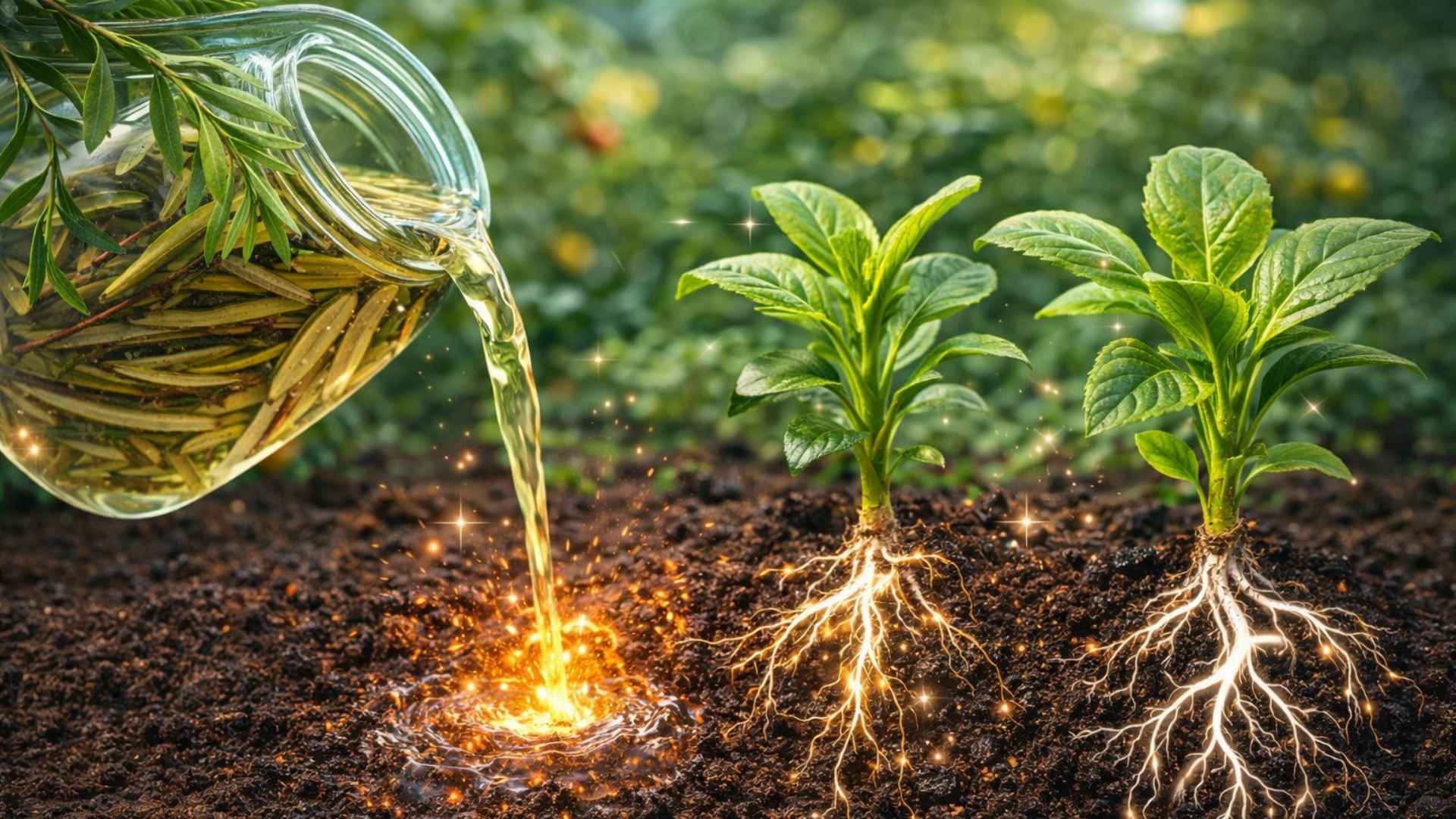
One of the most critical components of a healthy plant is its root system. Hydrogen peroxide can significantly enhance root growth by breaking down into water and oxygen. As the oxygen is released into the soil, it enriches the root zone, encouraging healthy root development and promoting vigorous plant growth.
Disease Prevention
Just like in humans, plants can be plagued by disease that hinders their growth and productivity. Fungal infections, in particular, are common culprits. Hydrogen peroxide acts as an effective antifungal agent, preventing diseases like root rot and powdery mildew. This simple compound can be a gardener’s best friend in maintaining robust plant health.
Pest Control
Pests and insects are a constant threat to your precious plants. Using hydrogen peroxide as a natural pesticide can be a game-changer. Its mild yet effective properties can eliminate unwanted pests, ensuring your garden thrives without resorting to harsh chemicals.
How to Use Hydrogen Peroxide in Your Garden
Understanding how to properly use hydrogen peroxide in the garden is essential for maximizing its benefits. Here's a step-by-step guide to using this powerful compound effectively.
Ratio and Preparation
To avoid damaging your plants, it's vital to properly dilute hydrogen peroxide. Generally, a 3% solution is sufficient for gardening purposes.
- Seed Treatment: Soak seeds in a solution of 1 tablespoon of hydrogen peroxide per cup of water. This will help disinfect seeds and improve germination rates.
- Soil Treatment: For enhancing soil oxygen levels and preventing root rot, mix 1 part hydrogen peroxide with 3 parts water and apply directly to the soil around plants.
- Foliage Spray: For foliar diseases and pest control, dilute hydrogen peroxide with 10 parts water and spray directly onto plant leaves.
Application Methods
- Watering: Replace regular water with a diluted hydrogen peroxide solution for periodic irrigation. This can improve soil aeration and reduce the risk of disease in compacted soils.
- Foliar Spray: To control mold and pests, apply the foliar spray in the early morning or late evening to avoid leaf burn under the sun.
- Seed Soak: Before planting, seed treatment can be a boon. Soak seeds for 30 minutes to an hour in diluted hydrogen peroxide for quicker germination.
Cautionary Measures
Although hydrogen peroxide is beneficial, it can be harmful if used excessively. Overuse can lead to plant stress and soil imbalance. Always begin with the lowest recommended concentration and frequency to observe plant response.
Specific Applications and Benefits
Improving Germination Rates
Enhancing the chances of successful seed germination is critical for a thriving garden. Hydrogen peroxide can stimulate sprouting by softening seed coats, thus increasing water uptake and reducing germination time.
Promoting Soil Health
Aside from supplying oxygen, hydrogen peroxide can help mitigate compaction issues. In poorly drained or heavily compacted soils, it can aid in maintaining a balanced environment conducive to microbial activity and nutrient absorption.
Treating Pests and Fungi
In case of pest infestations or fungal outbreaks, hydrogen peroxide can be used strategically to manage the problem without harming other beneficial organisms. For instance, a weekly treatment on affected plants can control fungi such as mold and mildew.
DIY Projects Using Hydrogen Peroxide
Integrate hydrogen peroxide into some effective DIY garden projects to customize solutions tailored to your plants' needs. This could involve creating organic pest repellents or enhancing compost breakdown speed.
Common Myths About Hydrogen Peroxide
With so much information floating around, it's easy to succumb to myths surrounding the use of hydrogen peroxide in gardening. Let's debunk these together.
Hydrogen Peroxide is Harmful to Soil
While concentrated forms can indeed be harmful, appropriately diluted hydrogen peroxide is perfectly safe and arguably beneficial to soil health. It improves soil aeration and microbial activity without causing damage when used correctly.
All Plants Benefit Equally
Not every plant needs hydrogen peroxide to flourish. It's more beneficial for plants prone to root diseases and waterlogging issues. Tropical plants, for example, may require less frequent application.
Hydrogen Peroxide is a Miracle Solution
While it's highly effective, it's not a one-size-fits-all cure. Healthy garden practices, such as crop rotation, adequate watering, and good soil management, should accompany its use for optimum results.
FAQs
What is the best dilution ratio for hydrogen peroxide in gardening?
A 3% solution diluted with equal parts water is generally effective for most garden needs.
How often should I apply hydrogen peroxide to my plants?
For general maintenance, once every two weeks is sufficient. Increase frequency slightly for pest or disease issues, but always monitor plant responses.
Can I use hydrogen peroxide on all plant types?
While most plants tolerate it well, some sensitive species may react adversely. Always test a small area or plant first.
Does hydrogen peroxide kill beneficial soil microbes?
In low concentrations, it's more likely to promote microbial activity by supplying oxygen.
Can hydrogen peroxide help with plant diseases?
Yes, it's an effective antifungal and antibacterial treatment when applied correctly.
What should I do if I accidentally use too much hydrogen peroxide?
Flush the soil with plenty of water to dilute any excess and reduce possible stress on plants.
Is hydrogen peroxide safe for organic gardening?
Yes, hydrogen peroxide is approved for organic gardening practices.
How can hydrogen peroxide promote seed germination?
It softens seed coats and reduces dormancy periods, allowing quicker germination.
Can hydrogen peroxide cure root rot?
While it can't reverse severe root rot, it can certainly prevent and mitigate early stages of infection.
Are there any plants that particularly benefit from hydrogen peroxide?
Plants prone to compacted soil conditions or fungal infections are ideal candidates, such as tomatoes and roses.
{ "@context": "https://schema.org", "@type": "FAQPage", "mainEntity": [ { "@type": "Question", "name": "What is the best dilution ratio for hydrogen peroxide in gardening?", "acceptedAnswer": { "@type": "Answer", "text": "A 3% solution diluted with equal parts water is generally effective for most garden needs." } }, { "@type": "Question", "name": "How often should I apply hydrogen peroxide to my plants?", "acceptedAnswer": { "@type": "Answer", "text": "For general maintenance, once every two weeks is sufficient. Increase frequency slightly for pest or disease issues, but always monitor plant responses." } }, { "@type": "Question", "name": "Can I use hydrogen peroxide on all plant types?", "acceptedAnswer": { "@type": "Answer", "text": "While most plants tolerate it well, some sensitive species may react adversely. Always test a small area or plant first." } }, { "@type": "Question", "name": "Does hydrogen peroxide kill beneficial soil microbes?", "acceptedAnswer": { "@type": "Answer", "text": "In low concentrations, it's more likely to promote microbial activity by supplying oxygen." } }, { "@type": "Question", "name": "Can hydrogen peroxide help with plant diseases?", "acceptedAnswer": { "@type": "Answer", "text": "Yes, it's an effective antifungal and antibacterial treatment when applied correctly." } }, { "@type": "Question", "name": "What should I do if I accidentally use too much hydrogen peroxide?", "acceptedAnswer": { "@type": "Answer", "text": "Flush the soil with plenty of water to dilute any excess and reduce possible stress on plants." } }, { "@type": "Question", "name": "Is hydrogen peroxide safe for organic gardening?", "acceptedAnswer": { "@type": "Answer", "text": "Yes, hydrogen peroxide is approved for organic gardening practices." } }, { "@type": "Question", "name": "How can hydrogen peroxide promote seed germination?", "acceptedAnswer": { "@type": "Answer", "text": "It softens seed coats and reduces dormancy periods, allowing quicker germination." } }, { "@type": "Question", "name": "Can hydrogen peroxide cure root rot?", "acceptedAnswer": { "@type": "Answer", "text": "While it can't reverse severe root rot, it can certainly prevent and mitigate early stages of infection." } }, { "@type": "Question", "name": "Are there any plants that particularly benefit from hydrogen peroxide?", "acceptedAnswer": { "@type": "Answer", "text": "Plants prone to compacted soil conditions or fungal infections are ideal candidates, such as tomatoes and roses." } } ] }
Discussion (0)
No comments yet. Be the first to start the conversation!
Leave a Reply