

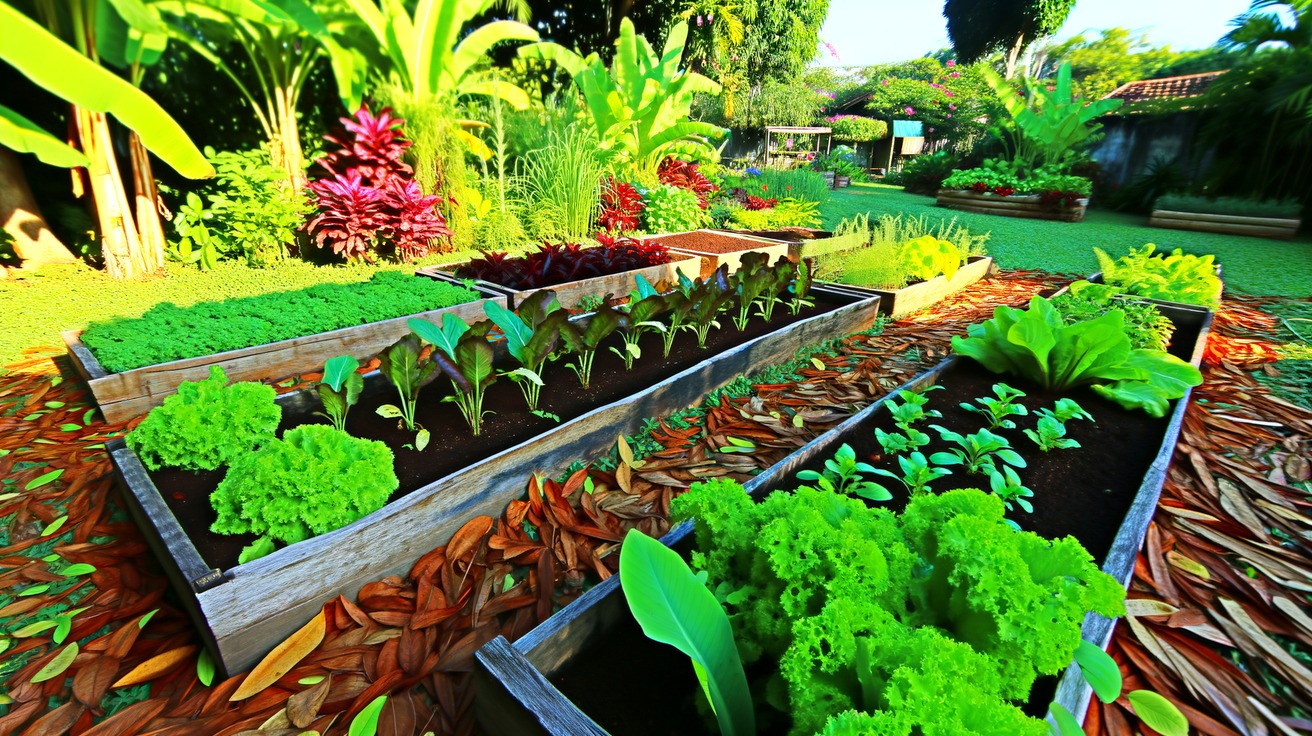
When my grandmother first captivated me with stories from her bountiful garden, I was just a child, wide-eyed at the thought of seeds growing into meals. Gardening was magic in my eyes—magic that later translated into a passion. Her raised beds were particularly mesmerizing, bustling with life and flavor. Yet, like all gardens, even Granny’s labors occasionally faltered. It was during a cold March that I witnessed her nurse an underperforming garden back to its full potential. March came to be the month of transformation; the month where she worked her spell, encouraging life to sprout from dormancy and mediocrity to become lush abundance.
Prepping Your Raised Beds for Spring
If you, like I was, are prepared to dive into the world of raised bed gardening, March is your gateway. This month offers the perfect opportunity to evaluate and revitalize your garden. After the hibernation of winter, gardens can feel a little worse for wear. With the right tools and mindset, you can transform these beds into verdant cornucopias.
Clean & Clear
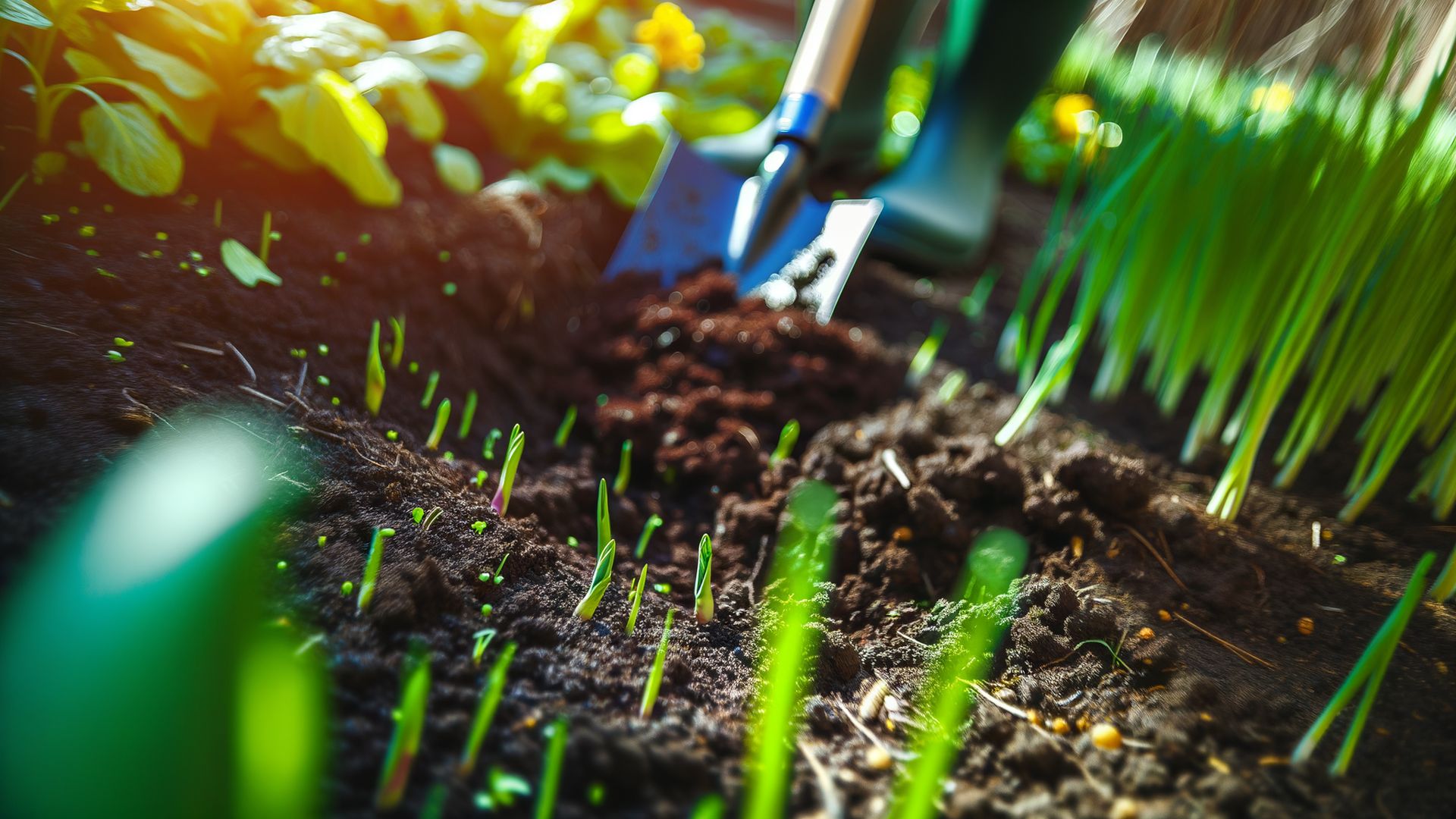
The magic starts with a good cleanup. Remove any debris, fallen leaves, and weeds. Weeds can often snatch precious nutrients away from your plants, and they only grow stronger with time. Use a gentle hand and a trusty trowel to coax them out of the soil without disruption.
Evaluate Your Soil
Winter weather can compact your soil, so it’s crucial to assess its condition. Using a hand fork, lightly turn the soil, breaking up clumps and aerating the ground. This simple act encourages the microbial life that supports plant growth.
Nourish Your Soil
Healthy soil is the foundation of a successful garden. As your grandmother’s garden whispered to me all those years ago, it pays to listen to what your soil needs.
Compost
For robust and healthy plants, add a layer of compost. It not only enriches the soil with nutrients but also improves its texture and water retention capabilities. Just a layer two to three inches thick can work wonders.
Amend as Necessary
Consider your plants’ specific needs. Some may thrive in slightly acidic soil or need additional phosphorus. Conduct a soil test to determine pH levels and nutrient deficiencies, then add suitable amendments such as lime, rock phosphate, or greensand.
Repair and Refresh Garden Structures
March can be a reflective time for the gardener, one that provides a clear vision of what needs mending and tweaking.
Rebuild Edges
Check the sides of your raised beds for wear or damage from the freeze and thaw cycles. Replace any rotting wood or crumbling stone to maintain the structural integrity of your beds.
Add Protective Layers
Consider adding a tarp or row cover to maintain moisture levels in the ground and protect early seedlings from unpredictable March frosts. These materials can help extend your growing season by keeping the soil warmer.
Optimize Planting Strategy
Thoughtful planning always precedes a bountiful harvest. When you harmonize your planting strategy with nature, the garden rewards you tenfold.
Succession Planting
Practice succession planting to maximize productivity. For example, once your early spring radishes are harvested, replace them with summer crops such as peppers or tomatoes.
Companion Planting
Partner plants that benefit each other when placed together. Marigolds, for instance, repel nematodes that target tomatoes. Conversely, avoid planting species that compete for the same nutrients right next to each other.
Embrace Organic Pest Management
Start exploring organic methods to manage pests. Chemical pesticides can deplete the soil of beneficial organisms and harm the ecosystem.
Natural Predators
Encourage natural predators like ladybugs and spiders into the garden. Ladybugs feast on aphids, while spiders control a variety of garden pests.
Plant-Based Solutions
Incorporate naturally pest-repellent plants like basil near tomatoes or garlic near roses. These partners not only assist in pest control but also derive mutual benefits.
FAQs: Questions Answered
Here are some common queries to further assist you as you unlock your garden's potential.
1. What is the best way to determine my soil's pH level?
Conduct a soil test using a home testing kit, available at most garden centers. This will give you a comprehensive overview of nutrient levels and soil pH.
2. How can I naturally enrich my soil if compost isn't available?
Consider using manure from local sources, worm castings, or purchase organic soil amendments from your garden shop.
3. What are some hardy crops I can start planting in March?
Crops like peas, lettuce, spinach, and radishes are suitable for colder temperatures and can be sown in March.
4. How often should I water my raised beds in March?
Your watering schedule will depend on your climate. However, aim to keep the soil consistently moist but not waterlogged.
5. What are some signs that my soil may be compacted?
If water pools on the surface or plants have shallow roots, your soil may be compacted and needs aeration.
6. Can I use last year's seeds for planting this year?
Yes, as long as they've been stored in a cool, dry place; their viability can last 1-3 years depending on the seed type.
7. How far apart should I plant different species?
Spacing depends on the plant types. Generally, larger plants need more space. Consult seed packet guidelines for each variety.
8. What are some organic materials for building raised beds?
Reclaimed wood, untreated cedar, or stones are all excellent, environmentally-friendly options for raised bed frames.
9. How can I keep weeds from returning?
Applying a mulch layer of straw or wood chips can prevent weed germination by blocking light.
10. Should I rotate crops in raised beds?
Yes, rotating crops annually helps reduce pest and disease cycles and avoids nutrient depletion.
Discussion (0)
No comments yet. Be the first to start the conversation!
Leave a Reply