A Personal Journey: The Strawberry Patch
Once upon a time, nestled in a quaint village, I stumbled upon an elderly gardener named Eleanor, whose modest strawberry patch outshone even the most lavish gardens in the county. Eleanor, with her sun-kissed skin and hands roughened by years of labor, harbored a secret—a secret that was whispered among gardening circles: the key to unlocking triple strawberry yields.
I remember my first encounter with Eleanor vividly. I was a novice gardener, and my strawberry plants seemed perpetually stunted. One warm afternoon, I found myself strolling past her yard, drawn by the vibrant red berries basking in the sun. Eleanor noticed my admiring gaze and called me over.
"Curious, aren't you?" she said with a twinkle in her eye. "Let me tell you a little secret."
Her secret, as I soon discovered, was a testament to the wisdom of experience and a deep understanding of nature's rhythm. This guide, inspired by Eleanor's teachings, will unveil the time-tested techniques that can transform your strawberry patch from ordinary to extraordinary.
Understanding the Basics of Strawberry Farming
Before we dive into Eleanor's secret, it's essential to understand the foundations of strawberry farming. Strawberries belong to the genus Fragaria, and they are perennial, meaning they'll return year after year if cared for properly.
Selecting the Right Variety
The first step in maximizing yield is selecting the right strawberry variety. June-bearing strawberries produce once per year, typically providing a large, concentrated harvest. Meanwhile, everbearing varieties produce two to three smaller harvests in a season, and day-neutral strawberries produce fruit throughout the season. Choose a variety based on your climate and harvest preference.
Planting Location
The location of your strawberry patch greatly affects its productivity. Strawberries thrive in full sunlight—aim for at least six to eight hours of sun per day. Ensure that your soil is well-drained to prevent root rot, as strawberries do not fare well in waterlogged conditions.
The Time-Tested Secret: Companion Planting
Eleanor's secret lies in an ancient practice known as companion planting. This method involves planting compatible plants together to create a harmonious and synergistic garden environment, boosting yields through natural means.
Key Companion Plants
- Borage: This herb is a powerful ally. It attracts pollinators and improves the flavor and texture of strawberries.
- Basil: Planting basil near strawberries can deter unwanted pests and enhance growth.
- Lettuce: By planting lettuce around strawberries, you can conserve soil moisture and prevent weeds, which are detrimental to strawberry patches.
Avoid These Bad Neighbors
While some plants can enhance strawberry growth, others can be detrimental. Avoid planting cabbage, cauliflower, and broccoli near strawberries, as these members of the brassica family can inhibit their growth.
Advanced Techniques to Boost Strawberry Yields
Proper Fertilization
Strawberries are initially planted with a slow-release fertilizer, but as the season progresses, they benefit from a boost. Use a balanced fertilizer or well-aged compost to nurture robust growth. Remember, over-fertilizing can lead to leafy growth at the expense of fruit production.
Effective Watering
Water is the lifeblood of strawberries, but moderation is crucial. Apply water directly to the root zone, maintaining consistent moisture without saturation. Using a drip irrigation system can effectively manage moisture levels, reducing the risk of fungal diseases.
Mulching for Success
Mulching is an indispensable practice for strawberry farmers. A layer of organic mulch, such as straw or pine needles, retains moisture, suppresses weeds, and keeps fruit clean and off the soil.
Pest and Disease Management
Identifying Common Pests
Strawberries are prone to pests like slugs, snails, and aphids. Encourage natural predators like birds and beneficial insects to keep these pests at bay. For severe infestations, consider organic insecticidal soap.
Tackling Diseases
Diseases such as gray mold and powdery mildew can plague strawberries. Practice crop rotation, improve air circulation by spacing plants adequately, and remove affected fruit promptly to minimize these issues.
The Bounty of Harvesting
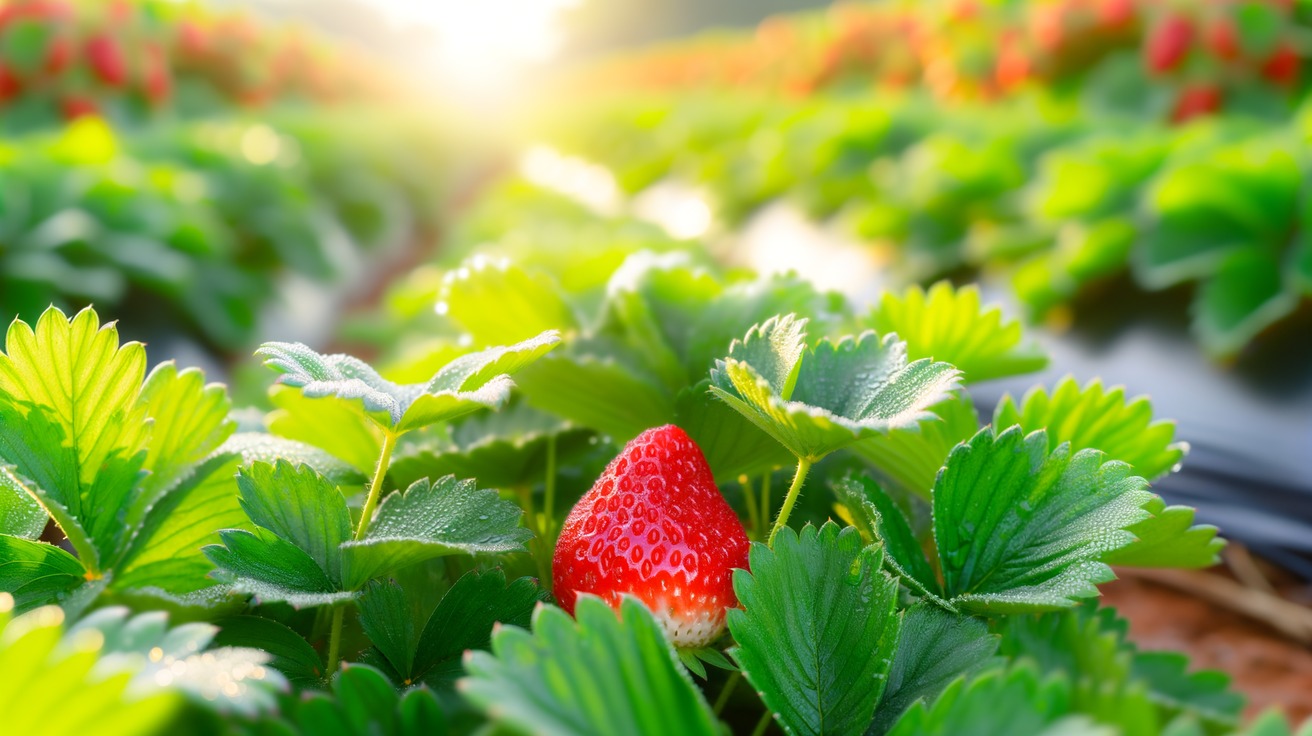
Strawberries are ready to harvest when they are fully red, with no white or green areas. Harvest early in the morning when the berries are cool and less likely to bruise. Use scissors to snip off the stem to prevent damage to the plant.
Frequently Asked Questions
1. Can strawberries grow in containers?
Yes, strawberries can thrive in containers if they're provided with adequate sunlight and a good potting mix. Ensure the container has good drainage.
2. When is the best time to plant strawberries?
In most climates, strawberries are best planted in early spring, after the last frost, to establish before summer heat.
3. How often should I water my strawberry plants?
Strawberries need about 1 to 1.5 inches of water per week, depending on climate conditions. Always keep the soil slightly moist but not waterlogged.
4. What is the lifespan of a strawberry plant?
Strawberry plants typically produce well for three to four years. After this, yields decrease, and it's advisable to plant new ones.
5. How can I control weeds in my strawberry patch?
Regular hand weeding and mulching are effective methods to control weeds without harming your strawberry plants.
6. Are there any organic methods to deter pests?
Yes, using companion plants that repel pests, such as basil or marigolds, or deploying horticultural oils can deter pests organically.
7. Should I remove the runners from strawberry plants?
Yes, removing runners can encourage the main plant to produce more fruit rather than spreading energy to new growth.
8. How do I know if my strawberries are facing a fungal issue?
Look for symptoms like discolored leaves, stunted growth, or fruit with spots and mold. Address by improving air circulation and removing affected parts.
9. Can I grow strawberries indoors?
Yes, strawberries can be successfully grown indoors with sufficient sunlight or grow lights and proper care.
10. What is the most common mistake new strawberry gardeners make?
The most common mistake is over-watering, which can lead to root diseases like rot and reduced fruit production.
Discussion (0)
No comments yet. Be the first to start the conversation!
Leave a Reply