Unlock the Secrets to Perfect Plants: When to Water Your Garden for Lush Growth!
A Personal Tale: The Garden That Taught Me Life's Little Secrets
I'd always been drawn to gardening, the way some people are to music or painting. As a child, my grandmother’s sprawling garden was my playground. Every summer morning, the scent of blooming roses and freshly turned soil would draw me to her little oasis. There was one particular summer when the evening air hinted at rain, but the skies withheld their promise. That year, my grandmother taught me the art of watering, a revelation that didn’t just change our garden—it changed my life.
She showed me how to read the soil, to listen to the whispers of thirsty leaves swaying in the twilight breeze. “It’s not just about pouring water,” she said with a gentle smile. “It’s about knowing when, how, and where.”
This journey through fragrant roses, flourishing tomatoes, and lush ferns taught me that understanding when to water the garden can transform it into a sanctuary of life.
Understanding the Basics of Watering
The Science Behind Plant Hydration
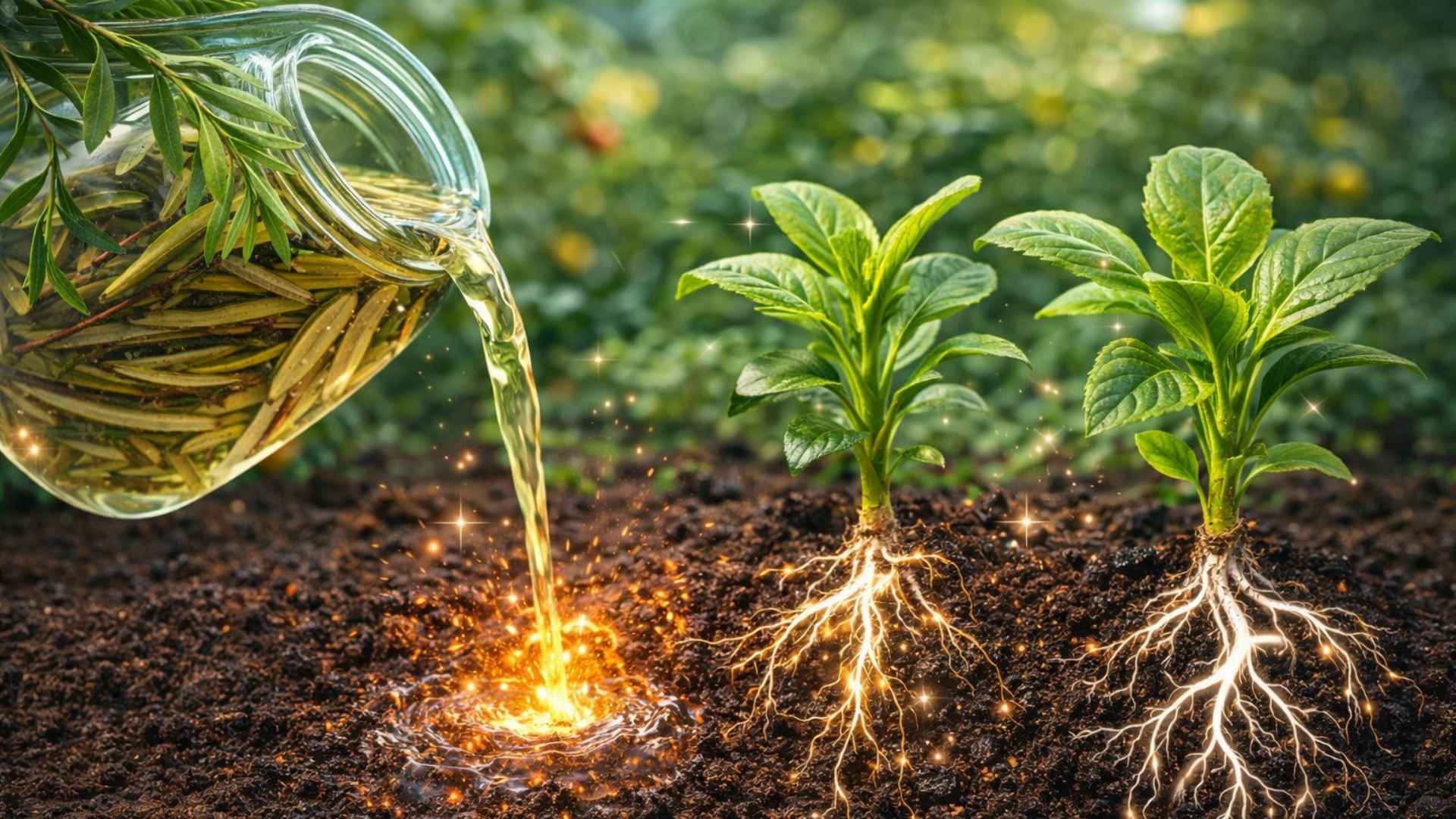
To unlock the secret to lush growth, it’s essential to understand the basic principles of plant hydration. Plants draw water and nutrients through their roots. This water is vital—not just for survival, but for doing photosynthesis, which is how plants create their food.
Soil Types and Water Retention
Different soil types hold water differently. Sandy soils drain quickly but can dry out fast, while clay soils retain moisture longer, which might lead to overwatering. Understanding your soil type can guide you towards a more effective watering schedule.
The Right Time to Water: Morning, Evening, or Midday?
The Morning Advantage
The consensus among seasoned gardeners is that morning, preferably before 10 a.m., is the best time to water your garden. Morning watering allows time for plants to absorb moisture before the heat of the day, minimizing evaporation losses.
The Evening Option
Evening watering can be advantageous, especially during hot summers. However, it comes with a caveat. Watering too late can leave plants susceptible to fungal diseases due to lingering moisture on leaves and stems overnight. Ensure adequate spacing for good air circulation if evening is your preferred time.
Midday Pitfalls
Avoid watering at midday, especially in summer. The sun’s intensity can cause rapid evaporation, and any water droplets could scorch plant leaves as they act like tiny magnifying glasses.
Tailoring Your Watering Schedule
Seasonal Adjustments
In spring and fall, plants require less frequent watering as the cooler temperatures and increased humidity lessen water stress. Conversely, during the sweltering summer months, more frequent watering might be necessary to keep plants thriving.
Adjusting for Plant Types
Different plants have varying water requirements. For instance, cacti and succulents, which store water in their leaves, need less frequent watering compared to annuals like impatiens or vegetables that have higher water demands.
The Finger Test: A Simple Technique
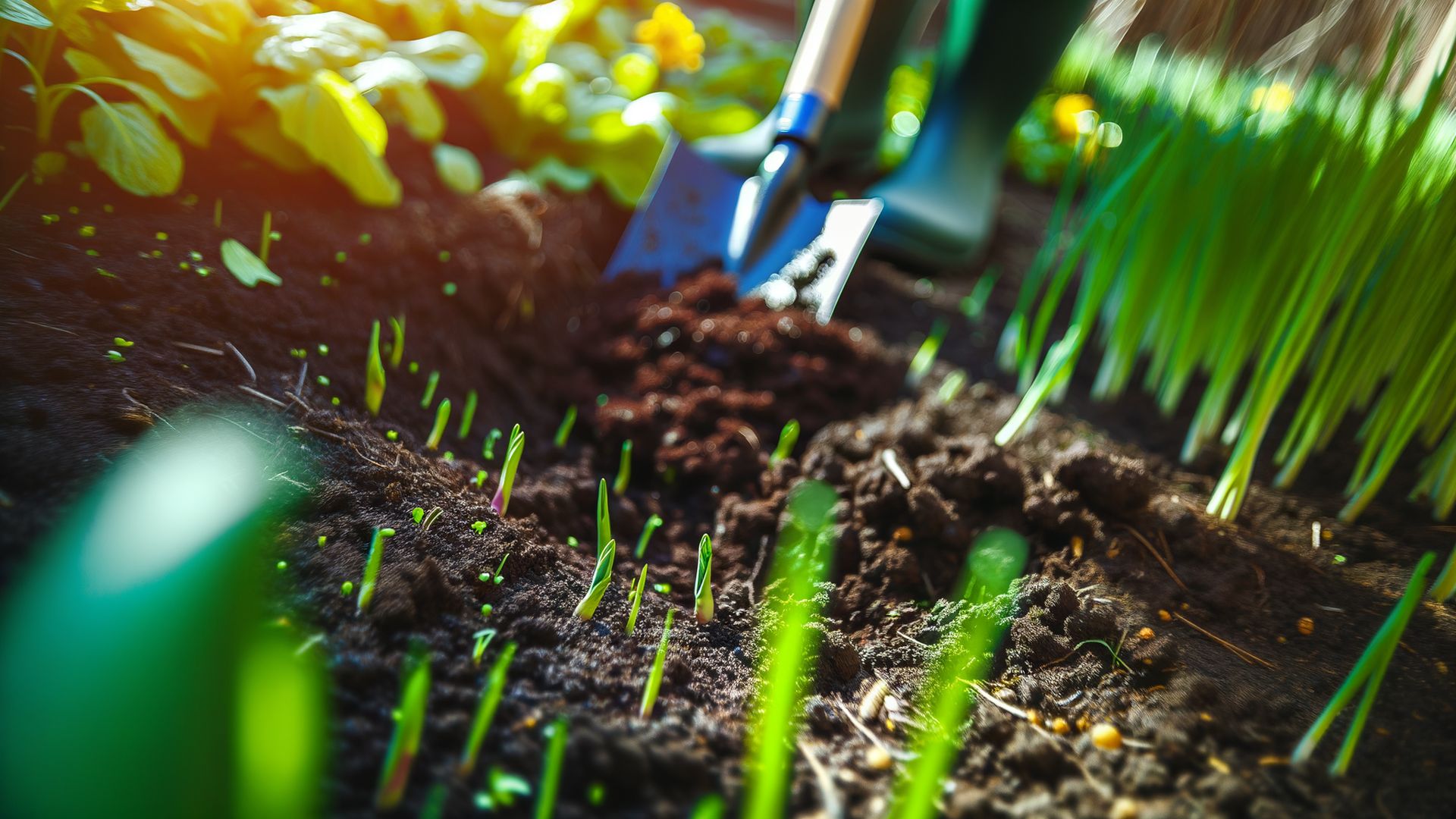
One easy way to determine if your garden needs watering is the finger test. Insert your index finger about an inch into the soil; if it feels dry, it’s time to water. This method is simple yet surprisingly effective.
Tools and Techniques for Effective Watering
From Cans to Hoses: Choosing Your Watering Tools
Watering cans allow for targeted watering, ideal for potted plants. Garden hoses with adjustable spray nozzles offer flexibility, while soaker hoses ensure deep watering by delivering water directly to the soil.
Drip Irrigation Systems
For consistent moisture levels, consider installing a drip irrigation system. These systems are efficient, conserve water, and can be tailored to deliver precise amounts of water to different sections of your garden.
Mulching for Moisture Retention
Applying a layer of organic mulch helps to conserve moisture, suppress weeds, and improve soil health. Mulching can significantly reduce the frequency of watering by retaining soil moisture.
Recognizing Signs of Water Stress
Overwatering vs. Underwatering
Identifying the signs of overwatering and underwatering is crucial for maintaining plant health. Overwatered plants often display yellowing leaves and root rot, while under-watered plants may wilt or develop dry leaf edges.
Monitoring Soil Conditions
Use a moisture meter to accurately gauge soil moisture levels, especially for larger gardens. These devices provide precise readings, helping to prevent over or under-watering.
Observing Plant Behavior
Plants show signs when they need water. Wilting, browning edges, and leaf drop are signs of distress that need addressing promptly to avoid long-term damage.
Embracing Water Conservation Techniques
Rainwater Harvesting
Capture rainwater in barrels or cisterns during rainy seasons to use when conditions are dryer. It’s a sustainable practice that reduces dependency on external water sources.
Xeriscaping for Drier Climates
Designing a garden using xeriscaping principles involves selecting drought-tolerant plants and efficient water use techniques, perfect for regions with limited water resources.
Greywater Systems
Consider recycling greywater from sinks and baths for landscape irrigation. Ensure the system adheres to local regulations and uses non-toxic, plant-friendly products.
FAQs About Garden Watering
How often should I water my garden?
The frequency varies depending on factors like soil type, climate, and plant species. As a general rule, ensure deep watering once a week rather than light watering every day.
Can I use tap water on my plants?
Yes, but be cautious if it’s heavily chlorinated. Set tap water out for 24 hours in an open container to allow chemicals to dissipate before use.
Should I water my garden after rain?
Check soil moisture with the finger test. If rain is light, you may still need to water, but avoid over-saturating the soil.
Is it better to water plants from the top or bottom?
Bottom watering is less likely to lead to fungal issues but might not be practical for all garden setups. Top watering in the morning is effective if done properly.
Can I reuse water from my dehumidifier?
Yes, as long as it hasn’t been contaminated, dehumidifier water is similar to rainwater and can be great for plants.
What signs indicate overwatering?
Signs include yellowing leaves, moldy soil, and root rot. These indicate you need to cut back on water.
Are there plants that need daily watering?
Young seedlings and certain leafy vegetables like lettuce may require daily watering during dry periods due to their shallow root systems.
How does mulch help with watering?
Mulch reduces evaporation, helping soil retain moisture, which decreases the need for frequent watering.
What is the best way to water a vegetable garden?
Deep soak the soil early in the morning with the help of soaker hoses or drip lines for efficient water delivery to the roots.
How can I efficiently water a garden on a slope?
Utilize terracing or contour hedging to slow water runoff, allowing water to penetrate the soil more effectively.
Discussion (0)
No comments yet. Be the first to start the conversation!
Leave a Reply