A Personal Journey into Gardening
As I walked into my garden under the gentle glow of the early spring sun, the earth beneath my feet felt alive in anticipation. The memory of last summer’s abundance warmed my heart—a sari of sunflowers swaying in harmony with the breeze, vines heavy with tomatoes, and herbs stretching toward the sky with vibrant zeal. This garden wasn’t just a patch of earth; it was my sanctuary, a testament to the resilience of nature, and a reminder of my childhood spent in my grandmother's garden. Her hands always seemed to know the secrets whispered by the soil.
It was March, and with the unwritten promise of summer's bounty ahead, the time was ripe to start the cycle anew. This year, I was determined to tuck into the soil the very seeds that would transform into a feast for the senses, and hopefully, for the dinner table. As I prepared my garden for its annual rebirth, I realized I wasn’t just planting for a season. I was planting hopes, dreams, and a tapestry of flavors that would flourish in the approaching months.
Thus began my journey into understanding what must be sown in March to unlock that summer bounty.
The Magic of March Planting
March marks the boundary between the slumber of winter and the awakening of spring. It's a pivotal month where your garden transitions from dormancy to a vibrant hub of growth.
Understanding Your Zone
Before plunging your trowel into the soil, it's crucial to determine your gardening zone. Your geographic location impacts what, when, and how you should plant. In March, some zones might still experience frost, while others bask in warm breezes.
Prepping Your Plot
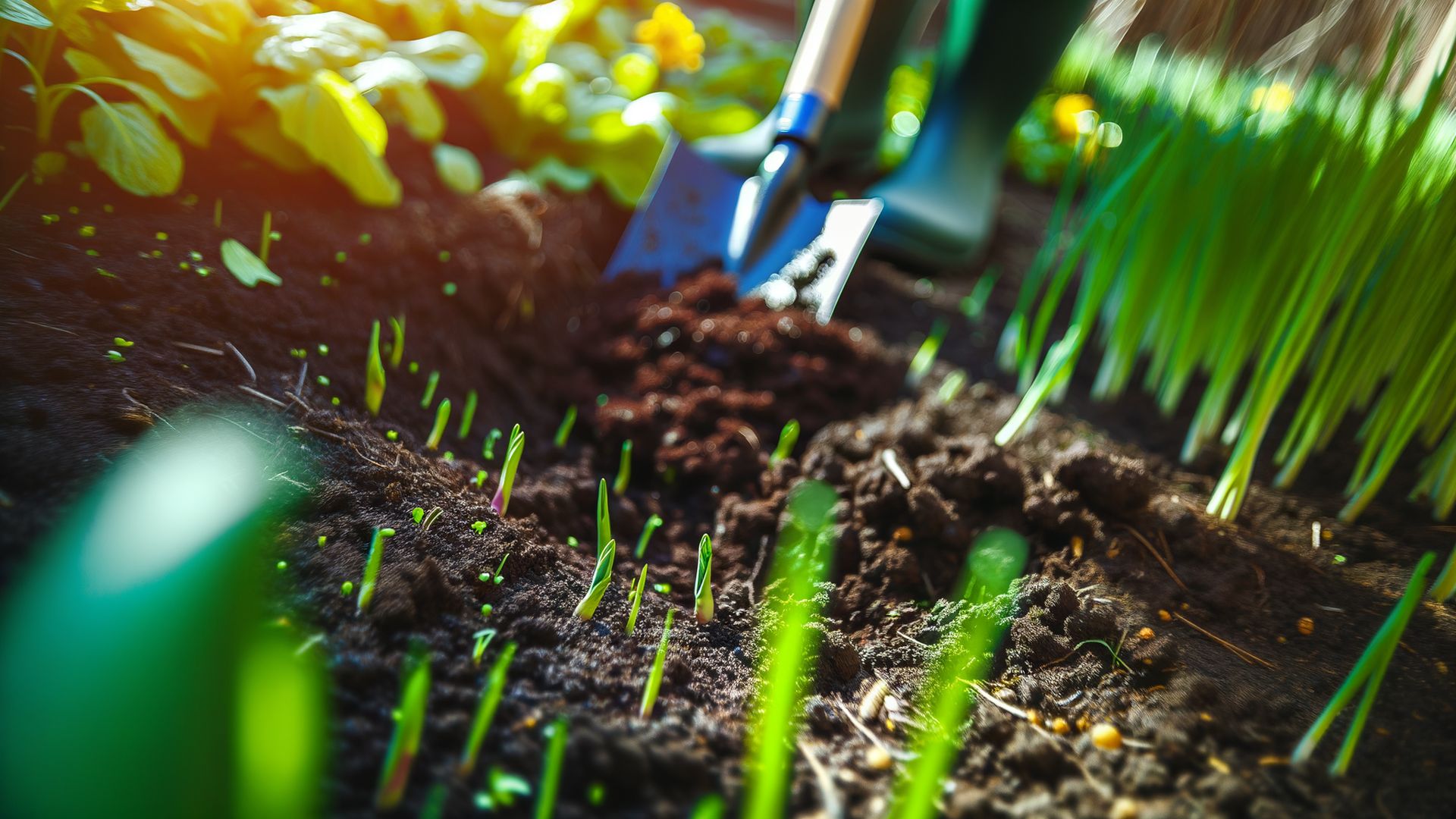
March is the ideal time to prepare your plot, ensuring it’s ready to support new life. Composting, adding organic matter, and ensuring proper drainage will improve soil fertility and structure.
-
Soil Testing: Before planting, a simple soil test will inform you of the pH balance and nutrient levels. Understanding soil health leads to more informed choices about amendments needed.
-
Clearing Debris: Remove old plant material, dead leaves, and weeds. This clears the canvas for new seeds and plants, ensuring they have access to sunlight, water, and nutrients.
-
Tilling and Aeration: Loosen the soil to allow for better root penetration and to increase oxygen flow. An aerated, well-tilled soil is less compacted and more fertile.
Must-Plant Vegetables for a Summer Feast
March is perfect for planting a variety of vegetables that will flourish throughout the summer.
Leafy Greens
Spinach, kale, and lettuce are hardy greens that thrive when sown in early spring. They have short lifecycle tales, allowing for multiple harvests before the extreme heat of summer.
- Spinach: An Iron-rich powerhouse that prospers with cool temperatures.
- Kale: This robust green is incredibly versatile, offering nutrients and numerous culinary applications.
- Lettuce: Perfect for salads, it grows quickly and can be planted in successions for continuous harvesting.
Root Vegetables
Root vegetables thrive in the cooler starting temperatures of March.
- Carrots: Sow them in deep, loose soil. As they develop, thin them to prevent crowding.
- Beets: They provide both delicious roots and edible greens. Plant them directly in the garden.
- Radishes: Quick to harvest, they are ideal for impatient gardeners seeking a fast-growing addition to their meals.
Peas
Sweet and crunchy, peas are a delightful crop. Sow snap peas or sugar peas directly into the ground in March. They love the cool climate and will climb trellises eagerly, filling vertical space beautifully.
Indispensable Flowers for Color and Utility
Beyond vegetables, it’s time to sprinkle some floral magic into your garden. Flowers not only beautify but also attract beneficial insects and pollinators.
Calendula
Known as a companion plant, calendula repels certain pests while attracting pollinators. Its bright flowers are also edible, adding a pop of color to salads.
Sunflowers
Iconic and stately, sunflowers bring height and a happy disposition to any garden. Their seeds nourish local wildlife, and they’re excellent at attracting bees.
Marigolds
These cheerful blossoms deter nematodes and can be interplanted with vegetables to protect them. Their vibrant colors make for a joyful summer display.
Timing Is Everything: Seed Starting Indoors
For some plants, starting indoors in March gives them a head start, ensuring they are strong and healthy when it's time to transplant them outside.
Warm-Weather Crops
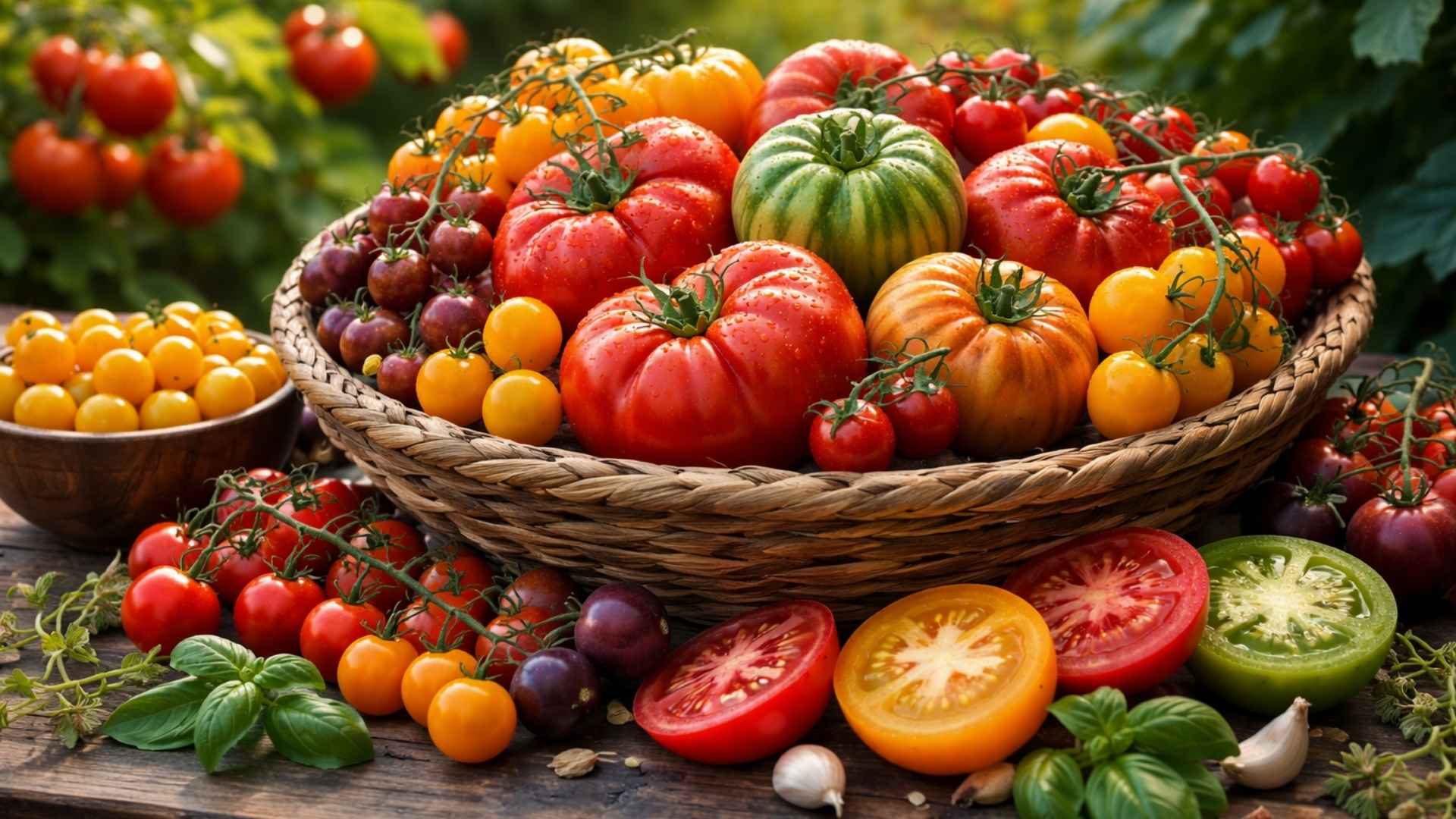
For plants like tomatoes, peppers, and eggplants, starting seeds indoors is crucial. It helps them establish before transitioning outside when the threat of frost has passed.
- Tomatoes: These sun-loving fruits benefit from a few extra weeks indoors where they can safely sprout and grow robust.
- Peppers: Require longer growing periods and will thrive if started indoors.
- Eggplants: Heat-dependent, they benefit immensely from an indoor-start in cooler climates.
Grow Light and Heat Mats
Consider purchasing a grow light and heat mats, which simulate the optimal growing conditions young plants thrive in—mimicking sunshine and cozy soil temperatures.
Essential Herbs to Harvest Throughout Summer
Adding herbs to your garden plan is akin to sprinkling flavorful magic dust on meals.
Basil
A quintessential summer herb, basil flourishes when started indoors in March and transferred to outside beds after the last frost.
Parsley
Known for its refreshing flavor and nutritional benefits, parsley does well in various conditions and continues to provide a harvest long into the season.
Cilantro
Plant cilantro for a fresh addition to salads, salsas, and more. As it bolts in the heat, let some plants go to seed to have fresh coriander later!
FAQs: All Your March Planting Questions Answered
FAQ 1: How can I determine my gardening zone?
You can find your gardening zone by using the USDA Plant Hardiness Zone Map, which factors in average annual temperatures to determine your zone.
FAQ 2: What vegetables are best planted directly in the ground in March?
Spinach, kale, lettuce, carrots, beets, peas, and radishes are ideal for direct sowing in March.
FAQ 3: How do I prevent overcrowding when planting vegetables?
Thin seedlings as they grow to ensure adequate space. Proper spacing promotes healthy growth and prevents competition for resources.
FAQ 4: Why start seeds indoors rather than directly sowing them?
Certain plants, like tomatoes and peppers, require a longer growing season which isn’t always possible with direct sowing, especially in colder climates.
FAQ 5: How often should I water my March plantings?
Water them consistently but ensure the soil drains well to avoid waterlogging. Newly sown seeds need moisture but not saturation.
FAQ 6: Can flowers benefit my vegetable garden?
Yes, flowers like calendula and marigolds attract pollinators and deter pests, enhancing the overall health of your vegetable garden.
FAQ 7: How can I improve my soil’s health?
Incorporate compost, well-rotted manure, and organic matter to improve the structure and fertility of the soil.
FAQ 8: Should I fertilize my March plantings?
Test your soil first, but generally, adding a balanced organic fertilizer at the time of planting can give your seeds a good start.
FAQ 9: How do I deal with pests that appear early in the growing season?
Use companion planting strategies, introduce beneficial insects, and apply natural pest deterrents like neem oil.
FAQ 10: When is the best time to plant herbs in March?
Herbs like basil and parsley can be started indoors in early March and transplanted outdoors once the risk of frost has passed.
The March Planting Journey: A Seasonal Strategy
Planting in March is about embracing the potential of soil and seed. As you tap into this ancestral rhythm, you’re not just planting for visual appeal or sustenance. You’re planting hope, anticipation, and a lush summer tapestry that will flavor and feed your world with its bounty.
Let the memory of last year's successes and the promise of the season's potential inspire your choices. Your garden is not merely a green space—it's a living repository of dreams, nurtured by the sun and seasons, awaiting the loving tendrils of your care.
Discussion (0)
No comments yet. Be the first to start the conversation!
Leave a Reply