A Personal Journey: My Lawn-Free Transformation
The soft morning light filtered through the oak trees, casting dappled patterns on my once-green lawn. I stood there, coffee in hand, contemplating the patchwork of brown and withered grass struggling under the weight of endless southern heat waves. It was the spring of 2024, and after a particularly intense drought, I realized that the traditional lawn—a symbol of suburban success—was becoming a symbol of environmental disdain and personal frustration.
Flash back to a vivid childhood memory: I’m with my grandfather, squatting under a lilac bush in his sprawling garden. The air is sweet with the scent of lilacs, and he's telling me about the ecosystem bustling beneath our feet. "You know, grass like this doesn't do much for the bees," he said, pointing to the manicured lawn. "Imagine what we could grow here instead."
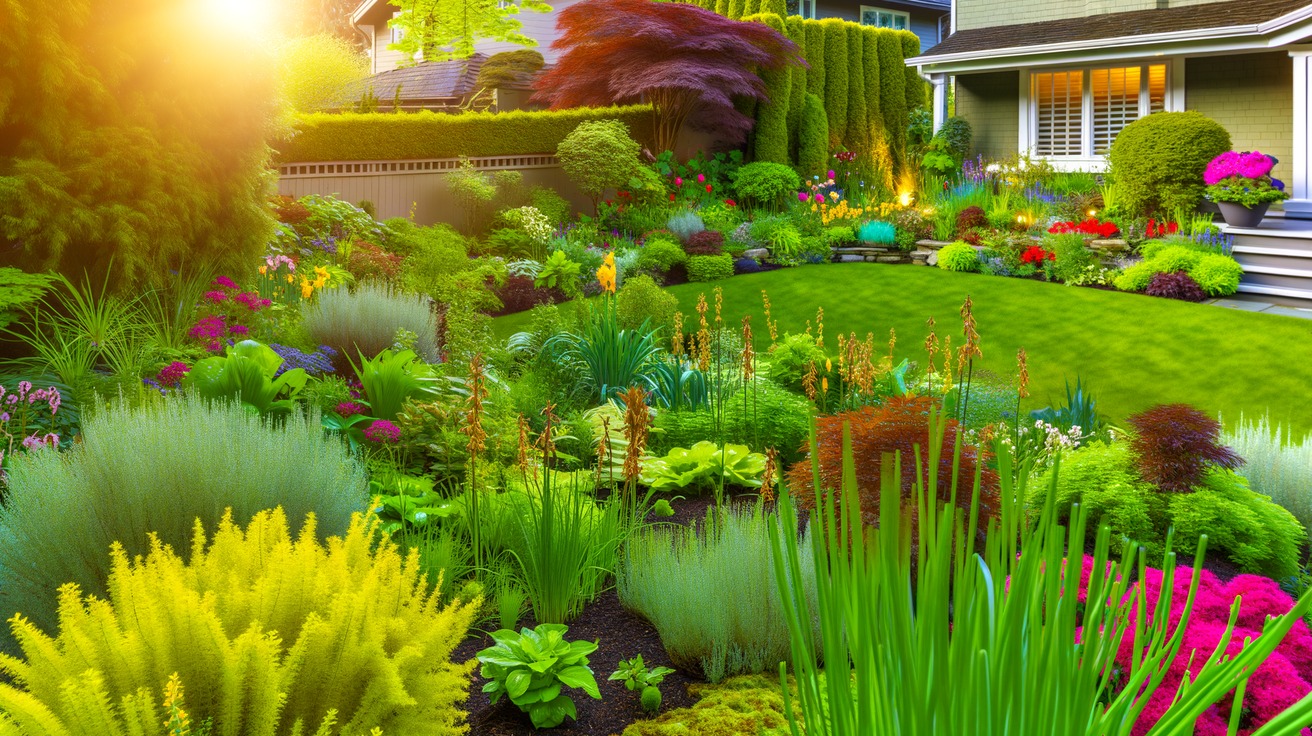
That spring of 2024, I decided it was time for a change. By spring 2026, I had transformed my yard into a vibrant tapestry of native plants, bursting with color and life. It was an emotional journey, redefining tradition and embracing sustainability—a choice that continues to reward me with beauty and biodiversity. Join me on this transformative path and discover why ditching your lawn is one of the smartest moves you'll make.
The Hidden Costs of a Perfect Lawn
Environmental Impact
Our obsession with perfect lawns has led to a significant environmental toll. Lawn maintenance consumes a staggering amount of water—up to 9 billion gallons a day in the United States alone. Additionally, the fertilizers and pesticides used to maintain that lush green expanse run off into waterways, causing harm to aquatic life and contributing to algae blooms.
Financial and Physical Strain
Maintaining a traditional yard can become a financial drain. Lawn care services, water bills, and chemicals add up quickly. Moreover, the time and effort required for mowing, weeding, and watering can be exhausting, leaving little room for enjoyment.
Embrace the Biodiversity: Alternative Yard Options
Native Plant Gardens
Swapping lawns for native plant gardens not only enhances your yard's beauty but also supports local ecosystems. Native plants are adapted to the local climate, requiring less watering and maintenance while providing habitats for local wildlife.
Wildflower Meadows
Replace sterile monocultures with vibrant wildflower meadows. These meadows provide an ever-changing panorama of color and serve as a haven for pollinators like bees and butterflies. They're a truly dynamic, low-maintenance alternative.
Edible Landscapes
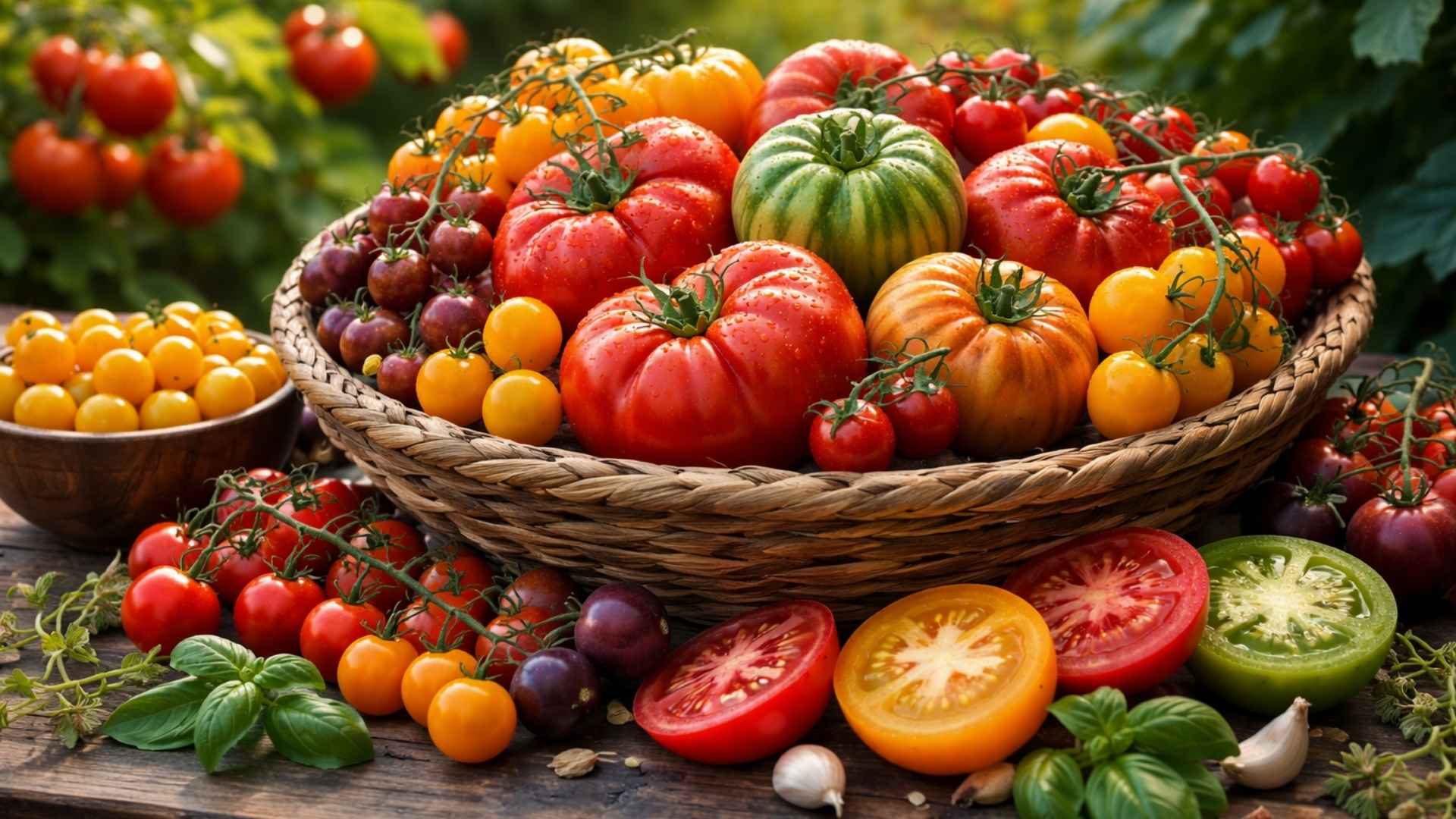
Why not transform your yard into a delicious corner of nature? Incorporate fruit trees, shrubs, and beds of vegetables and herbs. An edible landscape is not just a conversation starter, but also a rewarding and sustainable way to utilize your outdoor space.
How to Transition: A Step-by-Step Guide
Plan Your Space
Start with a vision. Sketch your yard and decide which areas will be converted. Consider plant height, sunlight requirements, and bloom seasons to maintain year-round interest.
Remove Existing Grass
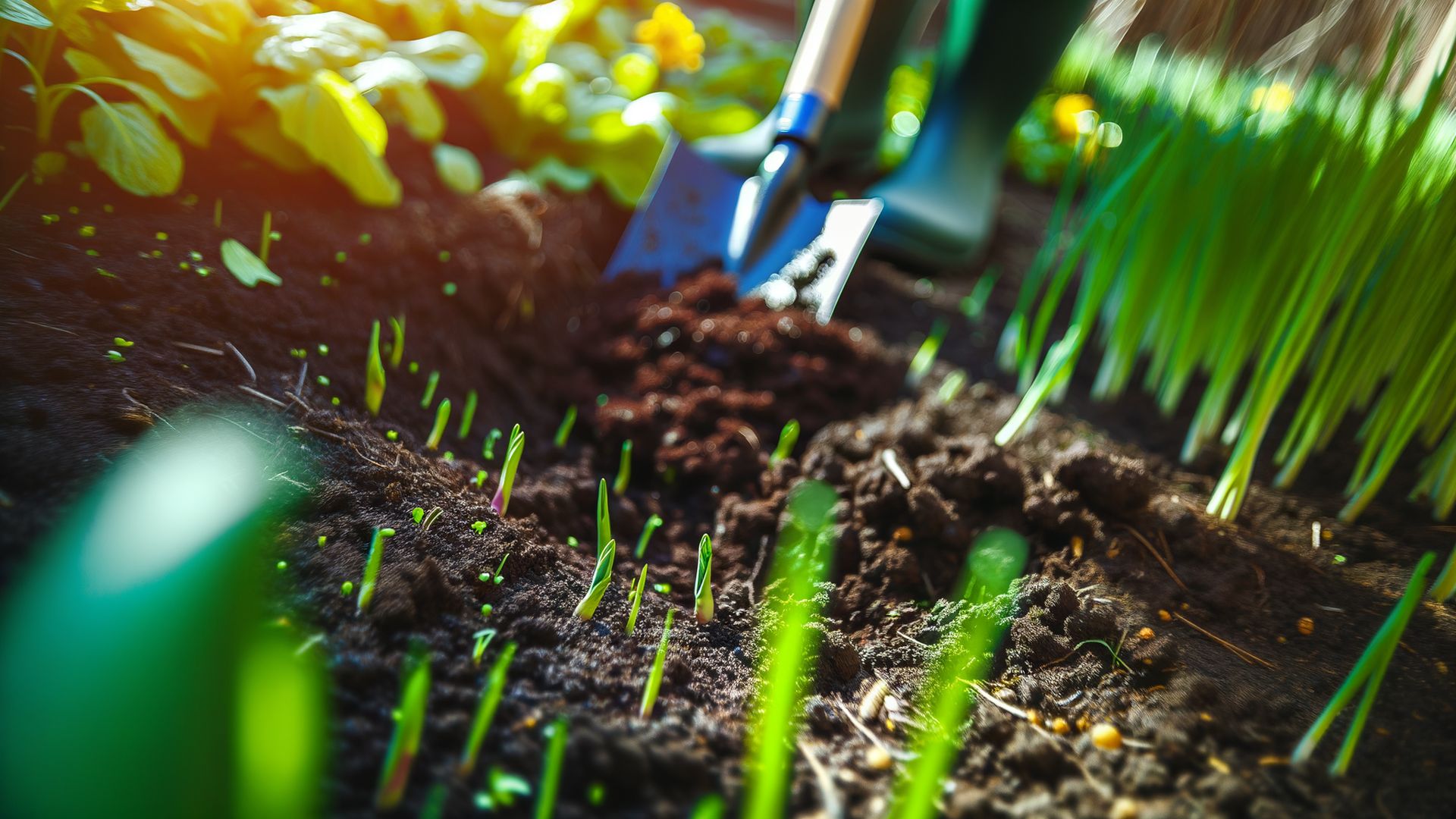
For larger areas, consider renting a sod cutter. Alternatively, use the sheet mulching method: layer cardboard and compost over the grass to naturally decompose and enrich the soil.
Select Your Plants
Choose plants that will thrive in your specific conditions. Research native species and their water needs, and mix perennials with annuals to ensure continuous coverage and flowering.
Prepare the Soil
Healthy soil is the foundation of your new yard. Amend your soil with organic matter or compost, and consider testing your soil to understand its nutrient needs.
Establish Your New Landscape
Plant during cooler weather to reduce the stress on new plants. Mulch generously to retain moisture and suppress weeds. Water new plantings until they're established, then let the rainfall take over.
Embracing Sustainability: The Bigger Picture
Water Conservation
Ditching your lawn leads to significant water savings. It allows your yard to thrive with minimal irrigation, particularly in drought-prone areas, reducing your water bill and aiding in local conservation efforts.
Resilience to Climate Change
Creating a diverse ecosystem in your yard makes it more resilient to climate changes, such as intense rains or prolonged droughts. Your reimagined yard becomes a microhabitat that contributes to the global solution.
Personal Well-being
A yard filled with diverse, vibrant life brings joy and relaxation. Regular interactions with nature are known to reduce stress, lower blood pressure, and improve overall mental health.
FAQs: Everything You Need to Know
1. Why should I remove my lawn?
Removing your lawn reduces water usage, decreases pesticide reliance, and supports local ecosystems, creating a healthier environment.
2. Is it expensive to convert my yard?
While initial costs can vary, investing in native and drought-tolerant plants reduces long-term maintenance costs significantly.
3. What are the best plants for my area?
Research your local extension service or native plant societies for guidance on the best-suited plants for your geographical area.
4. How long does the conversion process take?
Depending on yard size and desired landscape, it could take from a few weeks to a couple of months. Start with manageable sections.
5. What about pests in my new garden?
A diverse garden attracts beneficial insects that naturally control pests. Use organic methods if you encounter any issues.
6. Can I include a lawn section in my new yard?
Absolutely, incorporating small sections of drought-resistant grass alternatives allows for multi-functional spaces.
7. What should I do with my removed lawn grass?
If you used sheet mulching, the grass will decompose. Otherwise, compost it to recycle the nutrients.
8. How can I make my yard look good year-round?
Mix trees, shrubs, and perennials with varying bloom times and evergreen foliage to ensure year-round interest.
9. Will my new yard increase home value?
Yes, eco-friendly landscaping and edible gardens are increasingly desirable, potentially boosting property values.
10. How does this change benefit wildlife?
By replacing lawns with diverse plantings, you provide food and habitat for a variety of wildlife, bolstering local biodiversity.
Discussion (0)
No comments yet. Be the first to start the conversation!
Leave a Reply