
Transform Your Tomato Garden: The Power of One Tablespoon of Baking Soda a Week!
A Love Story in the Garden
Once upon a summer, in a little corner of my backyard, stood a row of hopeful tomato plants. These weren't just any tomato plants; they were seeds of a promise from my grandmother. She had passed on her tiny garden secrets to me, and each plant represented her unwavering love and patience.
But as the days grew warmer, my dreams of lush, juicy tomatoes were nearly squashed by a shadowy presence— blight. The culprit, in its silent assault, threatened to turn my lush green haven into a bleak wasteland. It was then, in a moment of desperation, that I remembered my grandmother's whispered words: "Darling, sometimes the simplest solutions hold the power of miracles." And so, I turned to an old kitchen staple—baking soda.
This is the story of how my garden was transformed with just one tablespoon of baking soda a week. A journey of discovery, resilience, and the humble power of a small white powder.
Understanding the Magic of Baking Soda
The Science Behind Baking Soda
Baking soda, or sodium bicarbonate, is an alkaline compound that increases the pH level of the soil surface. This creates an environment that is less favorable to fungal diseases, like the notorious blight affecting my tomatoes.
A Brief Journey Through Time
Long before chemical fungicides lined store shelves, gardeners relied on natural remedies. Baking soda has a rich history in holistic gardening practices for its mild antifungal and antibacterial properties.
The Benefits of Baking Soda in Your Garden
- Disease Control: Specifically effective against fungal spores like those causing powdery mildew and blight.
- Pest Deterrence: Helps in discouraging pests such as aphids due to its alkalinity.
- Soil Health: Contributes to balancing acidic soils, fostering a more favorable growing environment.
The Weekly Ritual: How to Use Baking Soda
Materials Needed
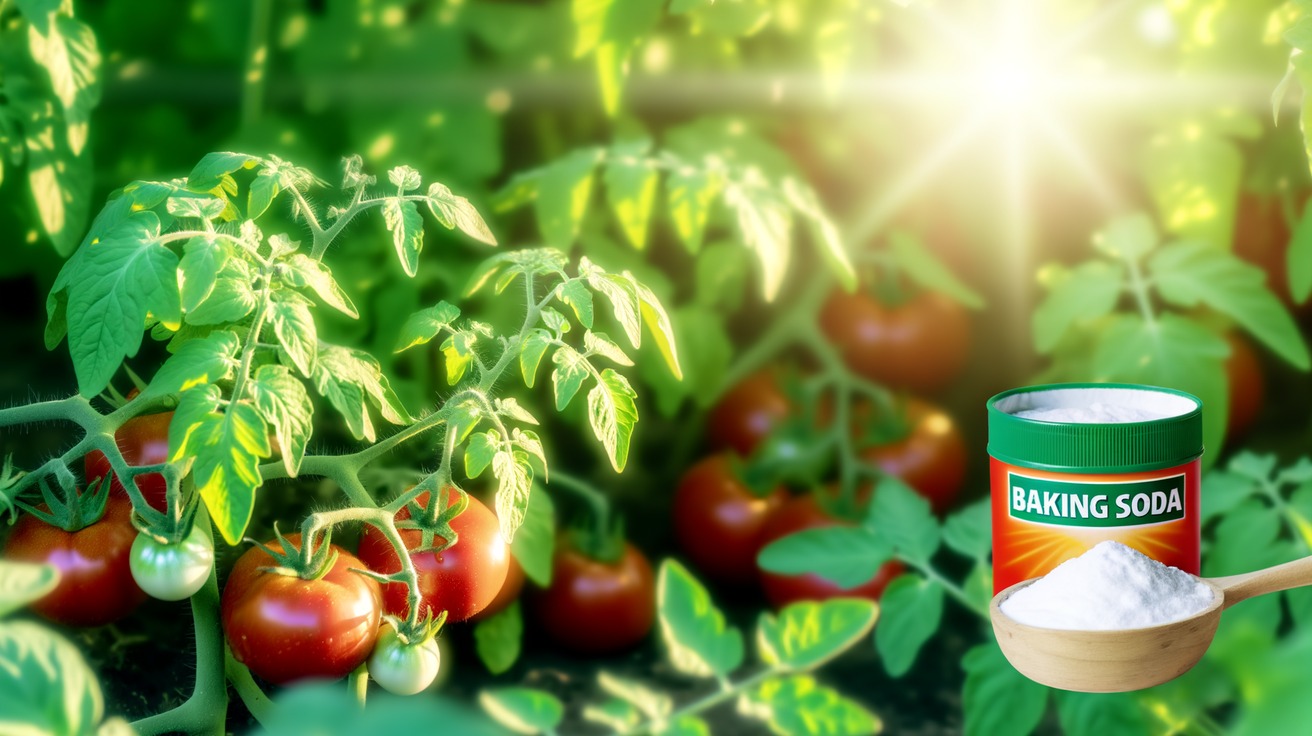
To weave the spell of baking soda's protection over your tomato garden, gather these simple materials:
- Baking Soda - 1 tablespoon
- Water - 1 quart
- Spray Bottle - Clean, for even application
- Dish Soap (Optional) - A few drops can help the solution adhere better to the leaves
The Preparation Steps
- Mix the baking soda in a quart of water until fully dissolved.
- Add a few drops of dish soap to the solution. This acts as a surfactant, helping the droplets stick to the leaves.
- Pour the mixture into a spray bottle, making sure it's clean to avoid contamination.
The Application
- Time It Right: Apply early in the morning or late afternoon to prevent the sun from scorching the sprayed leaves.
- Consistency is Key: Apply once a week, a ritual as relaxing and rewarding as dawn yoga.
- Spray Evenly: Ensure both the tops and undersides of the leaves are covered without drenching the plant.
Remarkable Changes: What to Expect
Before and After: A Visual Transformation
Initially, you might notice a slight chalkiness left by the spray, but soon, the leaves will take on a healthier glow. Over a few weeks, you will find:
- Reduced Incidence of Blight: With regular applications, fungal growth diminishes as the leaves thrive.
- Vibrant Foliage: Greener, more robust leaves signal a happier plant.
- Better Fruit Quality: Healthier plants lead to richer, tastier tomatoes.
Caution and Considerations
Potential Drawbacks
As with any remedy, misapplication or overuse can cause harm. Too much baking soda can potentially cause:
- Leaf Burn: Signs include brown patches or curling leaves.
- Soil Alkalinity Spike: Can impact the root environment unfavorably if overused.
Tips for Success
- Test Soil: Before beginning treatment, consider testing your soil's pH to understand its natural balance.
- Monitor: Keep an eye on your plants for any signs of distress.
FAQs: Baking Soda and Tomato Gardening
FAQ 1: Can I use baking soda on other plants?
Absolutely, baking soda can be used on a variety of plants, especially those prone to fungal diseases. However, always test a small area first.
FAQ 2: How does baking soda prevent blight?
Baking soda raises the pH of the environment, making it inhospitable for fungi, effectively deterring blight.
FAQ 3: Will baking soda harm my beneficial insects?
When used appropriately, baking soda is safe for most beneficial insects.
FAQ 4: How soon will I see results?
Typically, you'll notice improvements in leaf health and reduced disease symptoms within a few weeks.
FAQ 5: Can I use baking soda as a preventive measure?
Yes, even if blight isn't present, regular baking soda applications can serve as a preventive shield.
FAQ 6: Is baking soda effective against all types of tomato blight?
Baking soda is particularly effective against early blight and helping to manage conditions conducive to powdery mildew.
FAQ 7: Should I alter the dosage based on plant size?
Generally, one tablespoon per quart is safe, but larger plants might benefit from proportionally increased mixture amounts while maintaining concentration.
FAQ 8: Is baking soda an organic solution?
Yes, it’s a naturally occurring compound and part of many organic gardening practices.
FAQ 9: Can I combine baking soda with other natural remedies?
Yes, you can complement baking soda with neem oil or compost teas for a more comprehensive garden care approach.
FAQ 10: What should I do if I accidentally apply too much baking soda?
Rinse the leaves gently with water and allow them to dry. Resume standard cautions with future applications.
Discussion (0)
No comments yet. Be the first to start the conversation!
Leave a Reply