Transform Your Seedlings: The Surprising Benefits of Daily Cinnamon!
I remember it like it was yesterday, the day I stumbled upon my cinnamon cure for wilting seedlings. As an avid gardener, nothing has given me more joy than nurturing little seeds into robust plants. However, about a year ago, I found myself increasingly distressed. My seedlings, despite my efforts, were inexplicably succumbing to what seemed like a mysterious ailment that left them pale and wilted.
One afternoon, I was venting these frustrations to my grandmother—an extraordinary gardener in her own right—hoping for a collection of old-world wisdom. Her advice was straightforward yet unexpected: "Try cinnamon, dear," she said with a warmth that promised healing. With a touch of disbelief and a sprinkle of hope, I dusted cinnamon over my seedlings. To my amazement, I watched over the next few weeks as they not only survived but thrived, their green leaves unfurling with newfound vigor. This natural remedy became a cornerstone of my gardening practice. Little did I know, cinnamon was packed with surprises beyond its aromatic spice.
The Science Behind Cinnamon's Benefits
Antifungal Properties
One of the most significant advantages of using cinnamon in your garden is its antifungal properties. Cinnamon contains cinnamaldehyde, a powerful compound that effectively combats fungal infections. It is a natural alternative to chemical fungicides, keeping your seedlings free from the dreaded damping-off disease—a common fungal infection that rots seedlings at the base.
Antibacterial Powers
Beyond mold and fungi, cinnamon is also a potent antibacterial agent. This means it can guard your young plants against harmful bacteria lurking in the soil, reducing the likelihood of infections that can interfere with your garden's ecology.
Natural Rooting Hormone
Cinnamon is not just about defense; it also aids in growth! Acting as a natural rooting hormone, it helps young plants develop robust root systems. When you're transplanting seedlings, a little cinnamon on the stems can encourage roots to grow efficiently and securely.
Pest Deterrent
As a bonus, the aromatic spice is unpleasant to many garden pests. This natural deterrent can help keep ants and other unwanted visitors away from your precious seedlings, making it a great, non-toxic alternative to harsh chemical repellents.
How to Use Cinnamon in the Garden
Start from the Seed
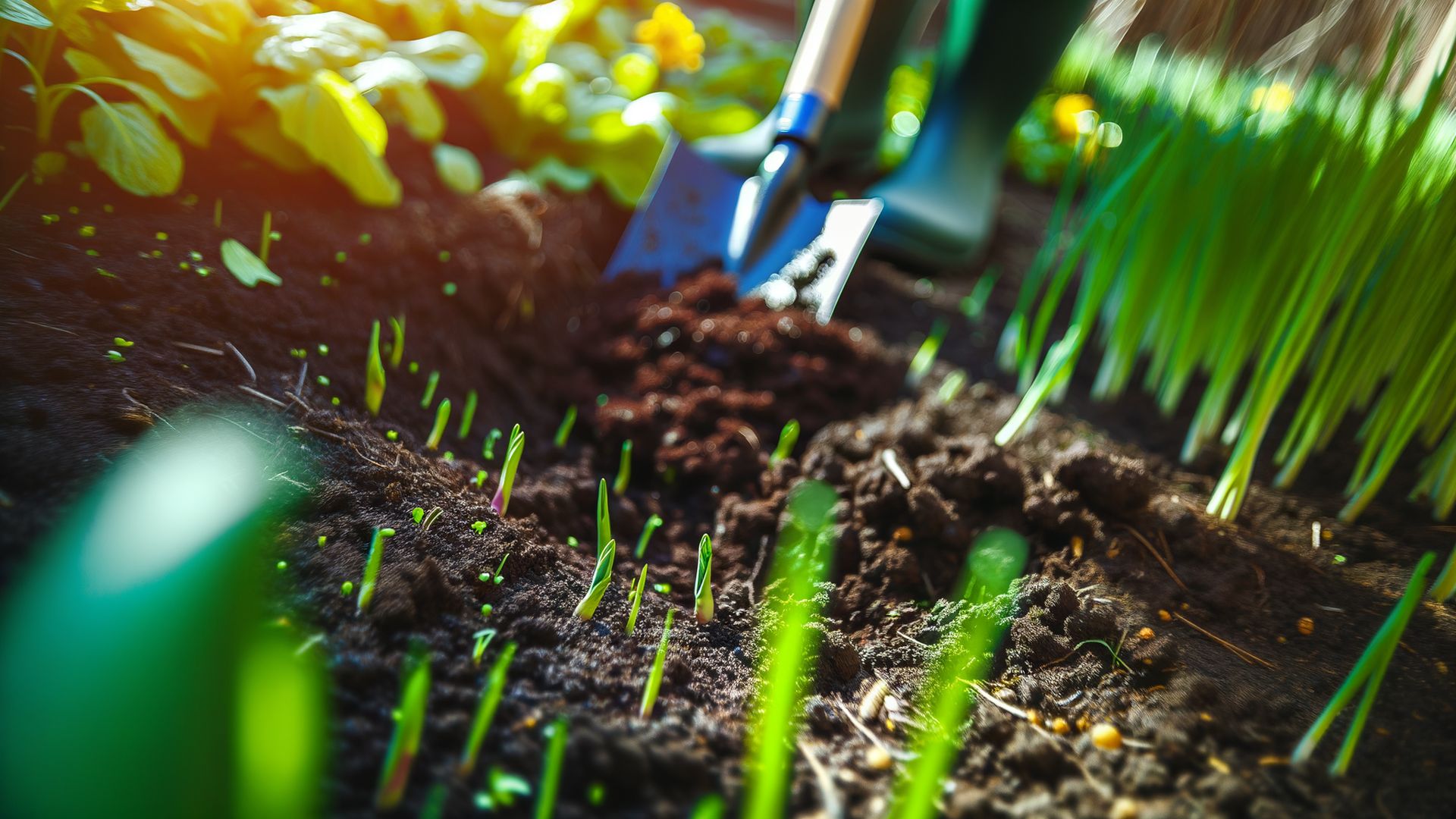
To reap cinnamon's full benefits, begin by applying it to your seeds. Dust a small amount over the seeds before planting them in soil or starting trays. This preventative measure can protect against early fungal threats and encourage root growth from the get-go.
Combating Damping Off
If your seedlings are already in the soil and showing signs of damping-off disease, it’s not too late. Sprinkle finely ground cinnamon around the base of each seedling and slightly mix it into the top layer of soil. Regular re-application, particularly after watering or rain, will help keep fungal threats at bay.
Enhancing Root Growth
For cuttings or seeds that need encouragement, dab the cut end in a small pile of cinnamon powder before planting. This encourages the cutting to develop strong roots more quickly, increasing its chances of successful growth.
Repel Pests Naturally
To guard against pests, sprinkle cinnamon around the perimeter of your garden beds or directly around your plants. The spice creates a barrier that deters common garden ants and other pests that can harm your seedlings.
Cinnamon and Beyond: Companion Gardening Techniques
Teaming with Coffee Grounds
Another surprising kitchen staple, coffee grounds, can work wonders when combined with cinnamon. Coffee grounds improve soil structure and increase its acidity, benefiting acid-loving plants. The combination of cinnamon and coffee grounds can create a rich, healthy growing medium.
The Eggshell Boost
Eggshells, rich in calcium, can also be used alongside cinnamon to prevent blossom-end rot—a common issue in tomatoes and peppers. Crushed eggshells mixed in the soil or scattered around your garden can bolster nutrient levels, while cinnamon provides protection against pests and fungi.
Incorporating Mulch
While mulch already provides advantages like moisture retention and temperature regulation, cinnamon can amplify its benefits. Adding cinnamon to your mulch mix not only deters pests but also keeps fungal infections at bay, providing a holistic protection strategy for your seedlings.
FAQ: Cinnamon in the Garden
What kind of cinnamon should I use for gardening?
Ground cinnamon from any grocery store will work for gardening purposes. There's no need for organic or expensive varieties unless you're mixing it with food.
Can I use cinnamon to help all types of plants?
Yes, cinnamon benefits most types of plants, especially seedlings. Consider specific plant requirements before applying liberally.
How often should I apply cinnamon to my seedlings?
Apply cinnamon once a week to effectively prevent fungi and pests. Reapply after heavy watering or rain.
Can cinnamon harm plants?
Though rare, too much cinnamon might inhibit growth or root development if overused. A light dusting is sufficient.
Will cinnamon attract bugs instead of repelling them?
No, cinnamon is a natural deterrent for many pests. Its aroma is generally unappealing to common garden insects.
Can cinnamon be mixed with water for application?
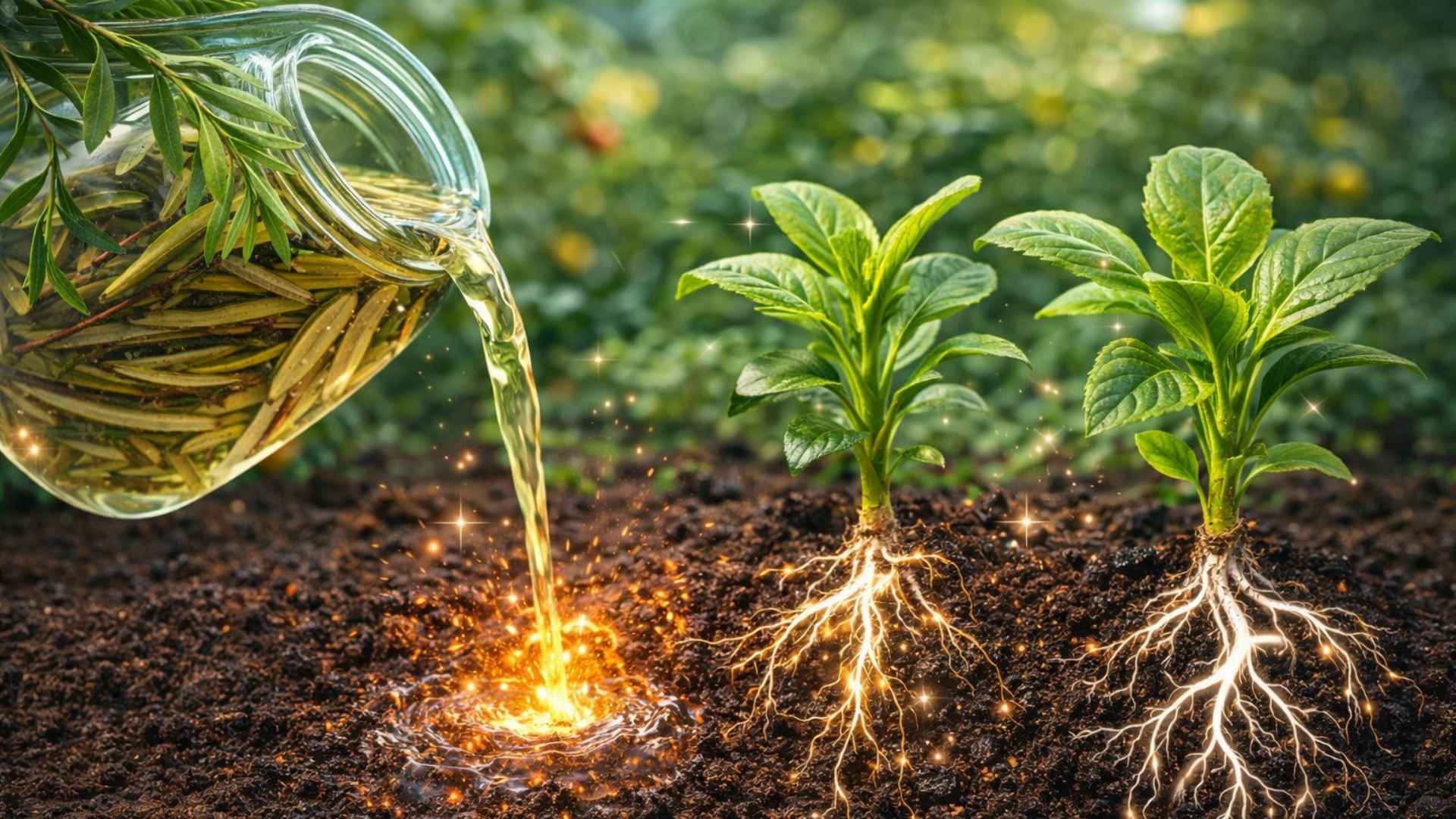
Yes, you can make a cinnamon tea by steeping cinnamon in water and spraying it on plants. This method is beneficial for larger areas.
Is it safe to use cinnamon in food gardens?
Absolutely! Cinnamon is non-toxic and safe for use around edible plants.
What is the best way to apply cinnamon to prevent fungal infection?
Dusting it lightly over the soil surface and gently mixing it into the top layer is highly effective.
Does cinnamon help with pest management in houseplants?
Yes, cinnamon can protect houseplants from fungal infections and pests, working just as well indoors as outdoors.
Are there any plants that should not have cinnamon applied?
Sensitive plants, like succulents, might have adverse reactions to too much cinnamon. Use sparingly or avoid if unsure.
Discussion (0)
No comments yet. Be the first to start the conversation!
Leave a Reply