
A Personal Journey with Roses and Coffee Grounds
Gardening has always been more than a hobby for me; it is a sanctuary, a place where I find both solace and excitement. For years, I prided myself on my stunning roses—they were the crown jewels of my garden, their velvety petals a testament to hours of loving care. However, an unexpected adversary one season threatened their splendor: a particularly stubborn pest invasion and nutrient depletion had left them looking woefully ragged.
Determined to restore my beloved roses to their former glory, I turned to countless gardening books and forums. One day, while sipping my morning coffee, an idea brewed. Could coffee grounds revive my roses? Skeptical but hopeful, I embarked on a 6-week experiment using coffee grounds as a natural fertilizer. What unfolded was a journey that transformed not only my roses but my approach to gardening.
Why Coffee Grounds?
The Science Behind Coffee Grounds
Many of us cherish coffee for the rich aroma and invigorating caffeine kick, but few realize the potential hidden in the spent grounds. Coffee grounds are rich in nitrogen, an essential nutrient for plant growth, and contain small amounts of phosphorous and potassium, making them a suitable candidate for soil enrichment.
Besides nutrients, coffee grounds improve soil structure: they enhance water retention, promote aeration, and support beneficial microorganisms. This organic matter can contribute to a more vibrant and resilient garden ecosystem.
Pre-Experiment Concerns
Initially, I was apprehensive. Rumors abound about coffee grounds making soil too acidic, potentially harming plants. However, research reassured me that while fresh coffee grounds are quite acidic, their pH neutralizes significantly after brewing. Excited and armed with knowledge, I was ready to test the theory.
The 6-Week Experiment
Week 1: Setting the Stage
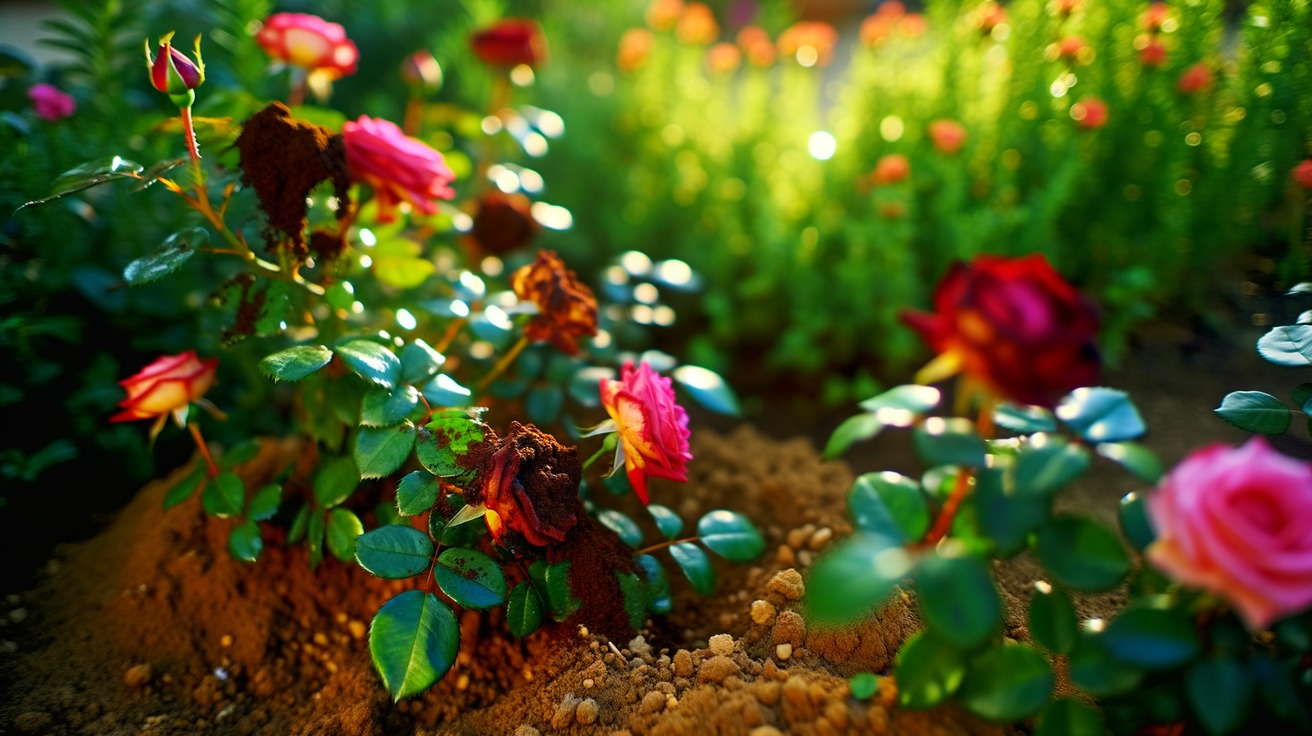
The first week was all about preparation. I began by collecting coffee grounds from my kitchen, as well as accepting contributions from friends (and local cafés proved to be an unexpected source of abundance!). I layered about half an inch of coffee grounds around the base of each rose bush, ensuring not to pile them too high against the stems, which could lead to rot.
Week 2: Monitoring the Impact
As the second week commenced, I maintained a daily ritual of observing subtle changes. The initial indicators showed promise. The coffee grounds seemed to retain moisture in the soil, reducing my watering frequency. Encouraging worms and critters to visit the garden, they burrowed in and helped distribute nutrients, bringing life back to the soil.
Week 3: Embracing the Changes
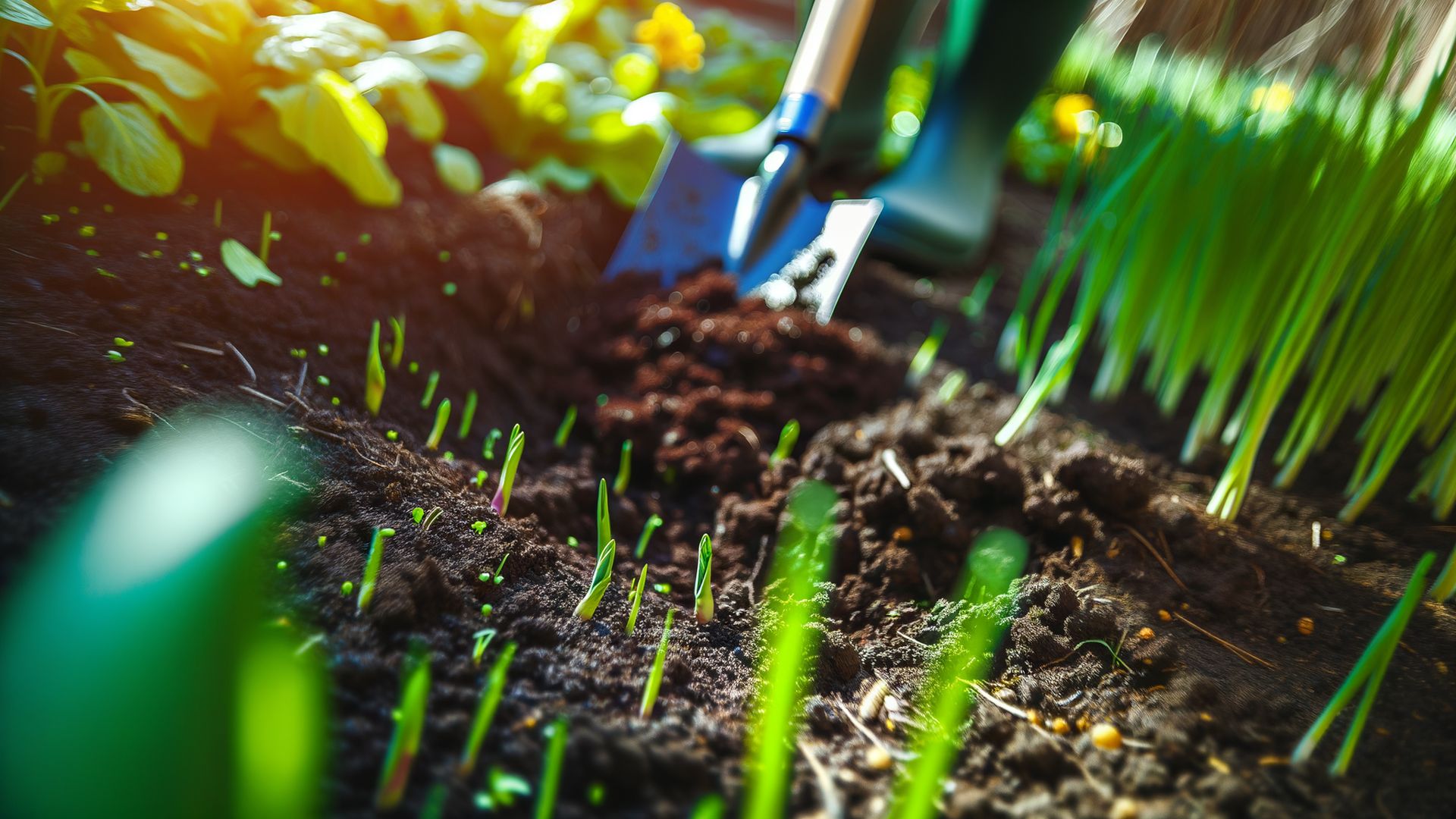
The third week brought the first visible rejuvenation signs. New shoots emerged, their vivid green contrasting beautifully with the calm earth tones. My heart soared each morning as I stepped into the garden, cradling my coffee cup and seeing nature slowly unwrap its wonders.
Week 4: Troubleshooting
My previous anxiety about acidity resurfaced. While most plants seemed unperturbed, a couple of roses developed pale leaves. A quick fix with a soil pH test confirmed it was simply a mild nitrogen overload. Adjusting the amount of coffee grounds solved this, showing me the importance of balance.
Week 5: Thriving and Blooming
By the fifth week, my roses stood tall and proud, their fragrance communing with the garden air. The blooms were healthier and more abundant than ever, drawing compliments from neighbors who had followed my journey with interest.
Week 6: A Full Circle
By the end of six weeks, the transformation was undeniable. Not only did my roses thrive with bigger, glossier blooms, but the soil also seemed healthier, teeming with life and structure. The coffee grounds—once a skeptical experiment—proved a garden ally. My roses had taught me the value inherent in everyday items.
FAQs About Coffee Grounds and Gardening
How often should I apply coffee grounds to roses?
For optimal results, apply coffee grounds every two to three weeks. Remember not to use more than half an inch per application to avoid overwhelming the soil.
Can I use coffee grounds on other plants?
Yes, coffee grounds can benefit various plants such as veggies and fruits that thrive in slightly acidic soil but use sparingly.
Do coffee grounds repel pests?
Coffee grounds can deter certain pests like slugs and snails due to their texture and caffeine content.
What should I avoid when using coffee grounds?
Avoid dumping grounds directly above plant stems and always mix them into the soil. Overuse can lead to nitrogen imbalance.
Are there any plants that dislike coffee grounds?
Avoid using coffee grounds on highly alkaline soil lovers like lavender and certain succulents.
Should I compost coffee grounds first?
Composting is not mandatory, but it aids in breaking down the material, making nutrients more readily available.
How can I test my soil's pH level?
Home testing kits are available at gardening stores. These kits measure acidity or alkalinity, which guides proper coffee ground usage.
Can old coffee grounds still be used?
Yes, as long as they have not molded. Store them in a dry place until use.
Does brewing method impact coffee ground usefulness?
Not significantly. Both espresso and drip machine grounds function well in gardens.
Can coffee grounds impact garden wildlife?
Yes, positively! Coffee grounds attract worms and microflora, contributing to a balanced ecosystem.
Discussion (0)
No comments yet. Be the first to start the conversation!
Leave a Reply