Transform Your Garden This Spring: Discover the Magic of Rewilding!
As winter's frosty cloak melted into a luscious green tapestry, I found myself gazing at my once-tamed garden. It no longer whispered the secrets of wildflowers or sang the songs of the wind—a curated collection of potted plants and neatly trimmed hedges had replaced nature's untamed beauty. It was then, with the gentle prodding of a dear friend, that I embarked on a journey of rewilding. This expedition wasn’t just about my little oasis; it was about nurturing the soul, rekindling passion, and rediscovering the untouched magic spread by nature’s own hand.
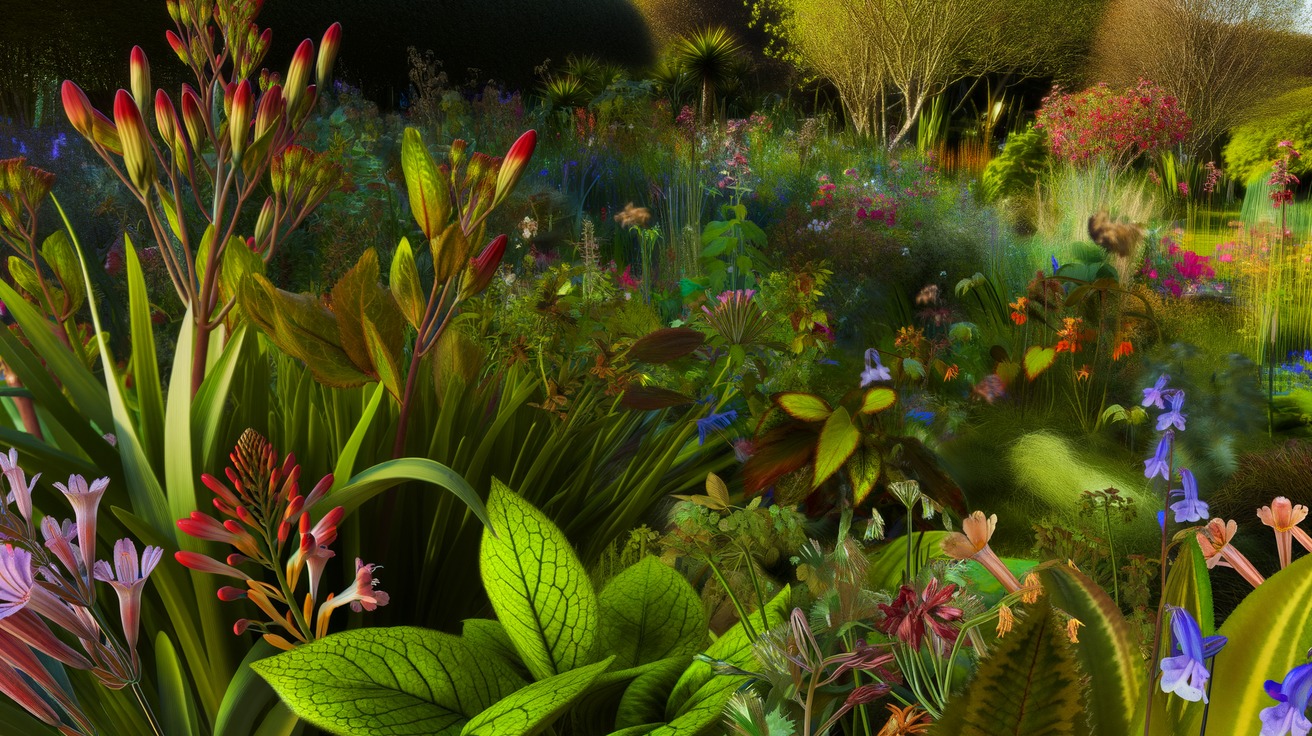
The transformation wasn’t immediate; the seasons wove their magic slowly, tenderly. Yet gradually, the garden I once knew began to pulsate with wild life. Bees buzzed in joyous dances, rare butterflies flitted curiously, and the symphony of frogs croaked harmoniously with the rustle of leaves. And as I allowed nature to weave its magic, I realized that rewilding a garden is a metaphor for life—a path of unexpected beauty, teeming with tales of discovery and wonder.
Now, let’s take you on this enchanting path toward rewilding your garden this spring.
Understanding Rewilding
Before plunging into action, it is crucial to understand what rewilding actually involves. At its core, rewilding encourages us to let ecosystems restore themselves naturally. It's about relinquishing control, allowing native plants and animals to reclaim their territory, and establishing a sustainable balance in our backyards.
The Principles of Rewilding
- Using Native Plants: Introduce species that have evolved to thrive in your local climate.
- Encouraging Biodiversity: Cultivate a diverse range of plants to support a variety of wildlife.
- Natural Succession: Be patient; let the ecosystem evolve naturally over time.
By embracing these principles, rewilding can transform your garden into a thriving ecosystem that is more self-sustaining and resilient.
Getting Started with Rewilding
Getting started with rewilding might feel overwhelming, especially if you've spent years maintaining a perfectly manicured garden. But fear not, as the rewards are profoundly enriching.
Surveying Your Current Garden
Observation is your first tool. Spend time in your garden, notice what grows naturally, watch the wildlife, and understand the current state of your soil, light, and water resources. This baseline will guide your rewilding progress.
Planning the Transition
Every garden is unique. Here's how you can tailor your rewilding plan:
- Determine areas where you can introduce wild plants.
- Identify existing plants and assess which ones are beneficial.
- Sketch out potential layouts for a rewilded ecosystem that aligns with the natural landscape.
Plant Selection and Implementation
Choosing your plants wisely is critical as they form the backbone of your rewilded garden ecosystem.
Embracing Native Flora
Select native plants instead of ornamental species. Look for varieties that are known to thrive without excessive human intervention.
- Speak to local gardening centers about local plant species.
- Join online forums or gardening groups to gather wisdom from local experts.
Creating Diverse Habitats
Diversity is crucial. Include plants that cater to different pollinators, provide seeds, and create shelter.
- Include layers of vegetation: ground cover, shrubs, and trees.
- Create a range of habitats, such as meadows, hedgerows, or ponds.
Promoting Wildlife Presence
Wildlife is a testament to a flourishing ecosystem. Here’s how to welcome nature’s critters:
Attracting Beneficial Insects
To a gardener, insects are often seen as pests. But beneficial insects are critical to a rewilded garden.
- Plant nectar-rich flowers.
- Install insect hotels to offer habitat for pollinators.
Inviting Birds and Mammals
Birds and mammals add vibrancy to a garden's soul. Support their visits by:
- Building nesting boxes and bee houses.
- Ensuring a fresh water supply, such as a birdbath or pond.
Building Soil Health
Good soil is the foundation of any garden. As you rewild, focus on enriching your soil naturally.
Natural Mulching and Composting
Create a thriving environment by:
- Using organic mulch to retain soil moisture.
- Creating compost piles from plant waste to enhance nutrient recycling.
Minimizing Chemical Intervention
Rewilding is deeply connected to reducing chemical use. Say goodbye to harmful pesticides and fertilizers and embrace natural alternatives like:
- Employing companion planting to deter pests.
- Utilizing natural fertilizers like compost and green manure.
Managing Expectations
As you journey into rewilding, managing your expectations is paramount. The process is beautifully unpredictable and requires patience.
Tangible and Intangible Rewards
Be prepared for a patchwork of gradual changes:
- Notice the return of native animals who find haven in your space.
- Enjoy improved mental wellbeing, thanks to your connection with nature.
Embracing Slow Progress
Understand that rewilding is not an overnight transformation; appreciate each stage as nature takes its course.
Overcoming Common Challenges
Despite its rewards, rewilding can present some challenges. Here’s how to tackle them:
Controlling Invasive Species
Invasive species threaten rewilding efforts. Combat these plants by:
- Regularly checking the garden for invasive growths and removing them swiftly.
- Consulting local experts to identify and manage problem species.
Balancing Mow and Grow
Certain wild plants might require some level of control:
- Implement selective thinning to prevent excessive dominance of aggressive vegetation.
- Maintain pathways and borders to keep the garden accessible.
Conclusion
Rewilding offers a unique opportunity to reconnect with nature, transforming gardens into refuges for biodiversity. As you embark on this journey, you’ll not only beautify your surroundings but nurture your soul, foster ecological understanding, and help conserve our planet. Step back, let nature compose its poetry, and witness the magic-of-a-garden unfurl beneath a wild sun.
FAQs
1. What is garden rewilding?
Garden rewilding is a process of restoring native plant and animal species to your garden to create a balanced and self-sustaining ecosystem.
2. How long does rewilding take?
Rewilding is an ongoing, long-term process. Significant changes might take a few seasons, while the full rewards may span several years.
3. Why should I use native plants in rewilding?
Native plants are adapted to the local climate, require less maintenance, support local wildlife, and are more resistant to pests and diseases.
4. How can I attract butterflies and bees to my rewilded garden?
Focus on planting nectar-rich flowers and install insect hotels to provide habitat and food sources for these important pollinators.
5. Do I need to avoid using all pesticides and fertilizers?
Rewilding encourages minimizing chemical use. Shift toward organic gardening practices like composting and companion planting.
6. What if my garden has invasive species?
Regularly monitor the garden and promptly remove invasive species. Consider seeking advice from local experts for effective management.
7. Can I incorporate a pond into my rewilded garden?
Absolutely! A pond provides a critical habitat for amphibians and attracts various wildlife. Just ensure it is safe for all.
8. How do I maintain control in a rewilded garden?
Though you relinquish some control, manage the balance through selective thinning, path maintenance, and monitoring invasive species.
9. Will a rewilded garden require less work than a traditional garden?
Initial setup can be intensive, but maintenance generally decreases as the garden's ecological balance improves.
10. Can rewilding improve mental wellbeing?
Yes, numerous studies affirm that spending time in nature can reduce stress, improve mood, and elevate overall wellbeing.
Discussion (0)
No comments yet. Be the first to start the conversation!
Leave a Reply