If you’re a gardener who’s constantly on the lookout for ways to enhance your garden naturally and cost-effectively, you’re in for a treat. There’s a free fertilizer that consistently outperforms many commercial options, and its benefits extend beyond mere nutrition. This fertilizer is none other than compost—an organic powerhouse that transforms kitchen scraps and yard waste into a rich, nutrient-dense material. Not only does compost improve soil structure, but it also boosts microbial activity, retains moisture, and supports robust plant growth. Let’s delve into how you can harness this garden gold.
The Magic of Compost
Compost is essentially decomposed organic matter. It's created through a natural process where microorganisms break down plant and food waste into a rich, crumbly soil amendment. This process not only reduces waste but also results in a product that is incredibly beneficial to your garden.
The Science Behind Compost
At its core, composting is about fostering a balance of carbon and nitrogen, often referred to as the "browns" and "greens". Browns include materials like dried leaves, straw, and wood chips, which are rich in carbon. Greens, such as vegetable scraps, coffee grounds, and grass clippings, provide nitrogen. This balance fuels the decomposition process, where microbes break down the material, generating heat and eventually producing compost.
Benefits for the Soil
The advantages of compost are multifaceted. Nutrient-rich compost improves soil fertility by adding essential nutrients like nitrogen, phosphorus, and potassium. Its organic matter enhances soil structure, promoting better root penetration and water retention. Compost also encourages a healthy microbial ecosystem, which aids in nutrient cycling and disease suppression.
How to Make Your Own Compost
Creating compost at home is a straightforward process, and with a little patience, you can convert waste into garden treasure.
Setting Up Your Compost Bin
Select a location for your compost bin that is convenient yet not intrusive. You can use a simple pile, a homemade bin, or a commercial composter. Ensure your chosen spot has good drainage and is accessible for turning the compost.
What to Compost
Acceptable materials for composting include fruit and vegetable scraps, eggshells, coffee grounds, tea bags, and yard waste like grass clippings and leaves. Avoid composting meat, dairy, oils, and diseased plants as they can attract pests and cause imbalances.
Maintaining Your Compost
To maintain a healthy compost pile, aim for a mix of roughly three parts browns to one part greens. Turn your compost every few weeks to aerate it, which speeds up decomposition. Keep it moist but not soggy, similar to a wrung-out sponge.
Using Compost in the Garden
Once your compost is ready, usually after several months, it will have a dark, earthy appearance. Here's how to use it effectively:
Soil Amendment
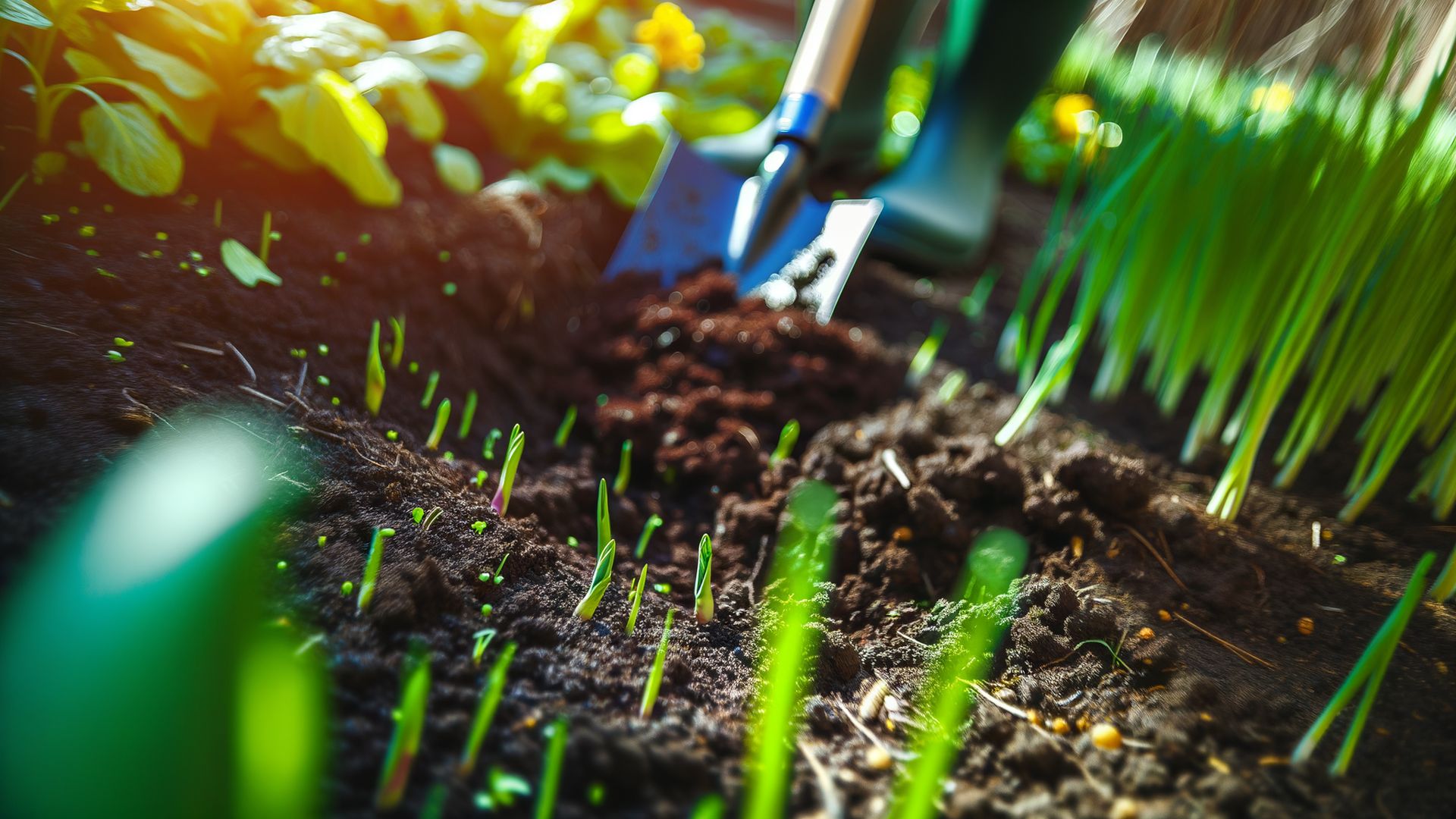
Mix compost into your garden beds before planting. This enriches the soil with nutrients and improves its structure. A layer of compost applied to the top of the soil surface can also serve as a mulch, helping to suppress weeds and retain moisture.
Compost Tea
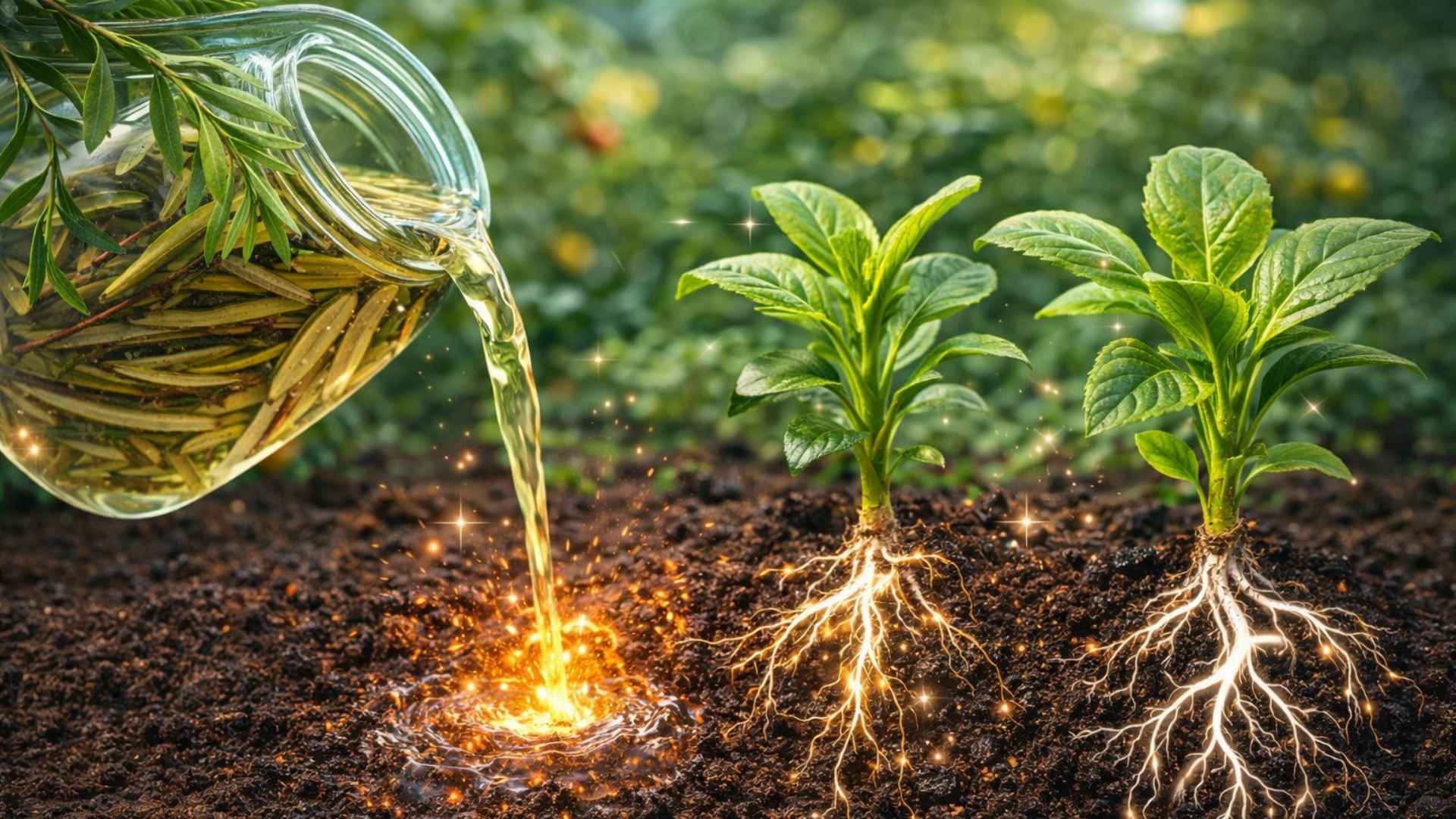
Create a nutrient-rich liquid fertilizer by steeping compost in water. Use this compost tea to water your plants, giving them a quick nutrient boost.
Top Dressing
Apply compost around the base of existing plants as a top dressing. This provides a slow-release nutrient source and enhances soil health.
The Environmental Impact
Composting is not just beneficial for your garden; it’s a practice with significant environmental advantages. By composting, you reduce the amount of waste sent to landfills. This, in turn, lowers methane emissions, a potent greenhouse gas. Composting also cycles nutrients back into the soil, promoting sustainable gardening practices.
Common Composting Challenges
Odor Issues
Properly managed compost should have a pleasant, earthy smell. If your compost pile smells bad, it might be too wet or contain inappropriate materials like meat or dairy. Adjust the balance by adding more browns and turning the pile to improve aeration.
Pest Problems
To deter pests, make sure your compost pile is covered and avoid adding animal products. If necessary, use a closed bin or tumbler to create a barrier against unwanted visitors.
Slow Decomposition
If your compost is decomposing slowly, it may lack nitrogen, moisture, or adequate aeration. Evaluate your mix and adjust as needed, ensuring you turn the pile regularly.
Embracing Composting as a Lifestyle
Composting is more than a gardening technique; it’s a commitment to sustainability and environmental stewardship. By integrating composting into your routine, you contribute to a healthier planet and more productive garden.
Frequently Asked Questions
1. How long does it take for compost to form?
Compost can take anywhere from two months to two years to mature, depending on factors like material mix, moisture, and turning frequency.
2. Can I compost during the winter?
Yes, composting can continue in winter. While decomposition slows down, insulating your pile with straw or leaves can maintain activity.
3. Is it necessary to turn the compost pile?
Turning aerates the pile, speeding up decomposition. While not mandatory, it helps produce compost more quickly.
4. Can I compost weeds?
Avoid composting weeds that have gone to seed or invasive species, as they might survive the composting process.
5. What should I do if my compost is too wet?
Add more carbon-rich materials like dry leaves or straw and turn the pile to improve aeration.
6. Can I use compost for indoor plants?
Absolutely! Mix compost with potting soil to enhance nutrient content for indoor plants.
7. Does compost attract rodents?
Compost can attract rodents if it contains food scraps like meat or dairy. Stick to plant-based materials and consider a closed bin for protection.
8. How can I speed up the composting process?
Chop materials into smaller pieces, maintain a balanced mix of greens and browns, and ensure regular turning and moisture control.
9. What’s the difference between compost and fertilizer?
Compost improves soil structure and nutrient content gradually, while fertilizers provide an immediate nutrient boost.
10. Can I use compost on all types of plants?
Most plants benefit from compost, but be cautious with acid-loving plants like blueberries by using compost made from neutral or slightly acidic materials.
Discussion (0)
No comments yet. Be the first to start the conversation!
Leave a Reply