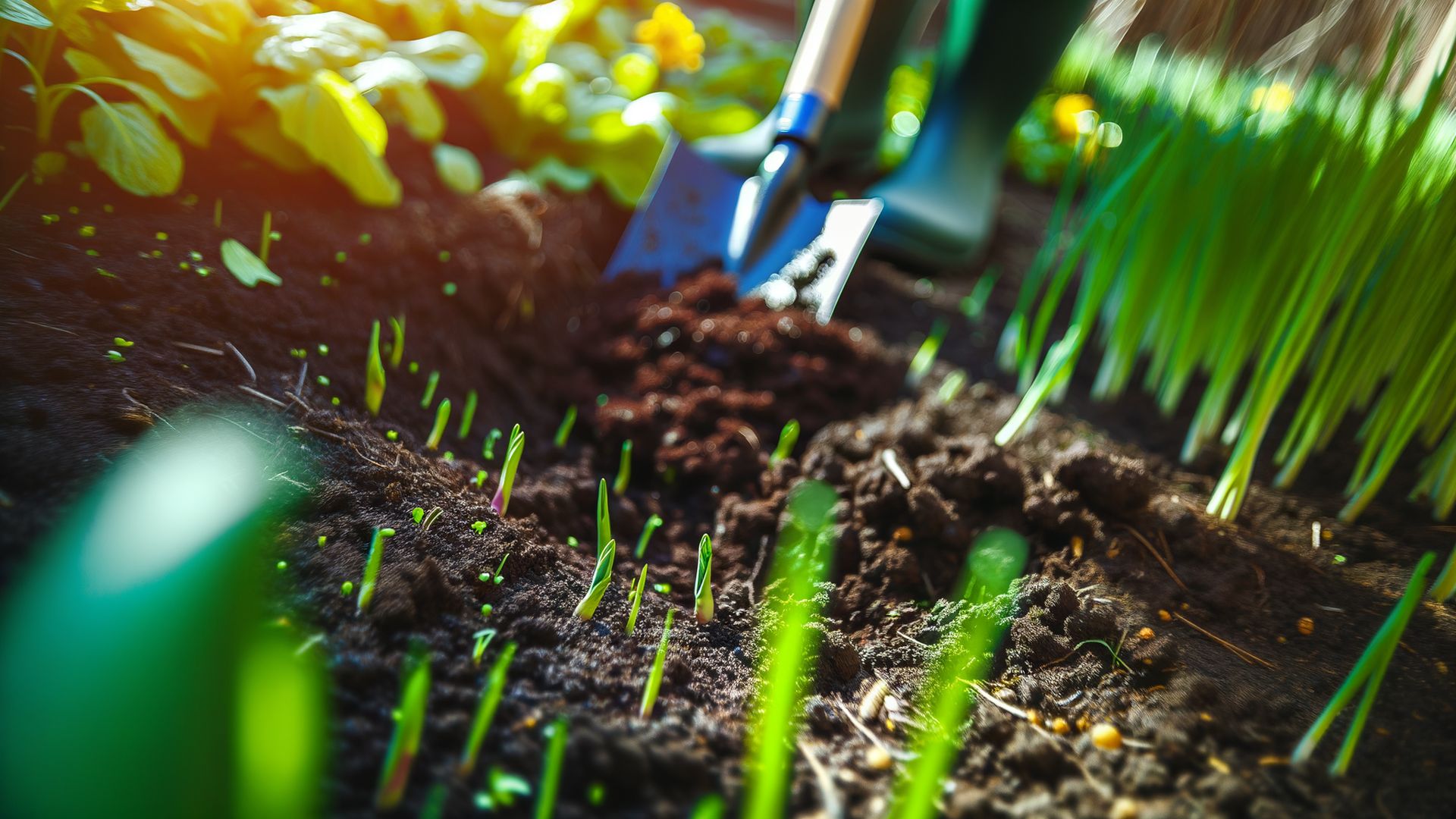



Cucumbers are a beloved summer vegetable, celebrated for their refreshing crunch and versatility in both salads and pickles. Yet, many gardeners find themselves frustrated when their cucumber plants fail to thrive. While several factors can contribute to poor cucumber performance, a critical yet overlooked error often lies in plant spacing—a mistake that takes root before you even plant.
Understanding the Importance of Proper Spacing
Before you grab your garden tools and seeds, it's vital to appreciate why spacing is more than just a technical detail. Proper spacing isn't merely about aesthetics or fitting as many plants as possible into a given area; it's about giving each plant room to grow, breathe, and thrive.
The Role of Air Circulation
Air circulation is crucial for cucumber plants. When plants are too close together, airflow is restricted, creating a damp environment that is a breeding ground for diseases like powdery mildew and downy mildew. Good airflow helps leaves dry quickly after rain or watering, reducing the risk of fungal infections.
Nutrient Competition
Cucumbers are heavy feeders. When planted too closely, they compete for nutrients, which can lead to stunted growth and poor fruit production. Each plant needs enough soil resources to develop robust roots and foliage.
Sunlight Access
Adequate sunlight is another critical factor. Crowded plants may shade each other, hindering photosynthesis. This can result in leggy plants with weak stems and fewer fruits, as cucumbers need full sun—at least six to eight hours a day—to produce optimally.
How to Properly Space Your Cucumber Plants
Knowing the importance of spacing is one thing; applying it practically in your garden is another. Here's a step-by-step guide to ensuring your cucumbers are spaced for success.
Determining the Right Spacing
The ideal spacing for cucumber plants largely depends on the variety you are growing. Bush varieties require less space than vining varieties. Typically, bush cucumbers need about 2-3 feet between plants, while vining cucumbers need about 4-6 feet, especially if they are not grown vertically.
Vertical Growing Solutions
One effective way to manage space, especially in smaller gardens, is to grow cucumbers vertically using trellises. This method not only saves ground space but also improves air circulation and sunlight exposure. When using a trellis, you can plant vining cucumbers as close as 1 foot apart in a row.
Preparing the Planting Area
Before planting, ensure your soil is well-prepared. Cucumbers prefer loose, well-drained soil rich in organic matter. Consider adding compost or well-rotted manure to enrich the soil and improve its structure. Ensure the pH is between 6.0 and 7.0 for optimal growth.
Common Spacing Mistakes and How to Avoid Them
Despite the best intentions, gardeners often make spacing errors. Recognizing these mistakes can help you avoid them in your garden.
Planting Too Early
Eager gardeners sometimes plant cucumbers too early, not accounting for the space mature plants will need. Always consider the mature size of the plant and plan accordingly.
Misjudging Trellis Needs
If you plan to grow cucumbers vertically, ensure your trellis is sturdy and tall enough to support the plants. Inadequate structures can collapse, causing overcrowding and damage to the plants.
Ignoring Companion Planting Rules
While companion planting can be beneficial, some plants can interfere with cucumber growth if placed too closely. For example, avoid planting cucumbers near aromatic herbs like sage, which can stunt their growth.
Caring for Well-Spaced Cucumber Plants
Once your cucumber plants are well-spaced and growing, ongoing care is essential to ensure they remain healthy and productive.
Watering Wisely
Cucumbers need consistent moisture, especially during flowering and fruiting. Water deeply and regularly, aiming for about an inch of water per week. Water at the base of the plant to keep leaves dry and reduce disease risk.
Fertilization
Cucumbers benefit from regular feeding. Use a balanced, all-purpose fertilizer every few weeks, or opt for a side dressing of compost to keep nutrient levels high.
Monitoring for Pests and Diseases
Even with proper spacing, cucumbers can fall victim to pests like cucumber beetles or aphids. Regularly inspect plants and employ organic pest control methods, such as neem oil or insecticidal soap, when necessary.
FAQs
-
How far apart should cucumber plants be spaced?
- Bush varieties should be spaced 2-3 feet apart, while vining types need 4-6 feet, unless grown vertically.
-
Can cucumbers be planted next to tomatoes?
- Yes, cucumbers can be planted next to tomatoes as they have similar growing conditions, but ensure adequate space for both.
-
What happens if cucumbers are planted too closely?
- Overcrowding can lead to poor air circulation, increased disease risk, and competition for nutrients, resulting in poor growth.
-
How can I tell if my cucumbers are too crowded?
- Signs include yellowing leaves, stunted growth, and increased incidence of diseases like powdery mildew.
-
Is vertical growing better for cucumbers?
- Vertical growing can save space, improve air circulation, and make harvesting easier, making it a preferred method for many gardeners.
-
Do cucumbers need full sun?
- Yes, cucumbers require full sun, at least six to eight hours a day, for optimal growth and fruit production.
-
Can I plant cucumbers in a container?
- Yes, cucumbers can be grown in containers, but ensure the container is large enough and supports a trellis for vining varieties.
-
What soil conditions do cucumbers prefer?
- Cucumbers thrive in well-drained, loamy soil rich in organic matter, with a pH between 6.0 and 7.0.
-
How often should I water my cucumber plants?
- Cucumbers need about an inch of water per week, with more during hot, dry spells, focusing on watering at the base of the plants.
-
What are the signs of nutrient deficiency in cucumbers?
- Common signs include yellowing leaves, poor fruit set, and stunted growth, indicating the need for fertilization or soil amendment.
Discussion (0)
No comments yet. Be the first to start the conversation!
Leave a Reply