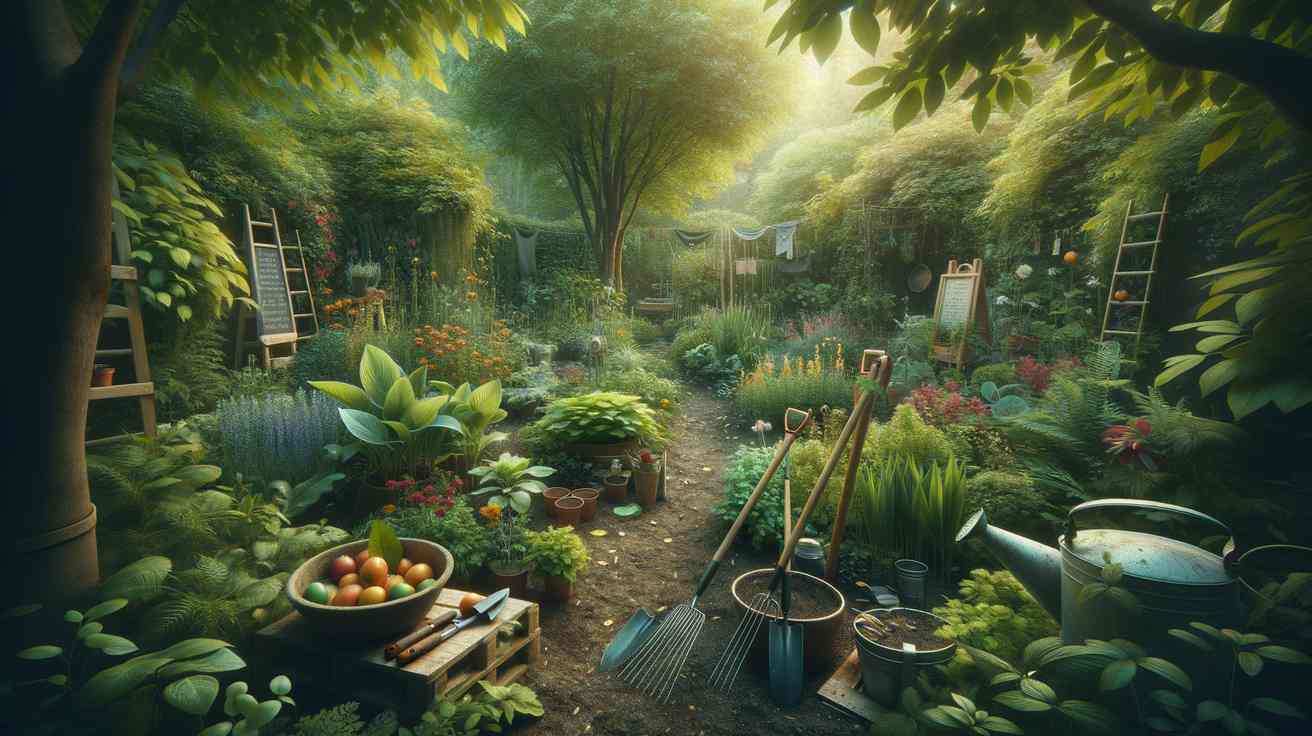
The allure of a garden that not only nurtures your soul but also pays for itself is gaining momentum as we head into 2026. With the resurgence of homesteading and self-reliance, the Preserver's Garden is rapidly becoming the trend to watch. This contemporary gardening approach marries the art of growing with the science of preserving, ensuring that your investment in seeds and soil is returned many times over. In this guide, you'll learn how to create a Preserver’s Garden that turns your backyard into a bountiful and self-sustaining pantry.
Understanding the Preserver's Garden
What is a Preserver's Garden?
A Preserver's Garden is more than just a plot of land with vegetables and herbs. It is a thoughtfully curated space designed to maximize yield for preservation purposes, ensuring that the bounty of summer can be enjoyed all year long. This type of garden focuses on plant varieties that are ideal for canning, freezing, drying, and fermenting, allowing gardeners to store nutritious, home-grown produce for months.
Why is it Gaining Popularity?
The Preserver's Garden is gaining traction for several reasons:
-
Economic Efficiency: Growing your own food is an investment that pays dividends. By preserving what you grow, you reduce waste and grocery bills.
-
Sustainability: As global awareness about sustainable living increases, more people are turning to gardening as a way to reduce their carbon footprint.
-
Self-Sufficiency: The ability to rely on your own garden for food security is empowering, especially in uncertain times.
-
Health Benefits: Home-grown produce is fresher and more nutritious, free from pesticides and other chemicals.
Designing Your Preserver’s Garden
Planning Your Space
Start with a plan. Consider the size of your garden and how much time you can realistically dedicate to it. A smaller, well-maintained garden can be more productive than a larger, neglected one. Sketch out your space, keeping in mind the sunlight patterns, soil quality, and water sources.
Choosing the Right Plants
Select plants based on their suitability for preservation. Here are some top choices:
- Tomatoes: Ideal for canning, sauces, and drying.
- Cucumbers: Perfect for pickling.
- Peppers: Great for freezing and drying.
- Beans: Suitable for canning and freezing.
- Herbs: Basil, thyme, and oregano are excellent for drying.
- Root Vegetables: Carrots, beets, and potatoes store well and can be canned or stored in a root cellar.
Companion Planting
Utilize companion planting techniques to maximize space and yield. For instance, plant basil with tomatoes to improve growth and flavor, while deterring pests. Marigolds can be interspersed to naturally reduce nematode populations and attract beneficial insects.
Cultivation Techniques
Soil Preparation
Healthy soil is the cornerstone of a productive garden. Test your soil to understand its nutrient composition. Amend it with organic matter like compost or well-rotted manure to enhance fertility. Consider using raised beds to improve drainage and soil warmth.
Watering and Irrigation
Consistent watering is crucial, especially in the growing season. Install a drip irrigation system for efficient water use, reducing evaporation and ensuring that plants receive an even supply of moisture.
Pest and Disease Management
Adopt an integrated pest management approach. Use natural predators, like ladybugs, to control aphid populations. Introduce neem oil or insecticidal soap for organic pest control. Rotate crops annually to prevent soil-borne diseases.
Harvesting and Preservation
Timing Your Harvest
Harvesting at the right time is key to preserving flavor and nutrition. Pick tomatoes when they are fully red but firm, cucumbers when they're bright green, and beans when they snap easily.
Preservation Methods
- Canning: Use a water bath or pressure canner to preserve high-acid foods like tomatoes and pickles.
- Freezing: Blanch vegetables like beans and peppers before freezing to maintain texture and color.
- Drying: Use a dehydrator or oven to dry herbs and fruits, preserving their flavors and extending their shelf life.
- Fermenting: Turn cabbage into sauerkraut or cucumbers into traditional pickles using fermentation.
Storage Solutions
Proper storage is essential to ensure your preserved goods last. Store canned items in a cool, dark place to prevent spoilage. Keep dried herbs in airtight containers to maintain potency. Label everything with dates to keep track of freshness.
Maintaining Your Garden Year-Round
Seasonal Tasks
Stay proactive with seasonal tasks to keep your garden productive:
- Spring: Plan and plant your main crops.
- Summer: Regularly harvest and start preserving.
- Fall: Plant cover crops to enrich the soil and clean up garden debris.
- Winter: Review your successes and plan for the next growing season.
Soil Health Maintenance
Between growing seasons, focus on soil health. Add mulch to prevent erosion and suppress weeds. Rotate crops to maintain soil nutrients and reduce pests.
Extending the Growing Season
Consider cold frames or hoop houses to extend the growing season. These structures can protect plants from frost, allowing you to harvest fresh produce well into the colder months.
Economic Impact and Cost Savings
Calculating Cost Savings
Track your expenses and savings to see how your Preserver’s Garden pays for itself. Calculate the cost of seeds, soil amendments, and water against the market value of your preserved produce.
Creating a Budget
Set a realistic budget for your garden, including initial setup costs and ongoing maintenance. Over time, your investment will be offset by the reduced need to purchase fresh and preserved produce.
Community and Sharing
Joining a Gardening Community
Engage with local gardening communities or online forums to share tips and experiences. Joining a community garden can also provide access to shared resources and advice.
Sharing Your Bounty
Consider sharing your preserved goods with neighbors and friends. This not only fosters community spirit but can also lead to bartering opportunities for other home-grown items you may not produce.
FAQs
-
What are the best vegetables for a Preserver's Garden? Tomatoes, cucumbers, beans, and peppers are excellent choices due to their versatility in preservation.
-
How much space do I need to start a Preserver’s Garden? You can start with as little space as a few raised beds or grow in containers if space is limited.
-
What is the most cost-effective preservation method? Canning is often the most cost-effective method, especially for high-yield crops like tomatoes.
-
Can I grow a Preserver’s Garden indoors? Yes, with the use of grow lights and containers, you can grow many herbs and vegetables indoors.
-
How do I prevent pests in my garden without chemicals? Use companion planting, introduce beneficial insects, and rotate crops regularly to manage pests naturally.
-
What tools do I need to start preserving my harvest? Basic canning equipment, a dehydrator, and airtight containers are essential for preservation.
-
How can I ensure the safety of my canned goods? Follow proper canning guidelines and techniques to prevent contamination and spoilage.
-
What are some beginner-friendly plants for preservation? Start with herbs, tomatoes, and cucumbers, as they are forgiving for new gardeners.
-
Is it possible to make money from a Preserver's Garden? Yes, you can sell surplus produce or preserved goods at local markets or to neighbors.
-
How do I keep my garden productive during winter? Use cold frames, hoop houses, or grow winter-hardy crops like kale and spinach.
Discussion (0)
No comments yet. Be the first to start the conversation!
Leave a Reply