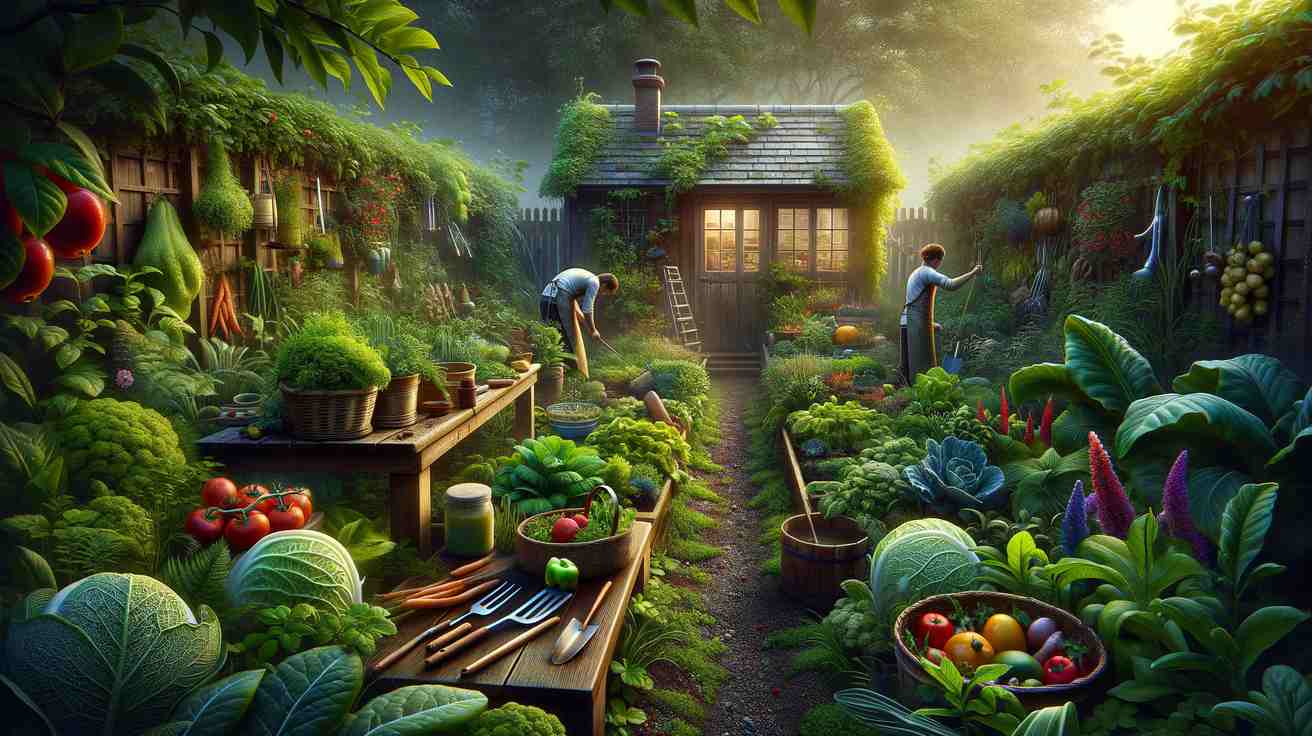
The allure of the kitchen garden is timeless, yet it’s finding new life in an era where style meets sustainability. Today, the humble kitchen garden is not just a haven for fresh produce; it’s a statement of style, practicality, and self-sufficiency. As more people discover the joys of growing their own food, the kitchen garden has become a symbol of both luxury and necessity. Here’s how you can cultivate your own piece of paradise, making it as fruitful as it is stylish.
Understanding the Modern Kitchen Garden
A Blend of Function and Form
The modern kitchen garden is a delightful fusion of functionality and aesthetics. Unlike traditional vegetable patches, today's designs seamlessly integrate with the overall landscape of a home. Whether you have a sprawling backyard or a compact balcony, the key is to create a space that is both productive and pleasing to the eye.
The Rising Popularity of Edible Beauty
With a shift towards organic and local produce, the kitchen garden is experiencing a renaissance. The emphasis is on edible beauty, where plants are chosen not just for their flavors but for their visual appeal. Think vibrant Swiss chard, lush kale, and the cascading vines of cherry tomatoes, all contributing to a tapestry of colors and textures.
Designing Your Kitchen Garden
Assess Your Space
Begin by assessing the space available. Whether you have a few square feet or several acres, understanding your area will help you choose appropriate plants and layouts. Consider sunlight exposure, as most edible plants require at least six hours of direct sunlight.
Choosing the Right Layout
The layout of your garden should reflect your needs and the space you have. Here are a few popular styles:
-
Raised Beds: Ideal for urban settings, raised beds provide excellent drainage and soil quality control. They’re perfect for beginners and can be constructed from a variety of materials, including wood, metal, or reclaimed materials for a rustic touch.
-
Container Gardens: For those with limited space, containers are a versatile option. They can be moved to take advantage of sunlight and can house a variety of herbs and vegetables.
-
Vertical Gardens: Maximize space by growing upwards. Vertical gardens are not only trendy but practical, allowing you to cultivate climbing plants like beans, peas, and even some types of squash.
Incorporating Aesthetic Elements
Incorporating aesthetic elements can elevate your kitchen garden. Consider adding decorative pathways, using attractive containers, or integrating art pieces like garden sculptures or water features. The goal is to create a space where you enjoy spending time.
Selecting the Perfect Plants
Understanding Your Climate
Before selecting plants, it’s crucial to understand your local climate. Research the hardiness zones in your area to determine what will thrive. This knowledge will guide you in selecting plants that are both productive and resilient.
Variety Is Key
A diverse selection of plants not only enhances the visual appeal but also encourages biodiversity, which can improve soil health and reduce pests. Consider these categories:
-
Herbs: Basil, thyme, rosemary, and parsley are kitchen staples that are easy to grow and offer year-round harvests.
-
Leafy Greens: Lettuce, spinach, and kale are fast-growing and can be harvested multiple times.
-
Root Vegetables: Carrots, radishes, and beets add a structural element to your garden and are generally low-maintenance.
-
Fruit-bearing Plants: Tomatoes, peppers, and cucumbers are garden favorites that offer bountiful yields.
Companion Planting
Employ companion planting to maximize your garden’s potential. This involves pairing plants that benefit each other. For example, planting basil near tomatoes can enhance growth and flavor, while marigolds act as a natural pest deterrent.
Caring for Your Kitchen Garden
Soil Health
Healthy soil is the foundation of any successful garden. Use a mix of compost and organic matter to enrich your soil, ensuring it’s nutrient-rich and well-draining. Regularly test your soil’s pH and amend it as necessary.
Watering Wisely
Efficient watering practices are crucial. Consider installing a drip irrigation system to conserve water and deliver it directly to the plant roots. For container gardens, ensure pots have adequate drainage to prevent waterlogging.
Pest and Disease Management
A stylish garden is also a healthy one. Use natural pest control methods such as neem oil or insecticidal soap. Encourage beneficial insects like ladybugs and bees, which help control pests and pollinate plants.
Harvesting and Maintaining Your Garden
Knowing When to Harvest
The key to a thriving kitchen garden is knowing when to harvest. Pick herbs just before they flower for peak flavor. Leafy greens can be harvested as soon as they’re large enough to eat. Root vegetables are typically ready when their tops push out of the soil.
Seasonal Maintenance
To keep your kitchen garden productive year-round, plan for seasonal maintenance. Rotate crops to maintain soil fertility and reduce disease risk. In colder months, consider using row covers or cold frames to extend the growing season.
Composting
Composting is a sustainable way to recycle garden waste and enrich your soil. Set up a compost bin and regularly add kitchen scraps, leaves, and plant trimmings. Over time, this will break down into nutrient-rich compost to nourish your garden.
Bringing Style to Your Kitchen Garden
Choosing Stylish Accessories
Enhance your garden’s aesthetic with stylish accessories. Choose pots and planters that complement your home’s architecture. Use garden markers or labels that add a touch of personality.
Lighting and Furniture
Consider adding outdoor lighting to extend your garden’s usability into the evening. Solar-powered lights are energy-efficient and add ambiance. If space permits, include seating areas where you can relax and enjoy the fruits of your labor.
Seasonal Decor
Adorn your garden with seasonal decor to keep it looking fresh. Hang decorative lanterns or wind chimes in the summer, and in the fall, use pumpkins or gourds to add a festive flair.
FAQs
1. What are the best vegetables for a beginner’s kitchen garden?
Start with easy-to-grow vegetables like lettuce, radishes, and tomatoes. These are forgiving and provide a quick harvest.
2. How do I prevent pests naturally?
Introduce beneficial insects like ladybugs, use companion planting, and apply neem oil or insecticidal soap as needed.
3. Can I grow a kitchen garden indoors?
Yes, with the right light conditions. Use grow lights and choose plants like herbs or leafy greens that thrive indoors.
4. How often should I water my kitchen garden?
Water needs vary by plant and weather, but generally aim to keep the soil consistently moist but not waterlogged.
5. What is companion planting?
Companion planting involves growing plants together that benefit each other, improving growth and pest resistance.
6. How can I extend the growing season?
Use row covers, cold frames, or a greenhouse to protect plants from frost and extend their growing period.
7. What soil is best for a kitchen garden?
A well-draining, nutrient-rich soil mix with compost is ideal for most kitchen garden plants.
8. How do I start composting?
Begin with a compost bin, and add layers of kitchen scraps and garden waste, turning it occasionally to speed up decomposition.
9. Are raised beds better than in-ground gardens?
Raised beds offer better drainage and easier soil management, making them ideal for urban gardens.
10. How do I make my garden more stylish?
Incorporate decorative elements, choose attractive containers, and use accessories like lighting or garden markers.
Discussion (0)
No comments yet. Be the first to start the conversation!
Leave a Reply