For generations, the arrival of spring has signaled gardeners to don their gloves, grab their tools, and engage in the age-old ritual of tilling the soil. This practice has been handed down through the years as a surefire way to prepare the ground for planting. However, a growing number of experienced gardeners are now urging us to reconsider this tradition. They argue that tilling in spring could be one of the worst things you can do to your soil before planting. Here, we'll delve into the reasons why this practice is under scrutiny and explore more sustainable alternatives for soil preparation that promise healthier gardens and bountiful harvests.
Understanding Tilling and Its Traditional Role
What is Tilling?
Tilling involves turning over the soil to prepare it for planting. This process loosens the soil, incorporates amendments, and can sometimes help control weeds. Traditionally, tilling is done with tools like plows or rototillers, which churn the soil to a certain depth.
The Historical Appeal of Tilling
Historically, tilling has been praised for its ability to break up compacted soil, aerate the ground, and make it easier to plant seeds. It was especially valuable in large-scale agriculture, where preparing vast tracts of land for planting was essential. Tilling was also seen as a way to control pests and diseases by burying debris and disrupting their habitats.
Why Tilling in Spring Is Problematic
Disruption of Soil Structure
One of the most significant concerns with spring tilling is the disruption of soil structure. Soil is not just dirt; it's a complex ecosystem composed of minerals, organic matter, air, water, and countless living organisms. When you till, you break apart this delicate matrix.
- Compaction Issues: While tilling initially loosens the soil, it can lead to compaction over time. The repeated action of turning the soil can cause the soil particles to settle tightly together, which reduces porosity and root penetration.
- Loss of Organic Matter: Tilling exposes organic matter to air, increasing its decomposition rate and leading to a loss of soil fertility over time.
Disturbance to Soil Life
The soil biome is rich with microorganisms, earthworms, and insects that play crucial roles in maintaining soil health. These organisms help decompose organic matter, fix nitrogen, and aerate the soil. Tilling disrupts their environment, often killing them or forcing them to relocate.
- Microbial Balance: Tilling can reduce the diversity and population of beneficial soil microbes, which are essential for nutrient cycling and plant health.
- Earthworm Populations: Earthworms, known as nature's plows, naturally aerate the soil. Tilling can harm these beneficial creatures, reducing their numbers significantly.
Erosion and Water Management Problems
Tilled soil is more susceptible to erosion by wind and water. The loose particles are easily washed or blown away, leading to the loss of topsoil, which is the most nutrient-rich layer.
- Water Retention: Tilling can disrupt the soil's natural structure, leading to poor water retention and increased runoff. This can result in nutrient leaching and reduced water availability for plants.
Alternatives to Spring Tilling
Mulching
Mulching is a practice where a layer of material (organic or inorganic) is applied on top of the soil. This method helps in suppressing weeds, retaining moisture, and gradually improving soil quality as the mulch breaks down.
- Organic Mulches: Use materials like straw, wood chips, or leaf mold. These break down over time, enriching the soil with organic matter.
- Inorganic Mulches: Gravel or landscape fabric can be used to suppress weeds without adding organic matter to the soil.
No-Till Gardening
No-till gardening is gaining popularity as a sustainable alternative to traditional tilling. This method focuses on minimal soil disturbance, maintaining the integrity of the soil ecosystem.
- Layered Approach: With no-till gardening, you can build a garden bed by layering materials such as compost, straw, and manure directly on top of the existing soil. This mimics the natural process of soil formation.
- Cover Crops: Plant cover crops during the off-season to improve soil structure and fertility. These plants can be cut back and left on the surface to decompose, providing a natural mulch.
Raised Beds
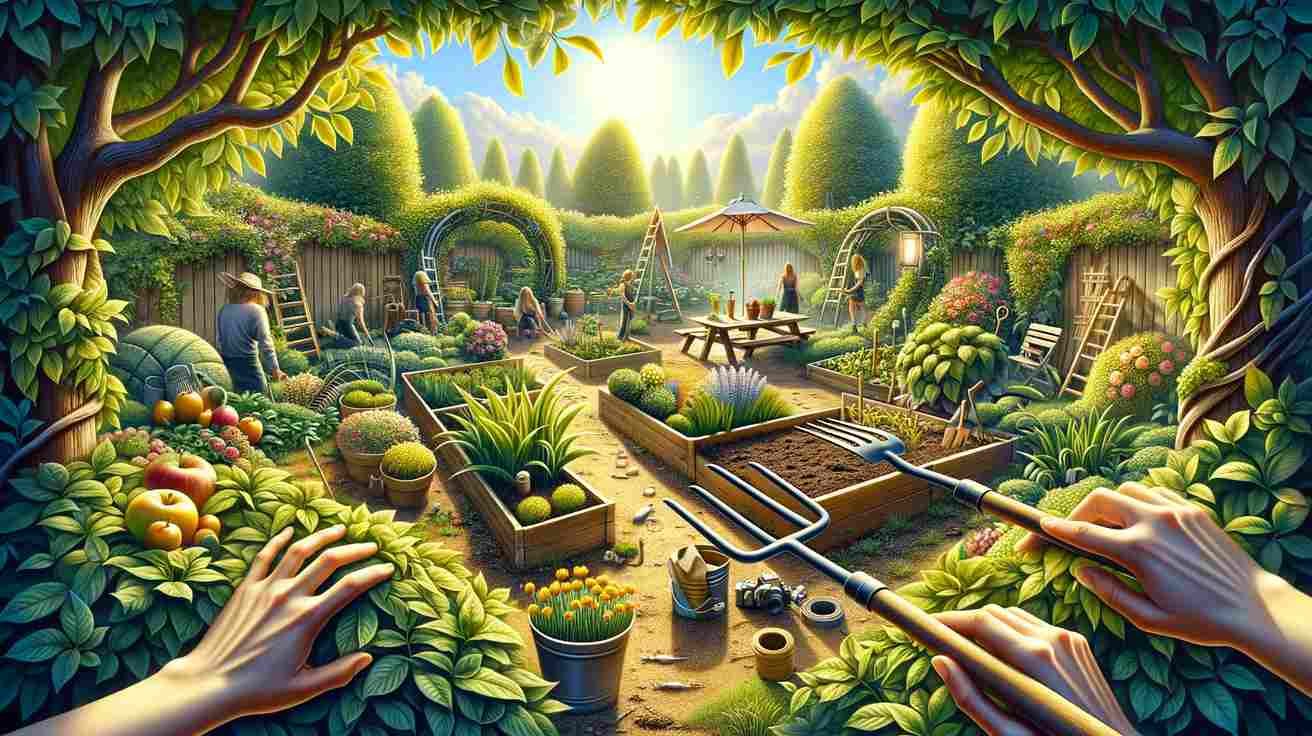
Raised beds are an excellent option for those looking to avoid tilling. They offer several benefits such as improved drainage, better control over soil composition, and reduced soil compaction.
- Construction Materials: Use wood, stone, or metal to build the frames. Ensure adequate depth to accommodate root growth.
- Soil Composition: Fill raised beds with a mix of topsoil, compost, and other organic materials to create a rich growing medium.
Steps for Transitioning Away from Tilling
Assess Your Soil
Before making any changes, assess your soil type, structure, and fertility. Conduct a soil test to check for nutrient deficiencies and pH levels.
Gradual Transition
If you've been tilling for years, transition gradually to allow your soil and its ecosystem to adjust. Start by reducing the frequency and depth of tilling each year.
Introduce Organic Matter
Increase the organic matter in your soil by adding compost, leaf mold, or well-rotted manure. This will help improve soil structure and fertility over time.
Plant Perennials
Incorporate more perennials into your garden. Perennials have deep root systems that help improve soil structure and reduce the need for tilling.
Practice Crop Rotation
Rotate your crops each year to prevent soil depletion and control pests and diseases naturally. Different plants have varying nutrient requirements and can contribute differently to soil health.
Conclusion
Reconsidering the practice of spring tilling can lead to healthier soils and more productive gardens. While it may require a shift in mindset and some adjustments to your gardening routine, the long-term benefits of avoiding tilling are well worth the effort. By adopting methods like mulching, no-till gardening, and raised beds, you can foster a thriving garden that works in harmony with nature.
FAQs
1. What is the primary disadvantage of spring tilling?
The primary disadvantage of spring tilling is the disruption of soil structure and the harm it causes to beneficial soil organisms, which can lead to compaction and reduced fertility over time.
2. Can I completely stop tilling immediately?
It's best to transition gradually from tilling to allow your soil to adjust. Start by reducing the frequency and depth of tilling each year.
3. How does mulching benefit the garden?
Mulching helps retain moisture, suppress weeds, regulate soil temperature, and add organic matter to the soil as it decomposes.
4. What are cover crops, and how do they help?
Cover crops are plants grown primarily to improve soil health. They help prevent erosion, enhance soil structure, and add nutrients when they decompose.
5. Are raised beds suitable for all plants?
Yes, raised beds can accommodate most plants, but they are particularly beneficial for vegetables, herbs, and flowers that prefer well-draining soil.
6. How do earthworms benefit the soil?
Earthworms aerate the soil, improve drainage, and enhance nutrient availability by breaking down organic matter.
7. Can I use inorganic mulches?
Yes, inorganic mulches like gravel or landscape fabric can suppress weeds and reduce maintenance, but they do not contribute to soil fertility.
8. What should I consider when building raised beds?
Consider the materials for the frame, ensuring they are durable and safe for growing food. Ensure the beds are deep enough to support the root systems of your chosen plants.
9. How do I start with no-till gardening?
Begin by layering organic materials on top of your existing soil and planting cover crops. Avoid disturbing the soil structure and let nature take its course.
10. Is crop rotation necessary if I don’t till?
Yes, crop rotation is beneficial for maintaining soil health and managing pests and diseases, regardless of your tilling practices.
Discussion (0)
No comments yet. Be the first to start the conversation!
Leave a Reply