The Day My Compost Pile Betrayed Me
I still remember the crisp spring morning when excitement bubbled through me like a fizzy drink. I had spent the winter dreaming about my garden's potential, mapping out each vegetable bed, and envisioning tomatoes that would make even the sun blush. But that initial enthusiasm soon withered when I approached my compost pile, expecting a rich, earthy aroma and elegant decay that was ready to nurture my soil. Instead, I was greeted with a stagnant mass that looked—and smelled—unalive, leaving me bewildered and disheartened.
This surprising scene of compost confusion impelled me to understand what had gone wrong. I was determined to turn the languishing pile into the vigorous core of my garden's fertility. Along my journey, I uncovered the blunders lurking in well-intentioned compost heaps and how we can correct them. Allow me to guide you through this composting odyssey to help you avoid the tender heartbreak that a failed compost pile can evoke.
Understanding Your Compost Pile's Needs
Balancing Ingredients: Greens vs. Browns
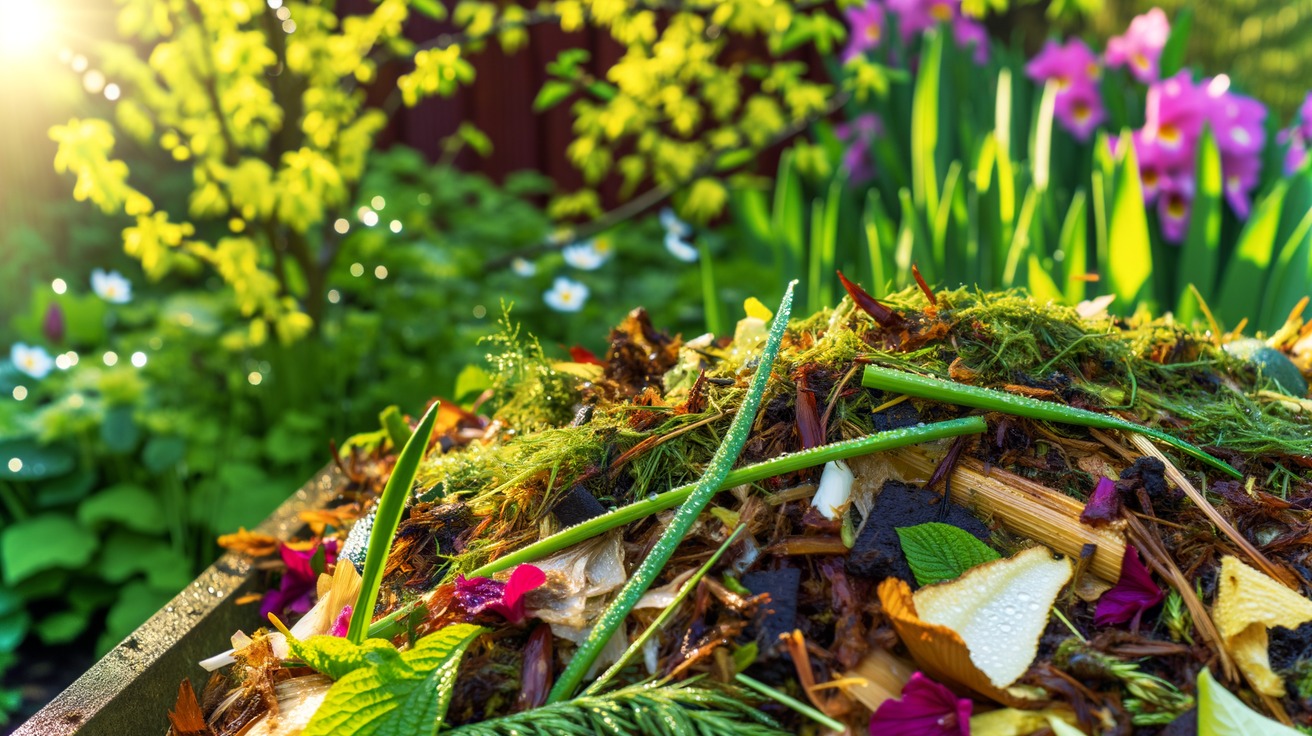
One of the most common mistakes gardeners make is imbalanced composting, where the ratio of greens to browns is off-kilter. Greens provide nitrogen, whereas browns are the carbon suppliers. This carbon-to-nitrogen ratio is crucial; it should ideally be around 30:1.
- Greens: Vegetable scraps, coffee grounds, grass clippings.
- Browns: Dry leaves, straw, small branches.
An excess of greens can create a smelly, slimy mess due to nitrogen overload, while too many browns might stall decomposition. Memorize the balance mantra: "Layer greens sparingly, brown it generously."
Moisture Matters
Think of your compost as a living organism—it needs the right moisture to survive. Too wet, and it drowns; too dry, and it shrivels. Aim for a consistency like a damp sponge. Achieve this by:
- Turning your pile often, especially after heavy rains.
- Adding water to emerging dry zones.
- Covering the pile with a tarp or lid to control evaporation and protect from the elements.
What's in the (Air Supply)?
Air is crucial for the aerobic bacteria that transform your waste into compost gold. Without adequate aeration, your pile risks becoming an odorous anaerobic catastrophe.
- Turn your compost frequently to introduce oxygen.
- Consider adding bulky items like straw to create air pockets.
Common Composting Mistakes
Feeding the Pile Non-Compostables
Not all materials belong in a compost bin. A blunder often made by new composters is introducing items that won't decompose properly or could harm the garden.
- No Negatives: Avoid oils, meat, and dairy.
- Chemical Conundrums: Steer clear of plants treated with chemicals as these could carry over to your garden soil.
Ignoring the Temperature Game
Temperature is a vital sign of a healthy compost pile. When your pile is heating up nicely (110 to 160 degrees Fahrenheit), it indicates active decomposition. If your pile feels no warmer than the surrounding environment, action is needed.
- Adjust your green to brown ratio.
- Ensure your ingredients are moist and well-aerated.
- Consider incorporating more active compost or manure to kick-start the process.
Forgetting to Cook Before the Chill
Remember that composting slows down dramatically in cold weather. Attempting to build a compost pile too late in the season might leave your waste in limbo throughout the winter.
- Start early and encourage rapid decomposition in warmer months.
- Consider insulating your pile if you plan to continue composting into colder seasons.
Rescuing a Dying Compost Pile
Performing Compost CPR
If your compost isn't thriving, don't despair! There are ways to resuscitate your dying heaps.
- Investigate: Determine if the imbalance is due to moisture, aeration, or misbalancing of greens and browns.
- First Aid: Add corrective ingredients like dried leaves for nitrogen overload or coffee grounds for a carbon-heavy pile.
- Turn and Tend: Revitalizing your pile might simply be a case of rolling up your sleeves and turning it, then giving it some love over the next few weeks.
Set It and Smile, Not Set It and Forget It
Composting isn't a set it and forget it practice. Regular monitoring and maintenance ensure your pile's health. Track its progress, make adjustments, and apply lessons learned. This way, the cycle of life continues, and so does the flourishing of your garden.
Why Composting Matters
Environmental Benefits
Composting reduces landfill waste, decreases methane production, and returns organic matter to the earth. By turning your kitchen scraps into nutrient-rich compost, you mitigate environmental impact and contribute positively to the planet's health.
Garden Prospects
Beyond helping the environment, compost enhances soil fertility, improves structure, and promotes superior water retention. These benefits lead directly to lush, productive gardens filled with thriving plants that delight the senses and sustain the table.
FAQs about Spring Composting
1. What should I do if my compost pile smells terrible?
Bad smells often signal an imbalance, such as too much moisture or excess nitrogen. Correct it by adding brown materials and turning the pile for aeration.
2. How often should I turn my compost pile?
Turning your compost pile every 1-2 weeks helps introduce oxygen essential for the aerobic bacteria driving decomposition.
3. Can I compost citrus peels and onions?
Yes, but in moderation. Citrus and onions can be too acidic or strong-smelling if overused, so balance them with other materials.
4. Is it safe to compost pet waste?
Pet waste may contain pathogens harmful to humans and should generally be avoided unless specifically treating it for composting.
5. How can I speed up composting?
Increase the decomposition rate by ensuring the right carbon-to-nitrogen ratio, keeping the pile moist, well-ventilated, and turning it frequently.
6. What happens if I add too many 'greens'?
Too many greens can cause your pile to smell and become slimy. Remedy this by incorporating more brown materials to soak up excess nitrogen.
7. Can I compost paper products?
You can compost non-glossy paper and cardboard as long as they are shredded or broken down well to speed decomposition.
8. Are there natural compost accelerators I can use?
Manure, previously finished compost, or a spade of garden soil can introduce beneficial microbes to kick-start your pile.
9. Why are there pests in my compost pile?
Pests may be attracted by improper materials (meat, fats) or odors; solving the input issues will discourage them.
10. Can I continue composting throughout winter?
Yes, if you insulate your compost pile, it can maintain warmth and continue breaking down materials more slowly.
Discussion (0)
No comments yet. Be the first to start the conversation!
Leave a Reply