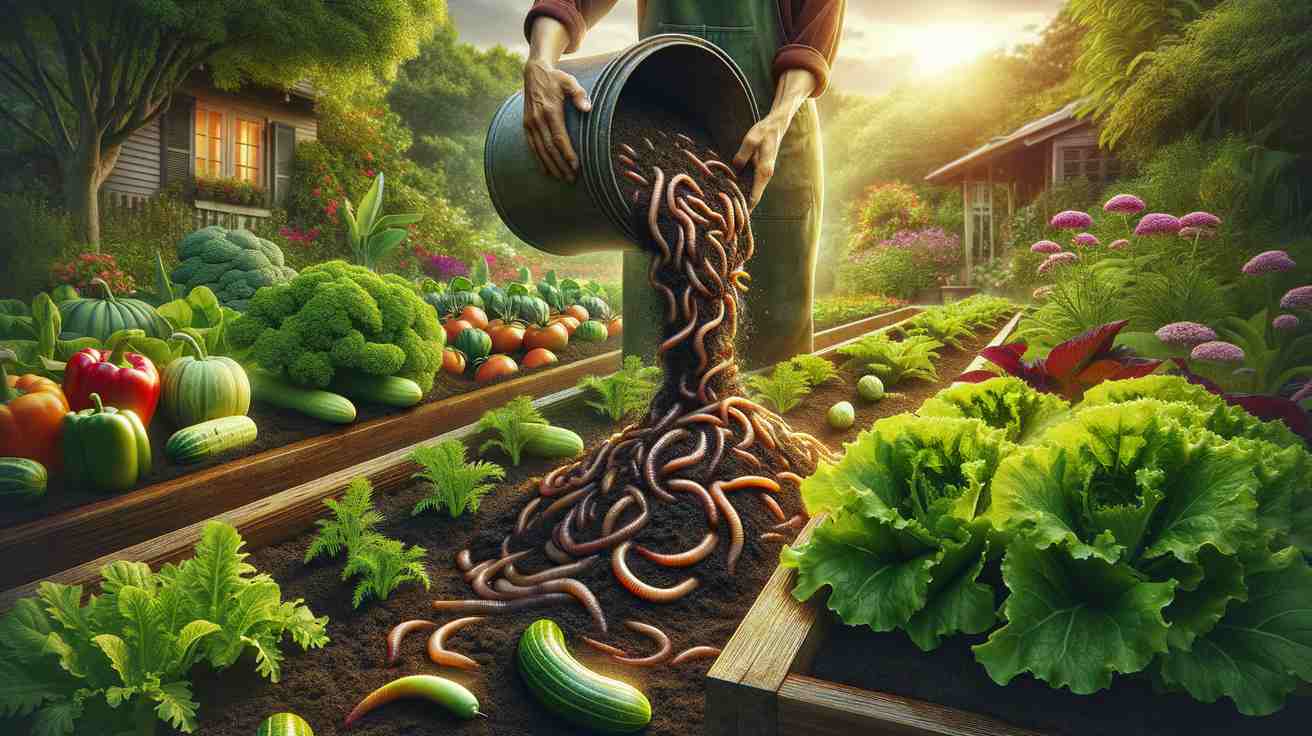
As the frost begins to retreat and the first signs of spring emerge, gardeners everywhere feel the itch to dig their fingers into the soil and start planning their vegetable gardens. While you may be familiar with the benefits of composting and using organic fertilizers, there's one secret ingredient that could revolutionize your gardening success this season: worm castings. Pour worm castings into your vegetable beds this spring, and you might just be amazed at what happens to every single plant.
Understanding Worm Castings
Worm castings, often referred to as vermicompost, are the nutrient-rich droppings of earthworms. These tiny granules are packed with essential nutrients and beneficial microbes that can transform your soil into a thriving ecosystem. Worms naturally process organic matter, and their castings are a result of this digestion.
The Nutritional Powerhouse
Worm castings contain a unique blend of macro and micronutrients, including nitrogen, phosphorus, potassium, calcium, magnesium, and iron. Unlike synthetic fertilizers, the nutrients in worm castings are released slowly, providing a steady supply of nourishment to plants over time. This slow-release mechanism prevents the risk of burning plants, which can occur with some chemical fertilizers.
Microbial Magic
Beyond the nutrients, worm castings are teeming with beneficial microbes that enhance soil health. These microorganisms help break down organic matter, making nutrients more accessible to plants. They also improve soil structure and promote healthy root growth, resulting in more robust plants.
How to Apply Worm Castings
Incorporating worm castings into your garden is straightforward, but there are a few techniques to maximize their effectiveness.
Preparing Your Vegetable Beds
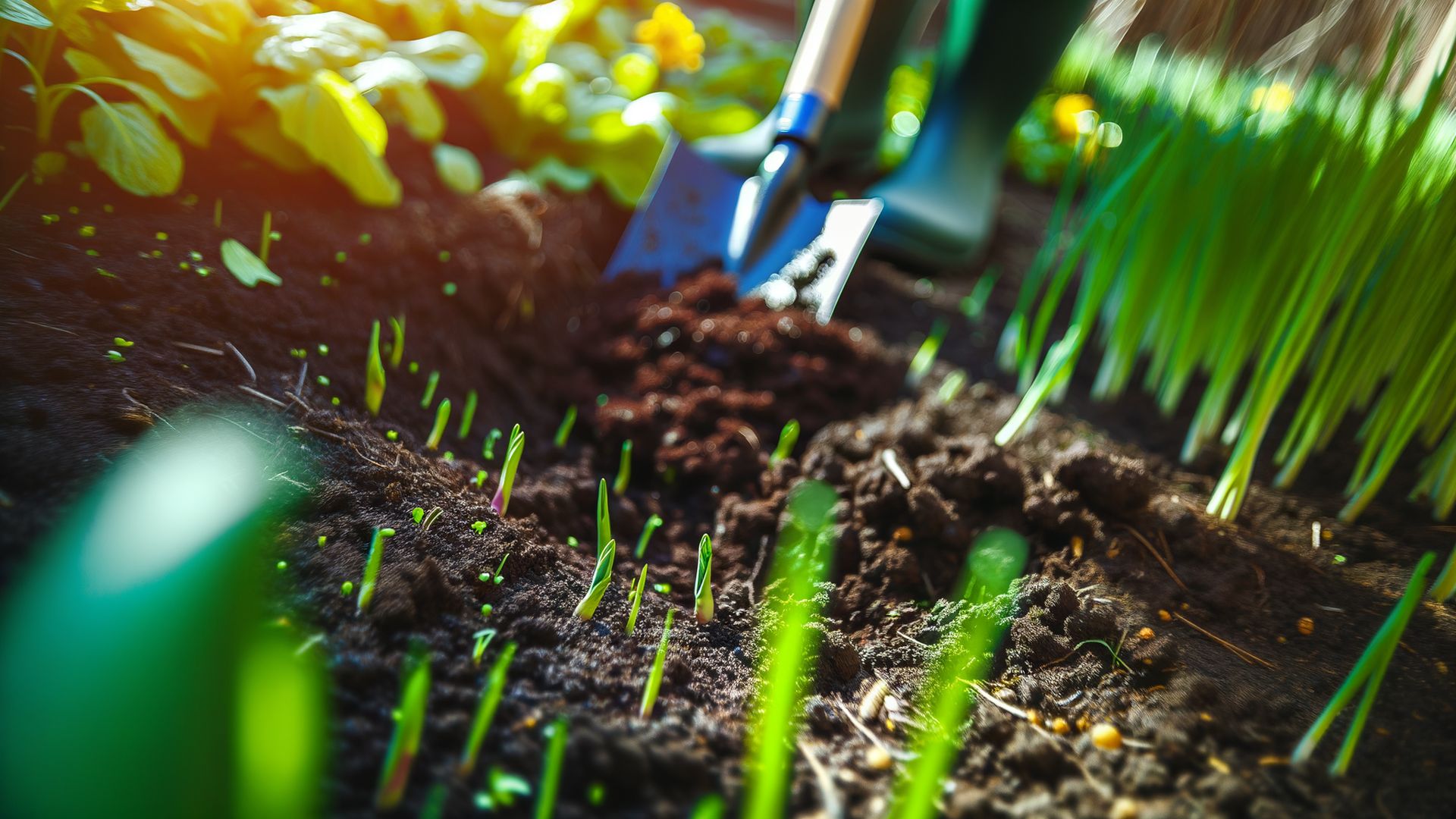
Before planting, prepare your vegetable beds by removing any debris and loosening the soil. This will ensure that the worm castings can be easily integrated into the soil matrix.
Application Methods
-
Top Dressing: Sprinkle a layer of worm castings on the surface of the soil around your plants. Aim for about a quarter-inch thick layer. This method is ideal for established gardens where you don't want to disturb the roots.
-
Mixing with Soil: For new plantings, mix worm castings into the soil at a ratio of 1:4 with existing soil. This ensures that the nutrients are evenly distributed and readily available to the plant roots.
-
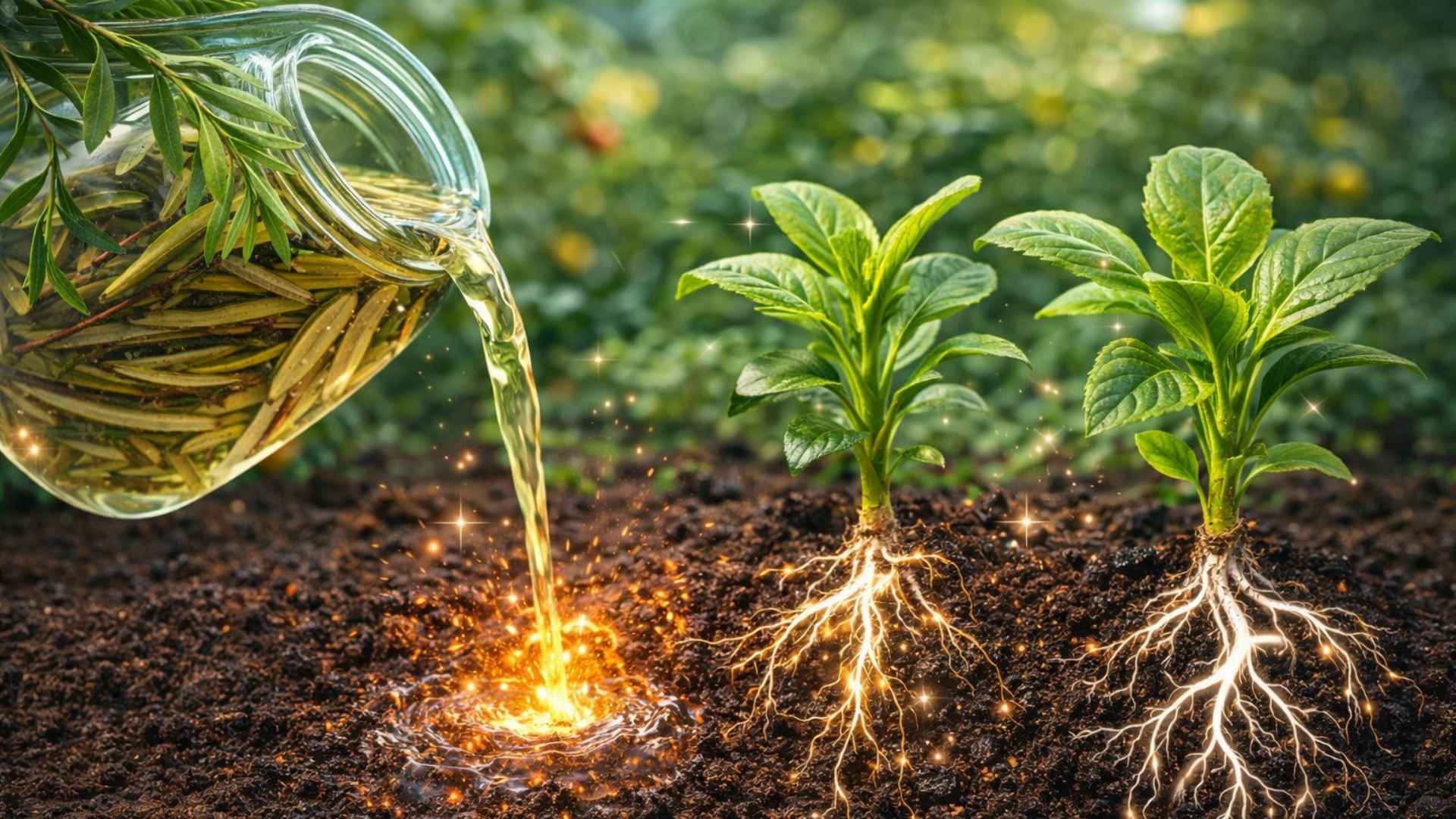
Liquid Fertilizer: Create a worm casting tea by soaking a handful of castings in a gallon of water for 24 hours. Use this nutrient-rich liquid to water your plants every few weeks for an extra boost.
Benefits of Worm Castings for Your Plants
Improved Plant Growth
Worm castings encourage vigorous growth by supplying a steady stream of essential nutrients. Expect to see stronger, healthier plants with increased foliage and flowering.
Enhanced Disease Resistance
The beneficial microbes in worm castings help suppress soil-borne pathogens, reducing the likelihood of diseases such as root rot and blight. This natural defense system can lead to fewer plant losses and a more productive garden.
Increased Yield
With their enhanced growth and disease resistance, plants nourished with worm castings often produce larger yields. Fruits and vegetables may grow bigger and taste better, contributing to a more bountiful harvest.
Improved Soil Structure
The organic matter in worm castings helps to improve soil texture and structure. This creates a well-aerated environment that allows roots to grow deeply and access the nutrients they need.
Practical Tips for Success
Choosing Quality Worm Castings
When sourcing worm castings, look for products that are pure and free from fillers. Quality castings should have a pleasant earthy smell and a dark, crumbly texture.
Timing and Frequency
For optimal results, apply worm castings in early spring before planting and again mid-season. This will ensure your plants have a consistent nutrient supply throughout their growth cycle.
Companion Planting
Pairing worm castings with companion plants can further enhance plant health. For example, planting marigolds alongside vegetables can deter pests while worm castings boost soil fertility.
The Environmental Impact
Using worm castings is not only beneficial for your garden but also for the environment. By recycling organic waste through vermicomposting, you reduce landfill waste and lower your carbon footprint. This practice supports sustainable gardening and helps preserve the planet for future generations.
Troubleshooting Common Issues
Slow Decomposition
If your worm castings seem to decompose slowly, ensure that they are kept moist and aerated. Dry or compacted castings may take longer to break down and release nutrients.
Pest Control
While worm castings can deter some pests, they are not a cure-all. Monitor your garden regularly and use integrated pest management techniques to address any infestations.
Storage
Store unused worm castings in a cool, dry place out of direct sunlight. This will maintain their potency and extend their shelf life.
FAQs
1. Can I use worm castings on all types of plants?
Yes, worm castings are safe and beneficial for all types of plants, including vegetables, flowers, shrubs, and trees.
2. How long do the benefits of worm castings last in the soil?
The benefits of worm castings can last for up to two months in the soil, making them an excellent slow-release fertilizer.
3. Are there any plants that don't benefit from worm castings?
Most plants benefit from worm castings, but highly acidic soil-loving plants may require additional amendments to balance pH levels.
4. Can I make my own worm castings at home?
Yes, you can create your own worm castings using a worm bin or composting system with kitchen scraps and garden waste.
5. What is the difference between compost and worm castings?
While both enrich the soil, worm castings offer a higher concentration of nutrients and beneficial microbes than traditional compost.
6. How much worm casting tea should I use on my plants?
Apply worm casting tea once every 2-4 weeks, using enough to thoroughly moisten the soil around each plant.
7. Can worm castings improve clay or sandy soil?
Yes, worm castings help improve the structure of both clay and sandy soils, enhancing drainage in clay and water retention in sandy soils.
8. Do worm castings attract earthworms to my garden?
Yes, using worm castings can attract earthworms to your garden, further enhancing soil fertility and structure.
9. Are there any downsides to using worm castings?
Worm castings are generally beneficial, but overuse can lead to excess nutrient buildup. Always follow recommended application rates.
10. Can I use worm castings in indoor plants?
Absolutely, worm castings are a great way to boost nutrient levels in indoor potting mixes and promote healthy growth.
Discussion (0)
No comments yet. Be the first to start the conversation!
Leave a Reply