A March Revelation: My Battle with Pests
Growing up in a sunny country town, my grandmother's garden was an oasis of vibrant colors and heady scents. But every gardener knows that such beauty comes at a cost. I vividly remember one spring when her cherished azaleas were almost annihilated by aphids. The devastation brought tears to Gran’s eyes, and seeing her heartbreak, I vowed to find a solution.
Fast forward to several years later, a revelation emerged while I was attending a local gardening workshop. A fellow gardener, with twinkling eyes and a ton of experience, shared a secret whispered among seasoned growers: March Pest Prevention. This timely intervention involves a mix of techniques that help keep pests at bay for the long haul! This guide unfolds the secrets I learned that day, ensuring you maintain a thriving garden free of unwanted visitors.
Understanding the Seasonal Cycle of Pests
Pests have their own life cycles, which are cleverly synchronized with the seasons. Early spring, specifically March, is a pivotal month for pests as they begin to stir from winter dormancy. Knowing their cycles allows gardeners to stay one step ahead.
The Importance of Timing
Why March, you ask? As temperatures rise, pest eggs begin to hatch, and larvae start to emerge. By preparing in advance, you disrupt these cycles before they take hold. It's all about preemptive action! While other gardeners scramble in May or June, you’ll sit back and enjoy your lush, pest-free paradise.
Common Garden Pests to Watch Out For
To fend off pests, it’s essential to know who you’re battling:
- Aphids: These tiny green, black, or white insects suck the sap from your plants, weakening them.
- Whiteflies: These can cover plants in a sticky substance, attracting mold.
- Caterpillars: Notorious for munching through leaves and small branches.
- Japanese Beetles: These shiny insects can decimate foliage fast.
The March Gardening Secret
The secret lies in multiple strategic steps, akin to assembling an unbreakable fortress around your garden. Each part is crucial and complements the others.
Soil Exploration: The Foundation of Pest Control
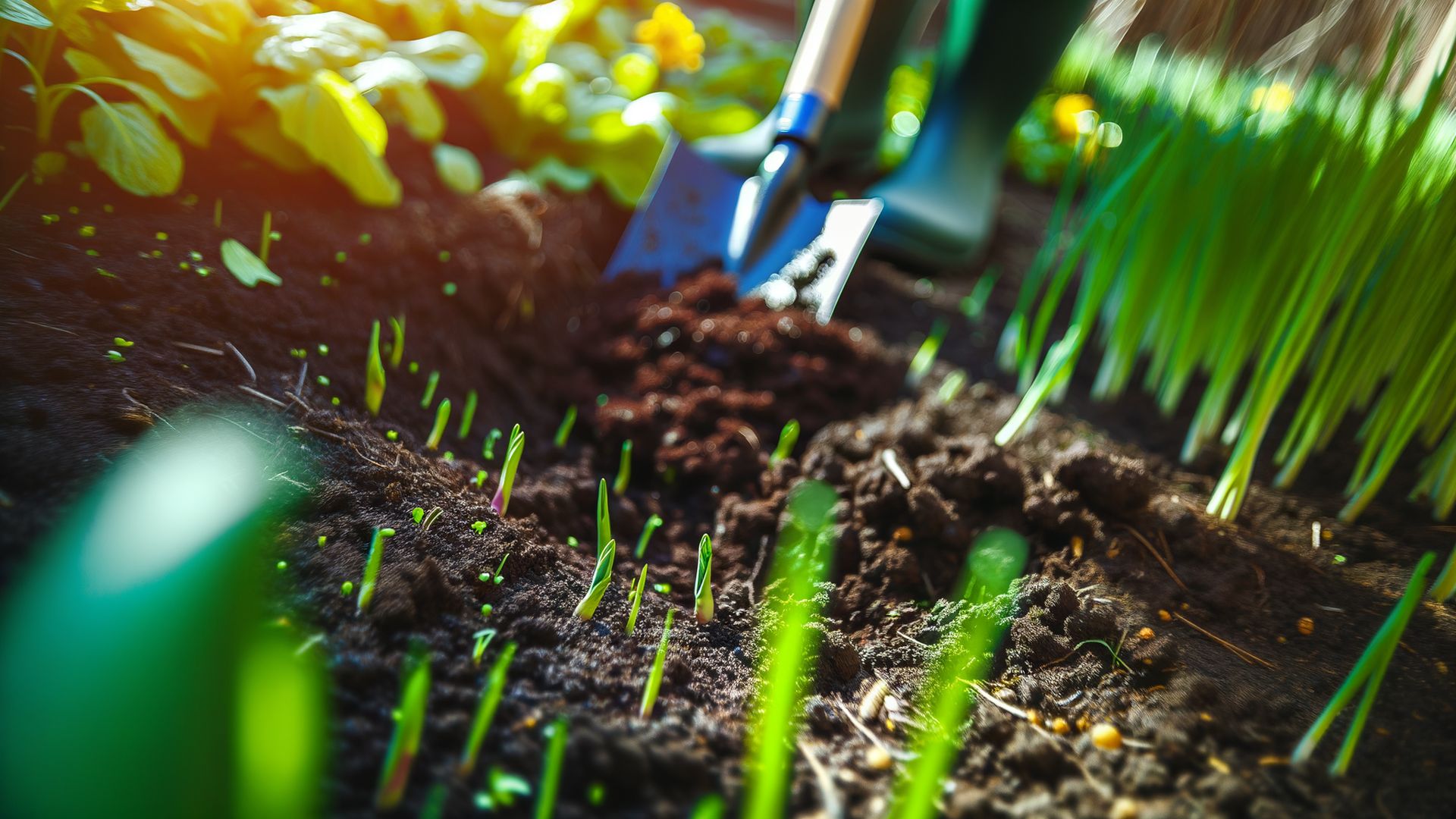
Healthy soil is an absolute must. Pests look for weak plants, and proper soil preparation in March ensures your plants are robust.
- Compost Addition: Start by adding a high-quality compost to enrich the soil with nutrients.
- Crop Rotation: Change where you plant different species annually to deter pests that target specific plants.
Organic Pest Barriers
Creating a physical barrier is a straightforward yet effective technique.
- Row Covers: Install these over your seedlings to keep pests from landing directly on the plants.
- Mulching: Not only does mulch retain soil moisture, but it also blocks weeds and pests.
Natural Predators: Nature's Balance
Encourage beneficial insects that prey on garden pests:
- Ladybugs: Excellent for controlling aphid populations.
- Praying Mantises: Voracious eaters of a variety of harmful insects.
- Birds: Attract them by setting up bird feeders and baths; they love to snack on pests.
The Power of Companion Planting
Use nature to your advantage.
- Marigolds: Planting marigolds near vegetables can deter nematodes.
- Basil: This herb can repel flies and mosquitoes when paired with tomatoes.
Homemade Pest Sprays
Why buy expensive products when you can concoct your own? Here are a few natural solutions:
- Garlic Spray: Blend garlic with water and a dash of soap to keep aphids away.
- Neem Oil: A natural insecticide, neem oil disrupts pest lifecycles.
Regular Garden Maintenance
- Weekly Inspections: Walk around your garden to catch early signs of infestation.
- Pruning: Eliminate dead or infested plant parts immediately.
Utilizing Garden Technology
Modern tools can give an added edge.
- Insect Traps: Use pheromone traps to monitor pest activity.
- Garden Apps: Several smartphone apps help identify pests and diseases based on pictures and descriptions.
A Month-by-Month Plan for Pest Management
Transform this March strategy into a year-round plan:
March to June: Set Your Base
- Begin with soil and plant preparations.
- Ensure protective barriers are in place.
July to September: Maintain Vigilance
- Regularly check and renew barriers.
- Continue introducing beneficial insects.
October to December: Prep for Winter
- Clean up decaying plants to remove pest habitats.
- Apply a final thick mulch layer.
January to February: Plan Ahead
- Review your pest management strategy and gather supplies for early spring.
FAQs
What is the best time to start pest control in the garden?
March is ideal, as it coincides with pest emergence due to warming temperatures.
How does mulch help in pest prevention?
Mulching blocks weed growth, preserves soil moisture, and deters pests by creating a physical barrier.
Can companion planting really deter pests?
Absolutely! Plants like marigolds and basil release natural chemicals that repel specific pests.
Are there specific plants to avoid if I want to reduce pests naturally?
Yes, avoid plants known to attract large pest populations, like those in the morning glory family which are prone to beetle infestations.
How often should I inspect my garden for pests?
Weekly inspections are advisable to catch and address issues early.
Is natural pest control as effective as chemical methods?
It can be, especially when combined in layers (barriers, natural predators, sprays). It is also safer for your plants and the environment.
What are some signs that my garden has a pest problem?
Look for holes in leaves, wilting plants, or discoloration, which often indicate pest activity.
How important is soil health in pest control?
Crucial. Healthy soil supports strong plants, which can better resist pests and diseases.
Do natural predators harm my plants?
No, natural predators like ladybugs and praying mantises are beneficial and only target pests.
How can I attract beneficial insects?
Plant nectar-rich flowers and offer a diverse garden environment, which acts as a magnet for these helpful allies.
Discussion (0)
No comments yet. Be the first to start the conversation!
Leave a Reply