
Every autumn, as the air turns crisp and the leaves display their vibrant hues, gardeners face the bittersweet task of saying goodbye to their summer crops. For many, this means pulling out the pepper plants that have diligently produced a bounty of jalapeños, bell peppers, and chilies. However, last year, I decided to try something different. Instead of uprooting my pepper plants, I chose to overwinter them. The results were more than just a pleasant surprise—they transformed my gardening experience in unexpected ways.
Why Overwinter Pepper Plants?
Before diving into the process and results, let’s explore why one might choose to overwinter pepper plants. Peppers, especially the perennial varieties, are naturally suited to warmer climates. This means that in their native habitats, they can live and produce for several years. In temperate zones, gardeners typically grow them as annuals due to the cold weather. However, by overwintering, you can essentially extend the life of your plants, giving them a head start for the next growing season.
Benefits of Overwintering
-
Early Harvest: Overwintered peppers have a significantly earlier start compared to new seedlings. With an established root system, they can focus on fruiting as soon as the temperatures rise.
-
Increased Yield: With a head start, these plants often produce more peppers over the season than their freshly planted counterparts.
-
Cost-Effective: By overwintering, you save money on seeds or seedlings, and you preserve your favorite varieties without having to purchase new plants.
The Overwintering Process
Preparing Your Plants
The first step in overwintering is selecting the right plants. Choose healthy, disease-free pepper plants. Cut them back significantly, leaving about 6-12 inches of the main stem. This pruning helps the plant focus its energy on surviving the winter rather than maintaining unnecessary foliage.
Transition Indoors
Once pruned, carefully dig up the pepper plants, being cautious not to damage the root system. Pot them in containers with fresh potting soil, ensuring good drainage to prevent root rot. Place the potted plants in a location with bright, indirect light, such as a sunny windowsill or under grow lights.
Winter Care
During the winter months, the key is to keep the plants alive without encouraging too much growth. Water sparingly; the soil should be kept barely moist. Additionally, maintain a temperature between 55-65°F (13-18°C) to mimic a mild winter climate. Avoid fertilizing until early spring when new growth begins.
Spring Revival
Gradual Reintroduction
As spring approaches and the risk of frost wanes, begin acclimating your plants to the outdoors. Start by placing them outside for a few hours a day in a sheltered location, gradually increasing their exposure to direct sunlight and outdoor conditions over two weeks. This process, known as hardening off, is crucial for avoiding shock when the plants are permanently moved back into the garden.
Transplanting Back to the Garden
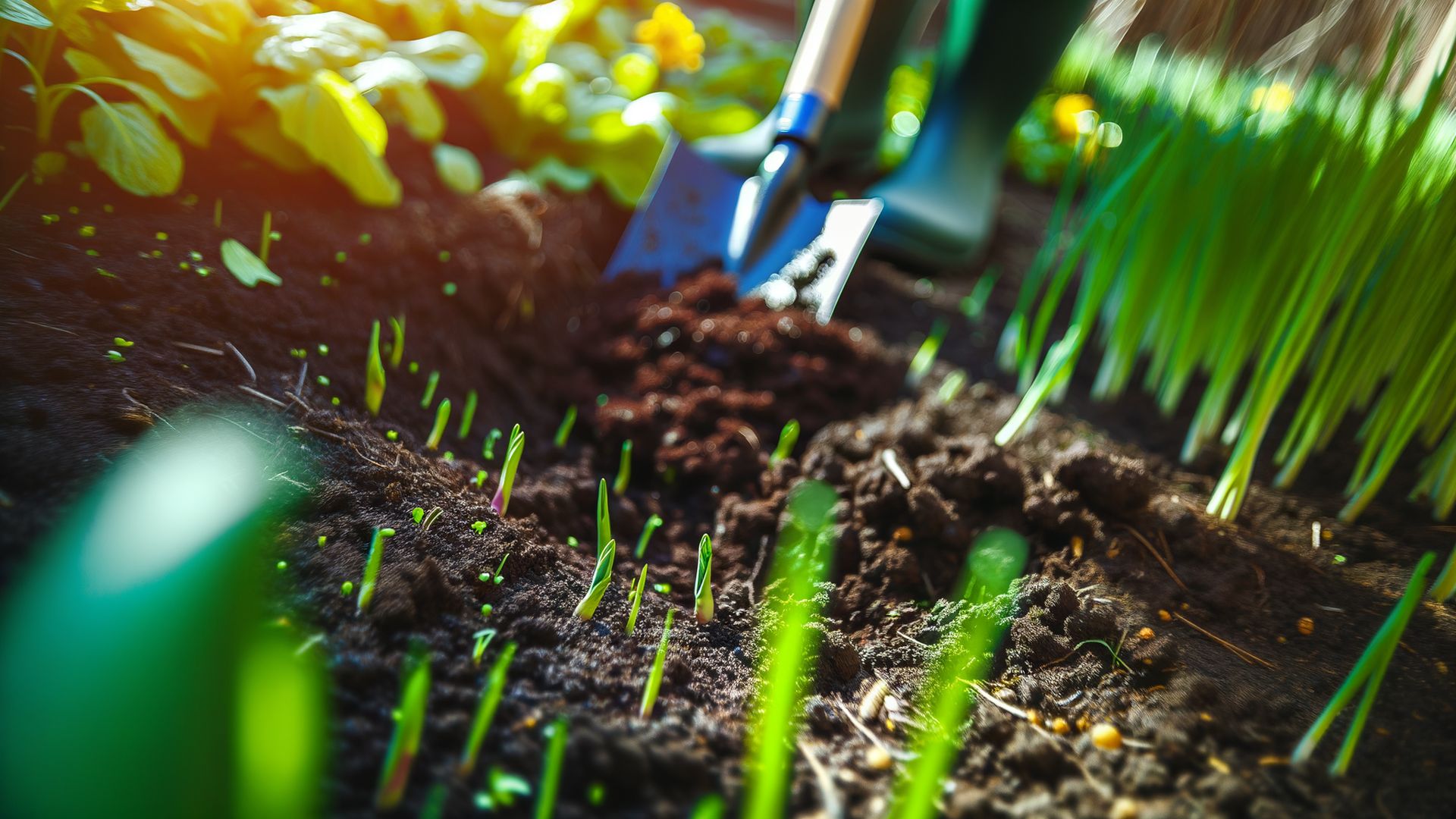
Once the plants have adjusted and the soil has warmed, it’s time to transplant them back into their garden beds. Ensure that the planting area is enriched with compost and well-draining to support robust growth. Space the plants appropriately to allow for air circulation and prevent disease.
The Results: What Happened Next Season
Early and Abundant Harvest
The first noticeable difference in overwintered pepper plants was their vigor. As soon as the temperatures stabilized, they began to leaf out rapidly. By late spring, flowers were already appearing, leading to the first harvest weeks earlier than usual. This early production extended my pepper season significantly, allowing me to enjoy fresh peppers when others were just planting their seedlings.
Enhanced Plant Health
Overwintered plants also exhibited stronger resistance to pests and diseases. Perhaps it was the robust root systems or the extra care during the winter months, but they seemed less susceptible to the common ailments that often plague young pepper plants.
Challenges Faced
Despite the benefits, there were a few challenges. Overwintered plants required more space and attention during the cold months. Additionally, not all plants survived the transition back to outdoor life, reminding me that overwintering, while rewarding, is not foolproof.
Tips for Successful Overwintering
-
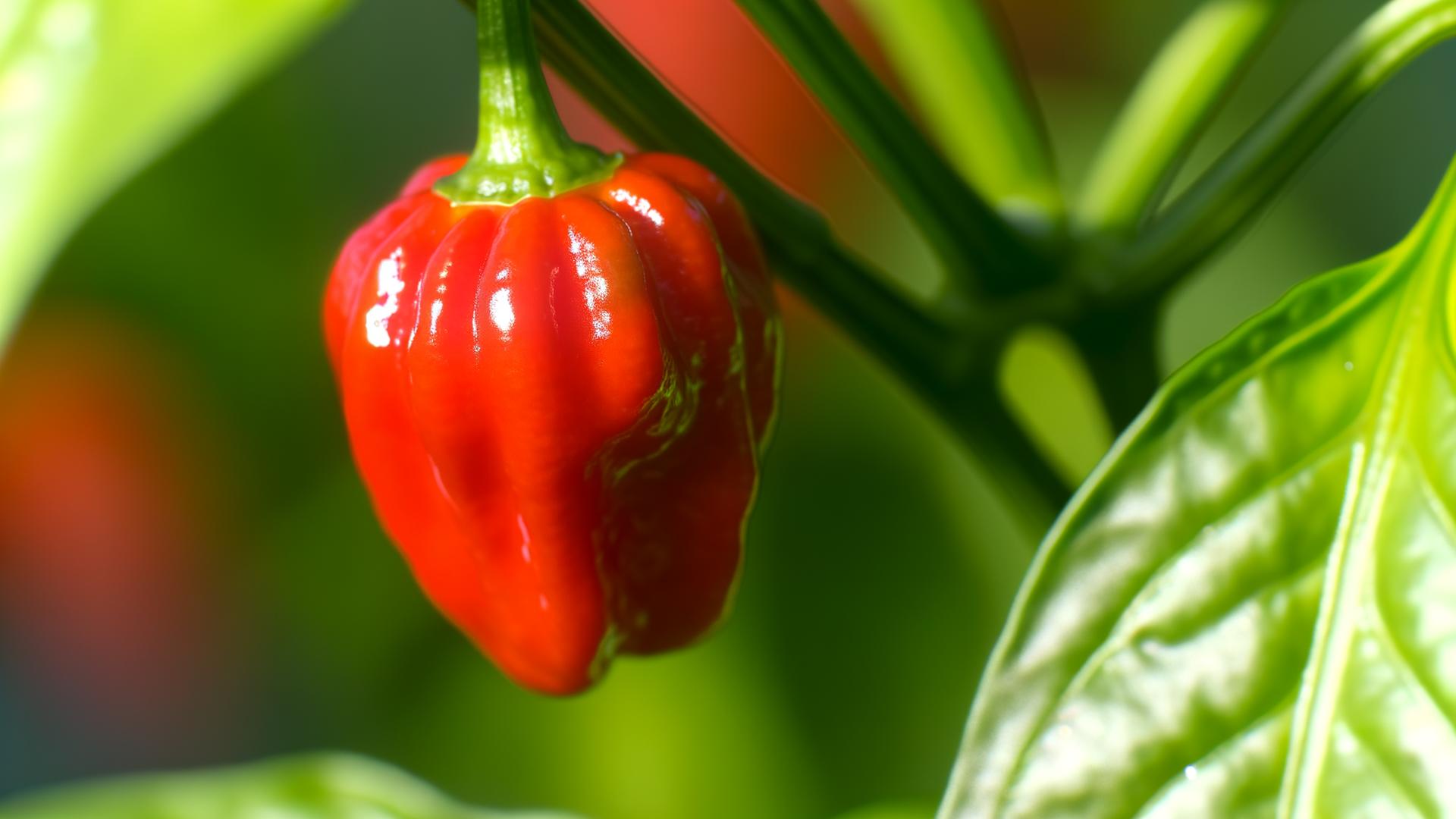
Choose the Right Varieties: Some pepper varieties, such as habaneros and ghost peppers, naturally lend themselves better to overwintering due to their perennial nature.
-
Monitor for Pests: Indoors, plants can become a haven for aphids and spider mites. Regularly inspect your plants and manage any infestations promptly.
-
Maintain Humidity: Indoor environments can be dry; using a humidity tray or occasional misting can help mimic the plant's natural conditions.
-
Be Patient: Overwintering requires a long-term commitment. Not all plants will thrive immediately, but with care, they can reward you richly in the following season.
FAQs About Overwintering Pepper Plants
-
Can all pepper varieties be overwintered? While most can be, some perform better than others. Focus on perennial varieties for best results.
-
What is the ideal temperature for overwintering peppers indoors? Maintain temperatures between 55-65°F (13-18°C).
-
How often should I water my overwintered pepper plants? Water sparingly, keeping the soil barely moist to prevent root rot.
-
Do I need special lights for overwintering? If natural light is insufficient, using grow lights can help maintain plant health during winter.
-
How do I deal with pests on overwintered plants? Regular inspections and using insecticidal soap can help manage pests like aphids.
-
Will overwintered plants produce more than new seedlings? Often, yes. They have a head start and can produce earlier and potentially more peppers.
-
What should I do if my plants start growing too much indoors? Prune them back to focus energy on survival rather than growth.
-
What type of potting soil is best for overwintering? Use a well-draining potting mix to prevent waterlogging.
-
How long should the hardening-off process take? Plan for about two weeks to gradually acclimate your plants to outdoor conditions.
-
Is overwintering peppers worth the effort? Many gardeners find the early harvest and increased yield worth the extra winter care.
Discussion (0)
No comments yet. Be the first to start the conversation!
Leave a Reply