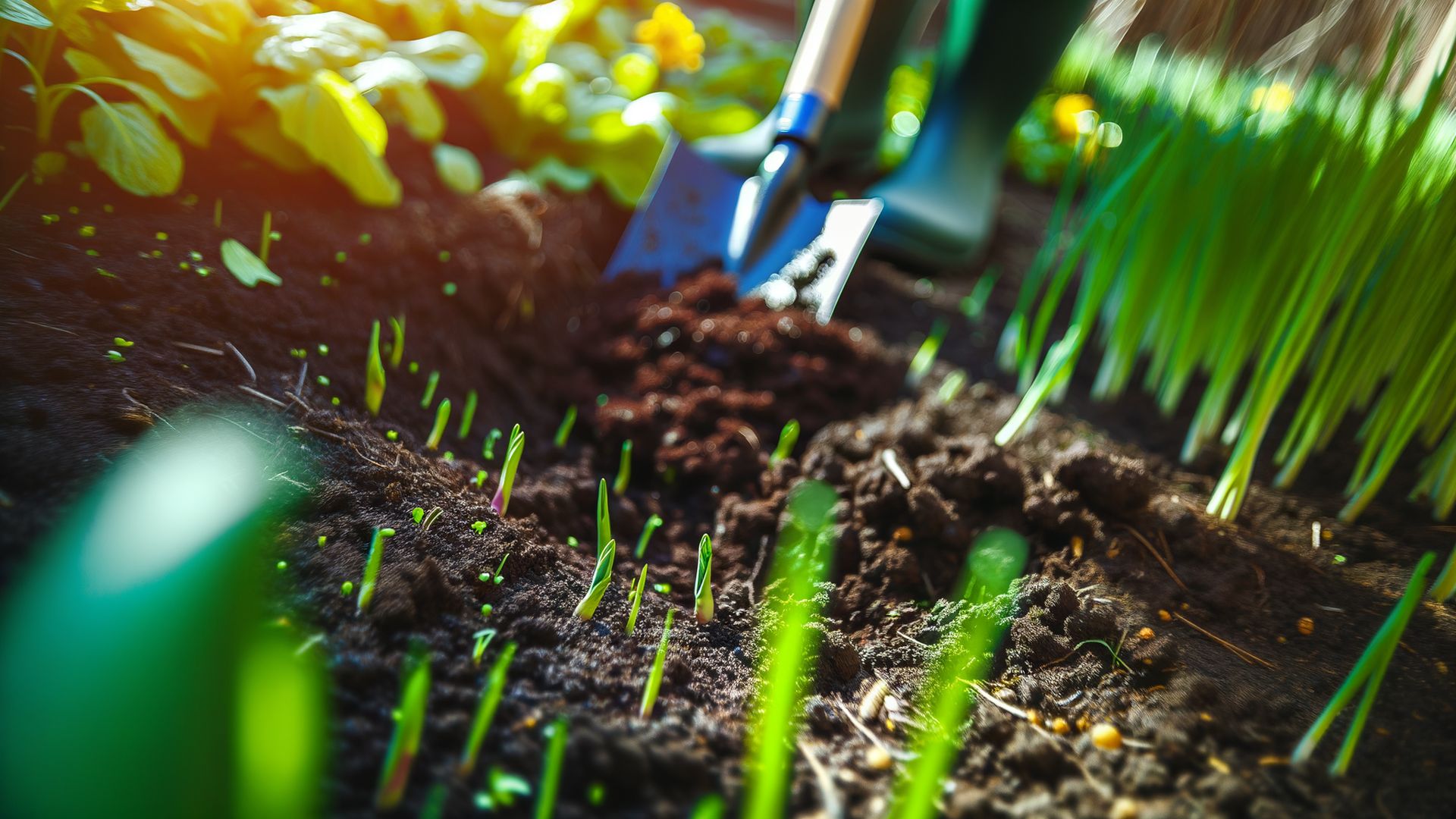



Tomatoes are the crowning glory of many a gardener's plot, their vibrant hues and rich flavors bringing joy to both the grower and those who savor the harvest. However, nothing is more disheartening than finding that your beautiful tomatoes are marred by a common affliction known as blossom end rot. This condition can transform an expectant gardener's delight into frustration, but fear not, as there is an effective remedy that can be implemented with a simple tablespoon of an unlikely hero—calcium.
Understanding Blossom End Rot
What is Blossom End Rot?
Blossom end rot is a physiological disorder that affects tomatoes, as well as other fruits like peppers and squash. It manifests as a dark, sunken spot at the blossom end of the fruit, which is the opposite of the stem. This condition is not caused by a pathogen, but rather by a calcium deficiency in the plant.
Causes of Calcium Deficiency
Calcium is a vital nutrient that strengthens the cell walls of tomato plants. A deficiency occurs not necessarily due to a lack of calcium in the soil but because of inconsistent watering practices, which impede calcium uptake. Fluctuating moisture levels can stress the plant, leading to this nutrient being unavailable when the plant needs it most.
Impact on Your Harvest
Blossom end rot can severely impact your tomato harvest, leading to unmarketable fruits and reduced yields. Once the rot sets in, affected parts of the fruit cannot be revived. Thus, prevention is the key to ensuring a healthy crop.
The Calcium Solution
Why Calcium?
Calcium is essential for plant health, particularly in developing fruits. It helps form strong cell walls and membranes, which in turn aids in resisting diseases and pests. Applying calcium directly to the soil or as a foliar spray can help prevent blossom end rot. However, a highly effective method is to incorporate calcium at the time of planting.
How to Apply Calcium
The simplest way to ensure your tomato plants receive enough calcium is to add one tablespoon of calcium carbonate or calcium nitrate under each plant at the time of planting. This practice ensures a steady supply of calcium as the plant grows.
Calcium Carbonate vs. Calcium Nitrate
-
Calcium Carbonate: Often found in the form of agricultural lime or crushed eggshells, it serves as a slow-release calcium source. It also helps in neutralizing soil pH.
-
Calcium Nitrate: This form provides a quick-release supply of calcium and nitrogen, both of which are beneficial for rapid plant growth. It's particularly useful in soils where immediate correction is needed.
Step-by-Step Application
- Prepare the Planting Site: Choose a sunny location with well-draining soil. Tomatoes require at least 6-8 hours of sunlight per day.
- Dig a Hole: Create a hole deep enough to accommodate the root ball of the tomato plant.
- Add the Calcium: Sprinkle one tablespoon of your chosen calcium supplement directly into the bottom of the hole.
- Mix with Soil: Use a small shovel or your hands to mix the calcium thoroughly with the soil at the base of the hole.
- Plant the Tomato: Place the tomato plant into the hole, ensuring the root ball is covered with soil. Water thoroughly to settle the soil and initiate calcium uptake.
Additional Preventive Measures
Consistent Watering
To maximize calcium uptake, maintain consistent soil moisture levels. This can be achieved by watering deeply once or twice a week, depending on weather conditions. Avoid letting the soil dry out completely between watering sessions.
Mulching
Applying a layer of mulch around your tomato plants helps retain soil moisture and regulate temperature. Organic mulches, such as straw or shredded leaves, decompose over time, adding nutrients to the soil.
Regular Soil Testing
Conduct soil tests to monitor nutrient levels and pH. This will help you make informed decisions about any additional amendments needed to support plant health.
Troubleshooting Blossom End Rot
Early Detection
Regularly inspect your plants for signs of blossom end rot. Catching and addressing the problem early can prevent widespread damage.
Corrective Measures
If you notice blossom end rot developing, you can apply a foliar calcium spray to afflicted plants. This provides a direct source of calcium to the plant leaves and fruits, though it is not as effective as preventative measures taken at planting.
FAQs
-
What is blossom end rot and how does it affect tomatoes? Blossom end rot is a disorder caused by calcium deficiency, leading to dark, sunken spots on the fruit's blossom end.
-
Can I use eggshells as a calcium source? Yes, crushed eggshells can be used, although they break down slowly. It's best to incorporate them into the soil well before planting.
-
How often should I water my tomato plants to prevent blossom end rot? Water deeply once or twice a week, depending on weather conditions, to maintain consistent moisture levels.
-
Is calcium nitrate safe for organic gardening? Calcium nitrate is not typically used in organic gardening due to its synthetic nature. Opt for organic alternatives like lime or bone meal.
-
Can over-fertilizing cause blossom end rot? Yes, excess nitrogen can lead to rapid plant growth, which might outpace the plant's ability to absorb calcium, exacerbating the condition.
-
What soil pH is ideal for tomatoes? Tomatoes thrive in slightly acidic to neutral soil, with a pH of 6.0 to 7.0.
-
Are there any tomato varieties resistant to blossom end rot? No tomato varieties are completely resistant, but some heirloom types are less susceptible.
-
How can mulch help prevent blossom end rot? Mulch helps maintain consistent soil moisture and temperature, both of which are crucial for calcium uptake.
-
Is it possible to reverse blossom end rot once it starts? While you can prevent further damage with foliar sprays, affected fruit cannot be saved.
-
What are some signs of calcium deficiency in plants beyond blossom end rot? Symptoms include distorted leaves, poor fruit development, and tip burn.
Discussion (0)
No comments yet. Be the first to start the conversation!
Leave a Reply