As suburban neighborhoods evolve and climate concerns grow, a fascinating trend is emerging in gardening: homeowners are ripping out their traditional lawns and replacing them with gravel landscapes. While it might seem unconventional at first, this transformation is not only a nod to sustainability but also a savvy move in terms of maintenance, cost, and aesthetics. Let's delve into the surprising reasons why more people are embracing gravel over grass, and why this shift is garnering such widespread appeal.
The Environmental Impact of Traditional Lawns
Water Usage
One of the driving factors behind the switch from grass to gravel is the enormous amount of water required to maintain a traditional lawn. In regions prone to drought, such as the southwestern United States, water conservation has become a pressing issue. A typical lawn can consume up to 20,000 gallons of water a year, depending on the climate. Switching to gravel significantly reduces water usage, making it an environmentally-friendly option.
Chemical Dependencies
A traditional lawn often requires a cocktail of fertilizers, herbicides, and pesticides to keep it looking lush and green. These chemicals can leach into the groundwater, harming local ecosystems and potentially affecting human health. Gravel gardens eliminate the need for these chemical treatments, promoting a more natural and healthier environment.
The Practical Benefits of Gravel Gardens
Low Maintenance
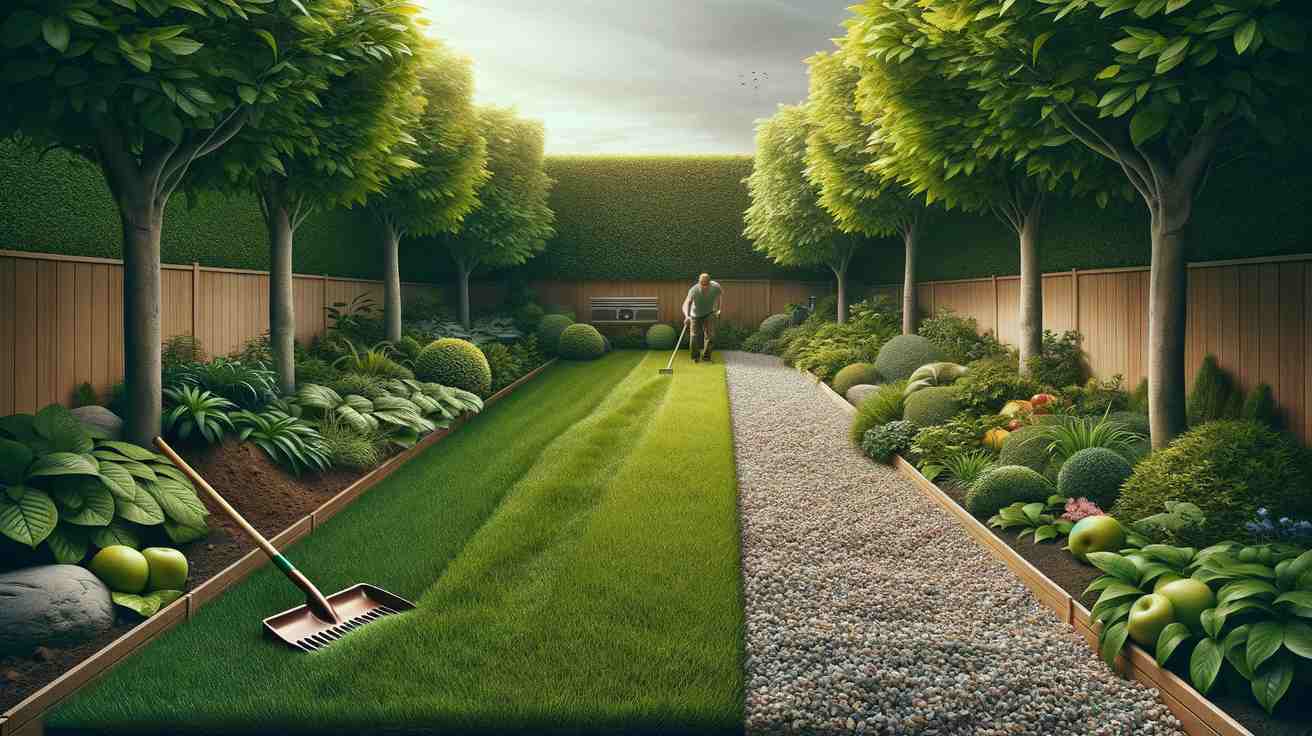
Perhaps one of the most appealing aspects of replacing grass with gravel is the dramatic reduction in maintenance. Traditional lawns demand regular mowing, edging, and trimming. In contrast, a gravel landscape requires minimal upkeep. Occasional weeding and raking are typically sufficient to keep it looking pristine, freeing up time for other pursuits.
Cost-Effectiveness
While the initial installation of a gravel garden may be comparable to that of a traditional lawn, the long-term savings are substantial. Without the need for regular watering, fertilizing, and lawn care services, homeowners can save hundreds, if not thousands, of dollars annually.
Longevity and Durability
Gravel gardens provide a durable landscaping solution that can withstand harsh weather conditions without suffering damage. Unlike grass, which can become patchy and worn, gravel remains consistent in appearance, regardless of the season.
Aesthetic Appeal and Design Flexibility
Diverse Design Options
Gravel offers a versatile aesthetic that can complement a variety of garden styles. From modern minimalist to rustic Mediterranean, gravel serves as a blank canvas, accommodating a range of plantings and decorative elements. The choice of gravel colors and sizes allows for customization that can enhance curb appeal and personal expression.
Enhancing Biodiversity
Replacing grass with gravel doesn't mean sacrificing greenery. In fact, it presents an opportunity to introduce a diverse array of drought-tolerant plants such as succulents, ornamental grasses, and native wildflowers. These plants not only add texture and color to the landscape but also support local wildlife, including pollinators like bees and butterflies.
Creating Functional Spaces
A gravel landscape can be designed to create distinct zones for various activities. Consider incorporating a fire pit, seating area, or even a small vegetable garden. The gravel provides a stable, weed-resistant surface that can be adapted to suit different needs and preferences.
Challenges and Considerations
Initial Installation
Installing a gravel garden requires careful planning and preparation. The existing lawn must be removed, and a weed barrier installed to prevent unwanted growth. Proper drainage must be ensured to avoid water pooling, which can wash away gravel and create uneven surfaces.
Climate Suitability
While gravel gardens are ideal for arid climates, they may not be suitable for regions with heavy rainfall or extreme cold, where gravel can become displaced or icy. It's important to consider local climate conditions when planning your landscape to ensure its success and longevity.
Heat Retention
Gravel can absorb and retain heat, which may create a warmer microclimate, particularly in the heat of summer. This can be mitigated by incorporating shade structures or choosing lighter-colored gravel that reflects sunlight rather than absorbing it.
Implementing a Gravel Garden: Step-by-Step Guide
Planning Your Design
-
Evaluate Your Space: Assess the size and shape of your garden, considering sun and shade patterns, as well as any existing structures or features.
-
Choose Your Gravel: Select gravel based on color, size, and texture that complements your home and desired aesthetic.
-
Design Planting Areas: Plan where you'll incorporate plants, keeping in mind their sunlight and water needs.
Preparing the Ground
-
Remove Existing Lawn: Use a sod cutter or manually dig up turf, ensuring all roots are removed to prevent regrowth.
-
Install a Weed Barrier: Lay down landscape fabric to minimize future weed growth.
-
Ensure Proper Drainage: Add a layer of sand or crushed stone beneath the fabric to facilitate drainage.
Laying Gravel
-
Spread the Gravel: Evenly distribute gravel over the area, using a rake to level and smooth the surface.
-
Secure Edges: Use metal or plastic edging to contain the gravel and prevent it from spreading into unwanted areas.
-
Incorporate Plantings: Dig holes through the gravel and fabric for plants, ensuring they are well-watered after planting.
Gravel Gardens: A Sustainable Future
As we look toward a future increasingly impacted by climate change, the shift from traditional lawns to gravel gardens represents a significant step toward sustainability. By reducing water usage, eliminating chemical dependencies, and promoting biodiversity, gravel gardens offer a practical and beautiful solution for eco-conscious homeowners.
FAQs
-
What are the main benefits of a gravel garden over a traditional lawn? Gravel gardens offer reduced water usage, lower maintenance requirements, and versatility in design, making them an eco-friendly and cost-effective alternative.
-
Can I have plants in a gravel garden? Yes, gravel gardens can accommodate a variety of drought-tolerant plants, enhancing biodiversity and providing visual interest.
-
How do I prevent weeds in a gravel garden? Installing a weed barrier beneath the gravel is crucial to minimizing weed growth. Regular maintenance, such as hand-pulling any emerging weeds, will also help.
-
Will a gravel garden get too hot in summer? Gravel can retain heat, but choosing lighter-colored gravel and incorporating shade elements can mitigate excessive heat buildup.
-
Do gravel gardens require any watering? While gravel itself doesn't require watering, any plants in your garden will need occasional irrigation, especially during dry spells.
-
How do I maintain a gravel garden? Maintenance involves occasional raking to level the gravel and removing any debris or weeds. Regularly checking the edges and replenishing gravel as needed is also recommended.
-
Is a gravel garden suitable for all climates? Gravel gardens are best suited for arid to moderate climates. In areas with heavy rainfall or extreme cold, additional considerations for drainage and stability are necessary.
-
What types of plants thrive in a gravel garden? Drought-tolerant plants such as succulents, ornamental grasses, and native wildflowers are ideal for gravel gardens.
-
How does a gravel garden affect local wildlife? Gravel gardens can enhance local biodiversity by providing habitat for pollinators and other wildlife, especially if native plants are included.
-
Can I convert part of my lawn to gravel instead of the entire area? Absolutely, converting a portion of your lawn to gravel can still provide environmental benefits and create a unique garden feature.
Discussion (0)
No comments yet. Be the first to start the conversation!
Leave a Reply