Drip irrigation and overhead watering have long been staples in the gardener's toolkit, each with its own set of advantages and drawbacks. However, an interesting shift is occurring among experienced gardeners — many who once swore by one method are now championing the other. This change in perspective is not just a matter of preference but is rooted in evolving understandings of water conservation, plant health, and climate adaptability. Let's delve into why these seasoned green thumbs have changed their minds and what it means for your garden.
Understanding Drip Irrigation
What is Drip Irrigation?
Drip irrigation is a highly efficient watering system that delivers water directly to the plant base. It involves a network of tubing, emitters, and connectors that distribute water slowly and evenly, allowing plants to absorb moisture directly at the root level.
Benefits of Drip Irrigation
The shift towards drip irrigation among experienced gardeners is largely due to its precision and resourcefulness:
- Water Efficiency: Drip irrigation can save up to 50% more water compared to traditional methods. By targeting the root zone directly, it minimizes evaporation and runoff.
- Soil Health: This method maintains optimal soil moisture levels, reducing issues like soil erosion and nutrient leaching.
- Reduced Weed Growth: Since water is applied only where it's needed, weed growth is minimized, as surrounding soil remains dry.
- Disease Prevention: By keeping foliage dry, drip irrigation reduces the incidence of leaf and fungal diseases, which thrive in moist environments.
Challenges of Drip Irrigation
Despite its benefits, drip irrigation has its challenges:
- Initial Setup Cost: The installation of a drip system can be costly and labor-intensive, requiring careful planning and layout.
- Maintenance: Emitters can clog over time, especially if the water supply has sediment. Regular maintenance is essential to ensure the system runs smoothly.
- Adaptability: It may not be suitable for all types of landscapes, particularly those with varied plant heights and types.
Exploring Overhead Watering
What is Overhead Watering?
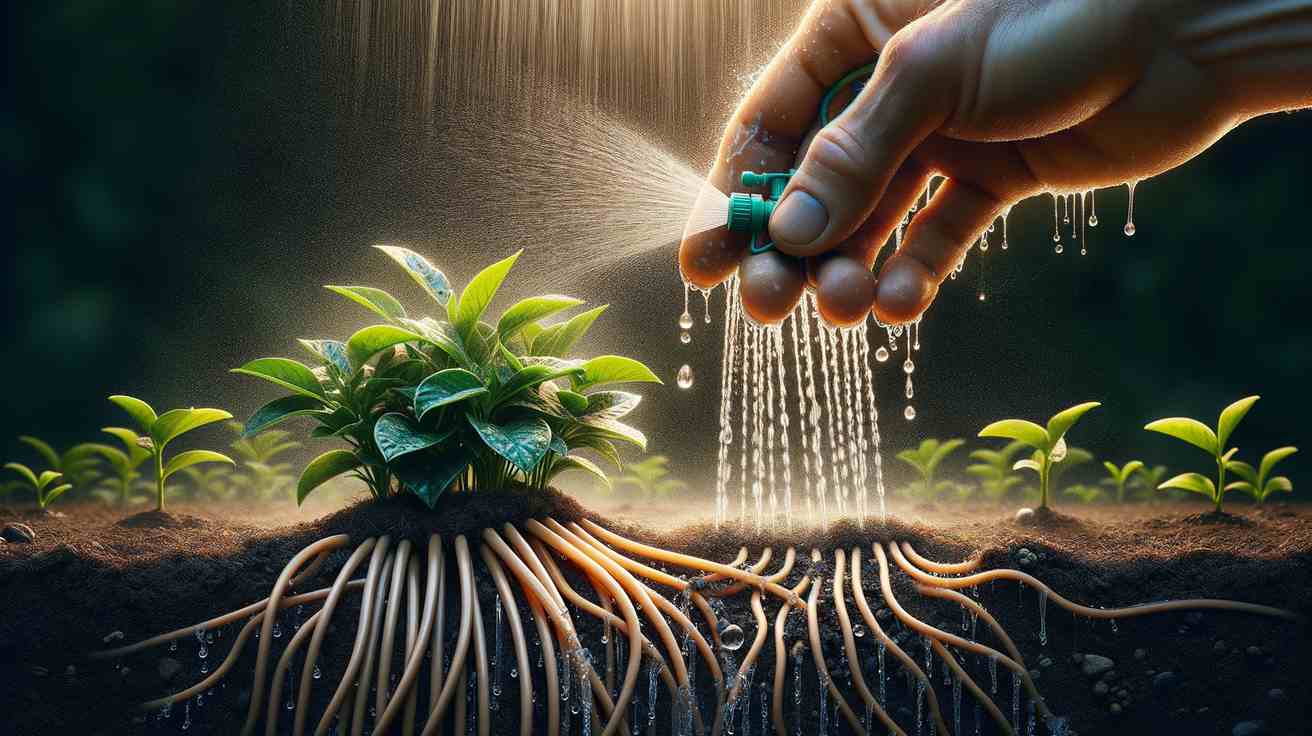
Overhead watering involves dispersing water over plants from above, usually via sprinklers or hoses. This method mimics natural rainfall and can cover large areas quickly and efficiently.
Benefits of Overhead Watering
Many gardeners still favor overhead watering for several reasons:
- Coverage: It's ideal for lawns and broad garden areas, providing uniform moisture over a wide space.
- Ease of Use: Overhead systems are generally easy to install and operate, requiring less precision than drip systems.
- Cooling Effect: On hot days, overhead watering can help cool plants and the surrounding environment, reducing heat stress.
Drawbacks of Overhead Watering
The reasons some gardeners are moving away from overhead watering include:
- Water Waste: A significant portion of water can be lost to evaporation and wind drift before it even reaches the soil.
- Disease Risk: Watering from above can wet foliage, promoting the growth of mildew and other diseases.
- Inefficiency in Certain Climates: In regions with high humidity or strong winds, overhead watering becomes less effective.
Why Experienced Gardeners Are Switching Sides
Climate Considerations
With climate change altering weather patterns, gardeners are finding that traditional watering methods may no longer suit their local conditions. In areas experiencing increased drought conditions, the water-saving benefits of drip irrigation become invaluable. Conversely, in regions where water scarcity is less of an issue, the simplicity and coverage of overhead watering may still be preferred.
Cost and Resource Management
As water becomes a more precious resource, the economic benefits of drip irrigation are more apparent. Gardeners who once balked at the initial costs of drip systems are now recognizing the long-term savings in water bills and plant health.
Technological Advancements
Advancements in both drip and overhead systems have made them more efficient and user-friendly. Smart irrigation controllers, moisture sensors, and improved materials make it easier for gardeners to optimize water use, regardless of the system they choose.
Making the Right Choice for Your Garden
Assessing Your Garden's Needs
The best watering system for your garden depends on several factors:
- Plant Type: Vegetables and shrubs often benefit from drip irrigation, while lawns and flower beds might thrive under overhead systems.
- Soil Type: Sandy soils may require more frequent watering, making the precision of drip irrigation advantageous, while clay soils might benefit from the thorough soaking overhead systems provide.
- Climate: Consider local rainfall, humidity, and temperature patterns when choosing a watering method.
Combining Methods
Many experienced gardeners are now using a hybrid approach, combining both drip and overhead watering systems to suit different areas of their garden. This flexibility allows them to maximize efficiency and address the particular needs of various plants and landscapes.
Maintenance Tips
Regardless of the system chosen, regular maintenance is crucial:
- For Drip Systems: Check for clogs, leaks, and ensure emitters are positioned correctly.
- For Overhead Systems: Inspect for even water distribution and adjust sprinkler heads as needed to prevent water waste.
Conclusion
The shift in watering preferences among seasoned gardeners underscores a broader trend towards sustainability and adaptability. By understanding the strengths and weaknesses of both drip irrigation and overhead watering, you can make informed decisions that benefit both your garden and the environment.
FAQs
-
What is the main advantage of drip irrigation over overhead watering?
- Drip irrigation is more water-efficient, delivering moisture directly to the plant roots with minimal evaporation.
-
Can I combine drip and overhead watering systems in my garden?
- Yes, combining both systems can optimize watering efficiency and cater to different plant needs.
-
How often should I maintain my drip irrigation system?
- Regular checks for clogs and leaks should be part of your routine, ideally every few weeks during peak growing seasons.
-
Is overhead watering suitable for all climates?
- It works best in areas without high winds or humidity, which can lead to water wastage and disease.
-
Do drip systems work well for lawns?
- Drip systems are generally not recommended for lawns due to their need for uniform surface moisture.
-
How can I prevent disease when using overhead watering?
- Water in the early morning to allow foliage to dry quickly, reducing the risk of disease.
-
What initial costs are associated with drip irrigation?
- Costs include tubing, emitters, connectors, and possibly professional installation, though DIY kits are available.
-
Can garden size affect my choice of watering system?
- Yes, larger areas may benefit from overhead systems for efficiency, while smaller, diverse gardens might do better with drip irrigation.
-
How does soil type influence watering method choice?
- Sandy soils, which drain quickly, are often better suited to drip irrigation, while heavy clay soils may benefit from overhead watering's soaking ability.
-
Are there eco-friendly options for overhead watering?
- Yes, smart controllers and efficient sprinkler heads can reduce water use in overhead systems.
Discussion (0)
No comments yet. Be the first to start the conversation!
Leave a Reply