
A Story of Unexpected Loss and New Beginnings
It's a scene that plays over in my mind every spring. The sun was beaming down, casting its warm embrace over my tranquil backyard. Birds chirped melodiously, painting the perfect auditory backdrop to what I hoped would be my most successful gardening season. The desert of winter had rolled back its icy fingers, and everything felt ripe with potential. My excitement was palpable as I set to work, convinced that this year, my garden would yield its most bountiful harvest yet.
Weeks passed, and the first signs of life began to peek through the tilled soil. Green sprouts emerged, and my heart swelled with pride. But then, the unthinkable happened. A sudden spell of cold weather swept in overnight. I woke up to see my once-promising seedlings wilted and browned—a gut-wrenching blow that dampened my spirits.
In that moment, I realized my mistake: I had transplanted too eagerly, misjudging the steadfastness of frost. What followed was a period of reflection and learning, culminating in this guide—a blueprint to avoid the pitfalls of premature gardening enthusiasm. My hope is that you, too, can learn from these missteps and cultivate a flourishing garden.
The Perils of Premature Planting
One of the most common missteps that occurs during the spring gardening season is the temptation to plant too soon. The excitement of seeing the first burst of sunshine and mild temperatures can easily deceive even seasoned gardeners into rushing the process. However, those early warm days can be misleading, and failing to heed local climate cues can spell disaster for your budding garden.
Understanding Your Growing Zone
The best way to time your planting is by understanding your local growing zone. The USDA Hardiness Zone Map is an essential reference, categorizing regions based on their average annual minimum winter temperature. This information provides a starting point for determining when and what to plant.
The Importance of Last Frost Dates
Once you know your zone, familiarize yourself with the average last frost date. This is critical as planting too early might expose your tender plants to a surprise frost, which can severely hinder growth or even cause death. Consider investing in a frost blanket or row covers for added protection if unexpected cold snaps occur after planting.
Soil Preparation Secrets
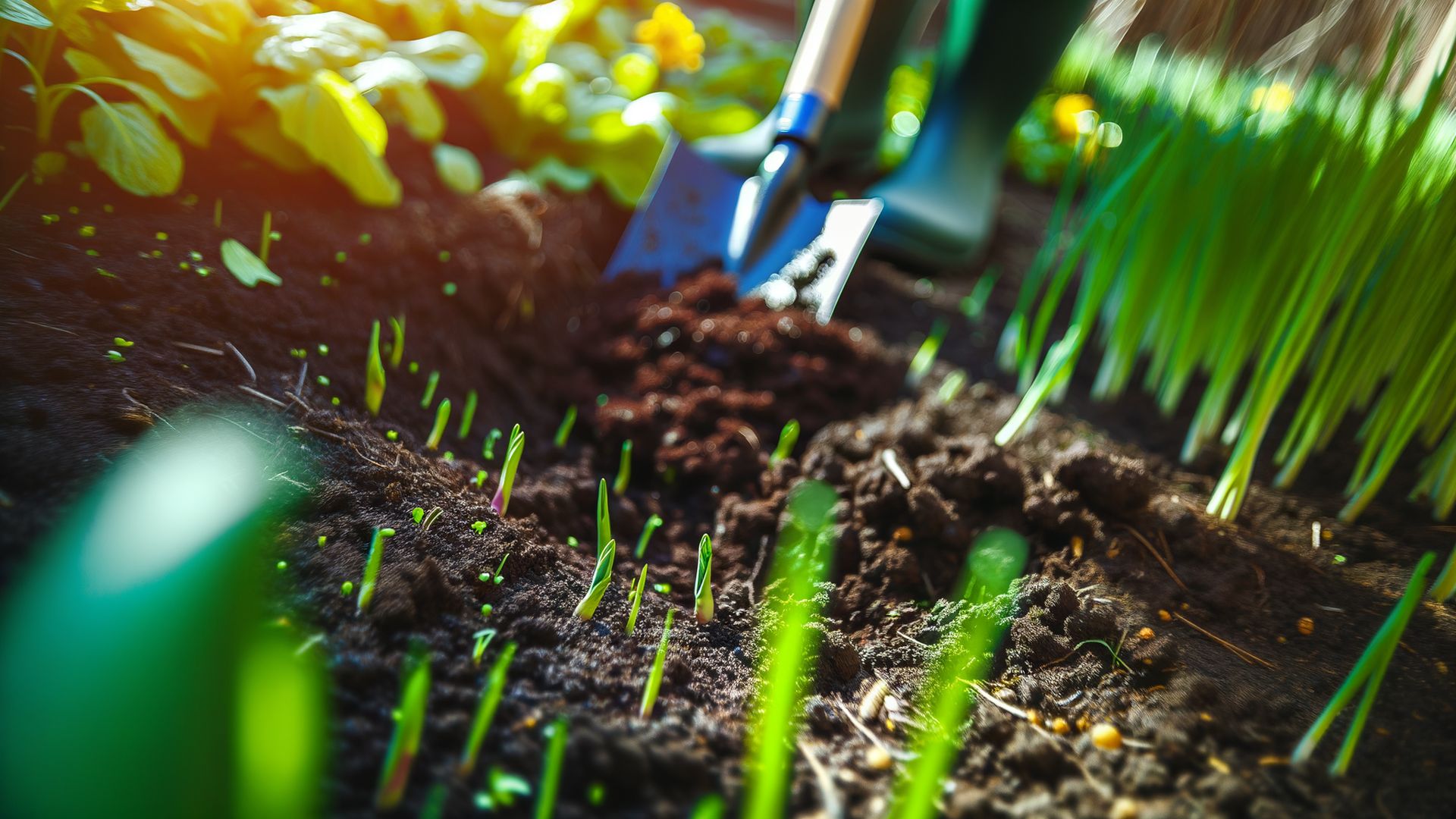
The foundation of any successful garden is well-prepared soil. Before planting even a single seed, ensuring your garden bed is ready for action is crucial.
Testing Your Soil
A soil test is a straightforward method to assess the nutrient composition and pH level. Soil testing kits are widely available at gardening centers and will provide guidance on what amendments your soil might need. Your local cooperative extension service can also offer assistance and detailed insights.
Amending and Enriching Your Soil
Based on your soil test findings, you might need to add organic matter—such as compost or well-rotted manure—to improve fertility and structure. Soil amendments enhance aeration, drainage, and water retention and supply essential nutrients, thereby creating an optimal environment for plant roots.
Planting with Precision
Embarking on a successful gardening journey involves more than just burying seeds. Properly timing and spacing are crucial for ensuring your plants have the best opportunity to thrive.
Timing Your Planting
Observe the germination characteristics specific to each plant. Some crops, such as peas, lettuce, and spinach, prefer cooler temperatures and can be planted earlier. In contrast, temperature-sensitive varieties like tomatoes and peppers require warmer soil to germinate successfully.
Strategic Plant Spacing
Adhering to the recommended spacing guidelines for each crop ensures that your plants have sufficient room to grow. Overcrowding can lead to competition for nutrients and sunlight, resulting in weaker plants and reduced yields.
Protecting with Care
Even after mastering planting strategies, young seedlings are vulnerable to various threats. Implementing protective measures to shield them from pests and inclement weather is vital.
Pest Prevention Tactics
Common pests such as aphids, snails, and beetles can wreak havoc on a burgeoning garden. Implement organic pest control measures, like companion planting, using beneficial insects, or applying natural deterrents, to keep them at bay.
Weather-Proofing Your Garden
Consider using cloches or temporary greenhouses to protect delicate plants from unexpected weather fluctuations. These structures are especially helpful in transitional periods when temperatures can be unpredictable.
Harvesting Abundance
The long-awaited reward of nurturing a garden is reaping its lush bounty. Harvesting at the optimal time is essential to make the most of your efforts.
Knowing When to Harvest
Each plant has unique ripening signs indicating optimal harvest time. For instance, with tomatoes, look for a uniform deep color and slight softness. Overripe produce can lose flavor, while underripe vegetables might lack nutrients or remain tough.
Efficient Harvesting Techniques
Gently using clean, sharp tools while picking produce prevents unnecessary damage. Consistent surveillance of your plants also helps spot ripeness early and catch any signs of distress before they worsen.
Growing a Sustainable Future
Gardening is a practice teeming with life lessons, rooted deeply in patience, perseverance, and respect for the earth. Consider adopting eco-friendly practices to keep your garden and the planet healthy.
Embracing Organic Methods
Employing organic gardening techniques minimizes the risk of harmful chemical exposure to both your plants and the surrounding environment. Rotating crops and using natural fertilizers and pest control contribute to a sustainable growing cycle.
Saving Seeds
Seed-saving is an age-old tradition that preserves plant varieties and helps you become more self-reliant as a gardener. Collect seeds from your most successful plants at the end of each season to ensure a fresh start for future gardens.
FAQs
-
What is the most common spring gardening mistake?
The most common mistake is planting too early before the threat of frost has passed, risking damage to tender seedlings.
-
How can I determine my local growing zone?
You can determine your growing zone using the USDA Hardiness Zone Map, which categorizes regions based on their average annual minimum winter temperature.
-
Why is soil testing important?
Soil testing is crucial to understanding the nutrient composition and pH level of your soil, allowing for precise amendments to optimize plant growth.
-
Which plants can be safely planted early in cooler temperatures?
Cool-season crops like peas, lettuce, and spinach can often be planted before the last frost date.
-
What are some natural pest control methods?
Companion planting, using beneficial insects, and applying natural deterrents such as neem oil are effective organic pest control methods.
-
How can I protect my garden from unexpected frosts?
Using frost blankets, row covers, cloches, or temporary greenhouses can shield plants from sudden frost.
-
What indicates that a plant is ready for harvest?
Specific ripeness signs vary, but generally, vibrant color, size consistent with maturity, and firmness (or softness as appropriate) indicate harvest readiness.
-
How does crop rotation benefit a garden?
Crop rotation prevents soil depletion and disrupts pest and disease cycles, promoting healthier plant growth over time.
-
What is the benefit of using compost in a garden?
Compost enriches soil with nutrients, improves soil structure, and enhances water retention, supporting robust plant growth.
-
How can I practice sustainability in my gardening routine?
Embrace organic methods, save seeds, rotate crops, and responsibly use water and resources to maintain a sustainable gardening practice.
Discussion (0)
No comments yet. Be the first to start the conversation!
Leave a Reply