
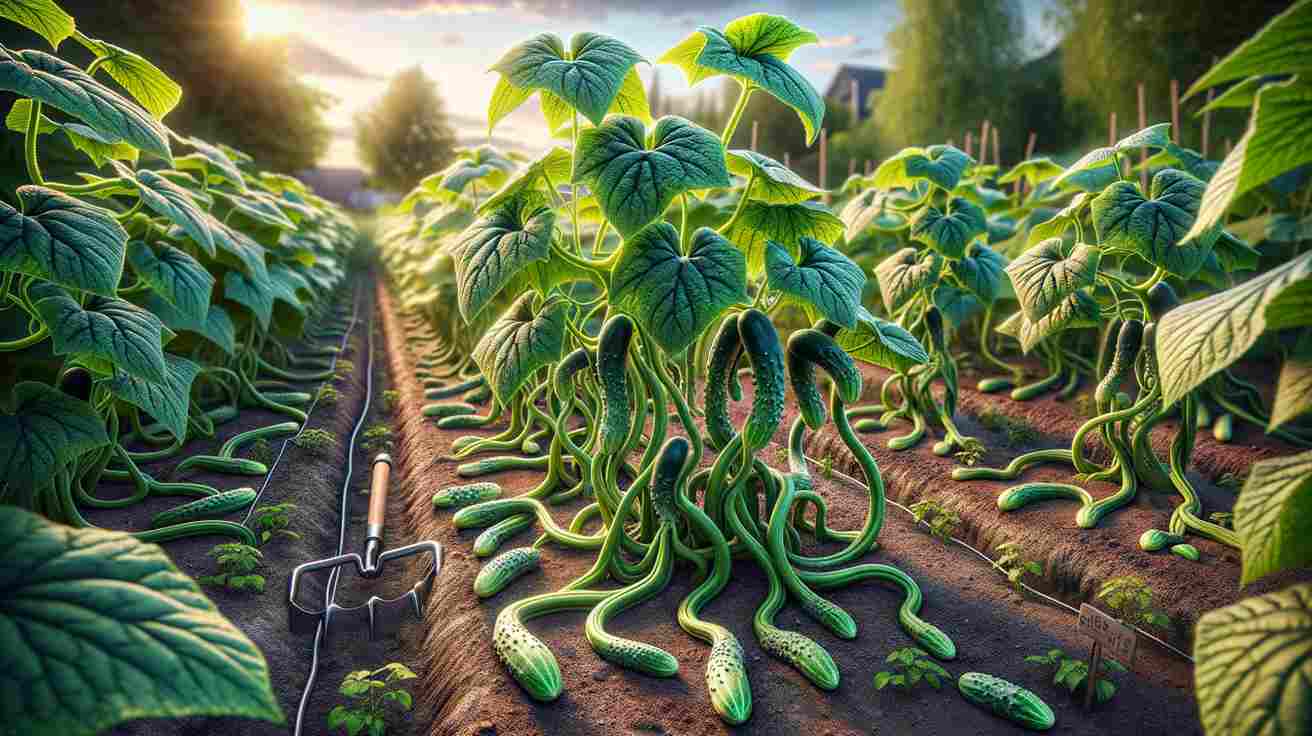
Cucumbers are a crisp, refreshing staple in summer gardens, yet they can sometimes present an unexpected challenge. You might eagerly anticipate a bountiful harvest, only to find your cucumbers growing crooked and deformed. This common issue can be puzzling and frustrating for gardeners both new and seasoned. The key to preventing these misshapen fruits often boils down to one critical factor: your plant is missing essential pollination. Let's delve into why proper pollination is crucial and how you can ensure your cucumbers grow straight and healthy.
Understanding Cucumber Pollination
The Basics of Cucumber Pollination
Cucumbers rely heavily on pollination to develop properly. This process involves the transfer of pollen from the male flowers to the female flowers, which are the ones that produce the fruit. Inadequate pollination can lead to uneven growth, resulting in those unruly, misshapen cucumbers that can be a gardener's nightmare.
Identifying Male and Female Flowers
Cucumber plants produce both male and female flowers. Male flowers typically appear first and are more numerous. They have thin stems and are primarily there to provide pollen. Female flowers, on the other hand, have a small swelling at the base, which is the nascent cucumber. For successful fruit development, pollen from the male flower must reach the stigma of the female flower.
Causes of Poor Pollination
Insufficient Pollinator Activity
One common cause of poor pollination is a lack of pollinator activity. Bees and other pollinators are crucial for transferring pollen between flowers. Factors such as pesticide use, lack of floral diversity, or adverse weather conditions can reduce bee populations and activity in your garden.
Environmental Factors
Extreme temperatures, high humidity, or excessive rain can all impede pollination. Bees are less active in such conditions, which can lead to fewer visits to your cucumber flowers.
Plant Stress
Plants under stress from lack of water, poor soil nutrition, or pest pressure may not produce robust flowers, further hindering the pollination process.
Enhancing Pollination for Better Cucumber Growth
Attracting Pollinators
To improve pollination, start by creating a pollinator-friendly environment. Plant a variety of flowering plants to attract bees and other beneficial insects. Native wildflowers, herbs, and even some ornamental plants can serve as excellent companions to your cucumber plants.
Hand Pollination Techniques
If natural pollination isn't sufficient, hand pollination is an effective technique. Using a small, soft brush or even a cotton swab, gently transfer pollen from the male flower to the female flower. This method can significantly increase your chances of developing well-formed cucumbers.
Optimizing Growing Conditions
Ensure your cucumbers have optimal growing conditions. Maintain consistent soil moisture, provide adequate nutrients, and protect plants from pests. Healthy plants are more likely to produce flowers that attract pollinators.
Additional Factors Affecting Cucumber Shape
Nutritional Deficiencies
While pollination is often the primary factor, other issues can contribute to deformed cucumbers. Nutritional deficiencies, particularly a lack of potassium, can affect the plant's ability to develop fruit properly. Potassium is essential for fruit development, so make sure your soil is well-balanced in nutrients.
Watering Practices
Consistent watering is crucial. Irregular watering can lead to stress on the plant, which might affect fruit development. Use mulch to retain soil moisture and water deeply but infrequently to encourage strong root growth.
Pest and Disease Management
Pests such as cucumber beetles and diseases like powdery mildew can also impact cucumber development. Regularly monitor your plants and use organic pest control methods to keep these issues at bay.
FAQs
-
Why are my cucumbers growing in odd shapes?
- Poor pollination is often the cause, along with possible nutrient deficiencies and irregular watering.
-
How can I tell if my cucumber flowers are pollinated?
- After successful pollination, the swelling at the base of the female flower will develop into a cucumber.
-
What role do bees play in cucumber pollination?
- Bees transfer pollen from male to female flowers, which is essential for fruit development.
-
Can I grow cucumbers without bees?
- Yes, through hand pollination. Use a soft brush to transfer pollen if pollinators are scarce.
-
What are the ideal conditions for growing cucumbers?
- Cucumber plants thrive in well-drained soil, with consistent moisture and full sun exposure.
-
How do I improve soil for cucumber plants?
- Add organic matter like compost and ensure balanced nutrients, especially potassium.
-
What flowers attract bees to my cucumber plants?
- Native wildflowers, herbs like basil and lavender, and flowering annuals attract bees.
-
How often should I water my cucumber plants?
- Water deeply once a week, increasing frequency during dry spells.
-
What pests commonly affect cucumbers?
- Cucumber beetles, aphids, and spider mites are common pests.
-
How can I prevent diseases in my cucumber plants?
- Use resistant varieties, rotate crops, and maintain good air circulation to prevent disease.
Discussion (0)
No comments yet. Be the first to start the conversation!
Leave a Reply