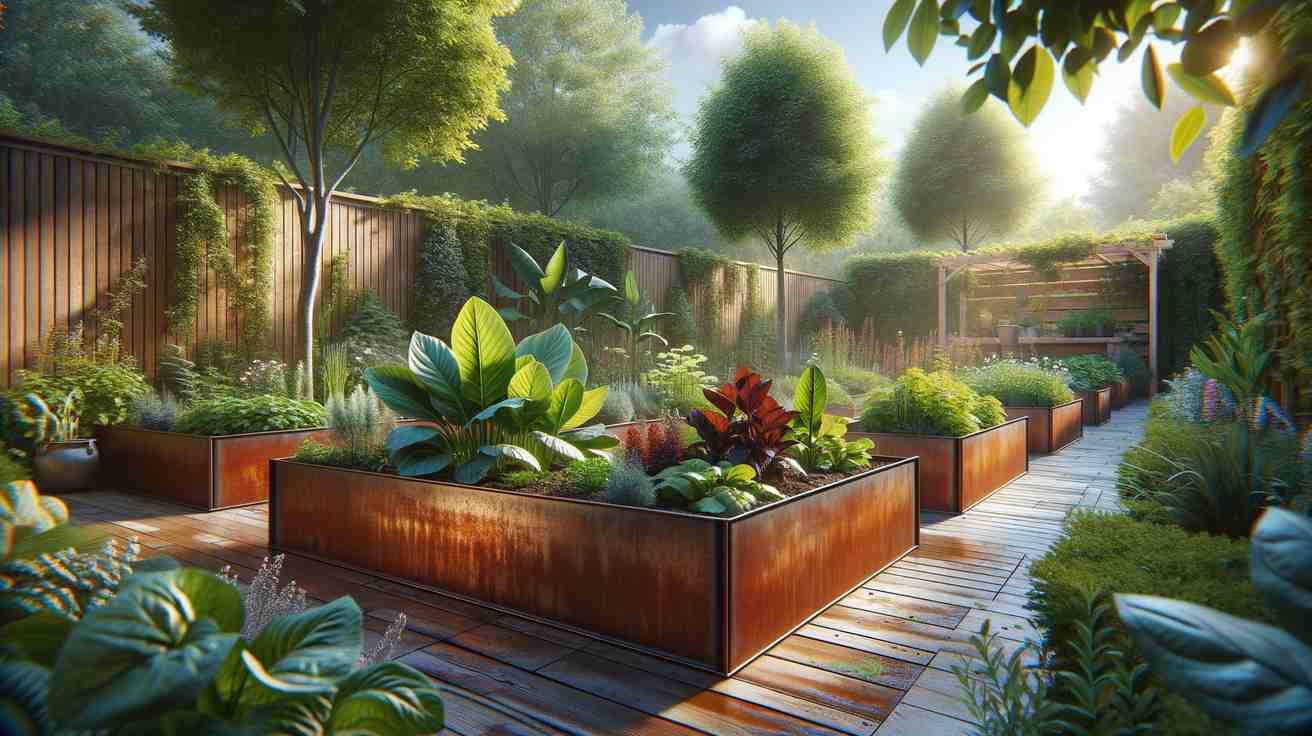
Corten steel raised beds have taken the gardening world by storm, becoming a prevalent feature in gardens across the globe by 2026. With their industrial aesthetic and promises of durability, they seem to offer an irresistible allure. But as with all gardening trends, it's crucial to delve beyond the surface appeal and assess whether these rust-colored beauties truly live up to the hype. Are they a fleeting trend, or do they provide tangible benefits that justify their growing popularity?
The Allure of Corten Steel Raised Beds
Corten steel, also known as weathering steel, is a group of steel alloys that form a stable rust-like appearance when exposed to the weather. This unique characteristic makes it an attractive option for gardeners. But what makes Corten steel raised beds so enticing?
Aesthetic Appeal
One of the most compelling reasons gardeners are drawn to Corten steel is its distinct appearance. The rich, warm hues blend seamlessly into natural landscapes, providing a modern yet earthy aesthetic that complements a variety of garden styles. Over time, the steel develops a protective layer of rust that prevents further corrosion, ensuring the structure's longevity.
Durability and Longevity
Unlike other materials such as wood, which can rot, or plastic, which may degrade under UV light, Corten steel is known for its durability. Its ability to withstand various weather conditions makes it an ideal choice for gardeners looking for a long-lasting solution. The initial investment might be higher than other materials, but the promise of longevity is a significant selling point.
Versatility in Design
Corten steel raised beds are available in a myriad of shapes and sizes, allowing for creative garden designs. Their modular nature means they can be configured in numerous ways, accommodating both small urban gardens and expansive rural landscapes. This flexibility makes them suitable for growing a wide range of plants, from vegetables to ornamentals.
The Practical Considerations
While the benefits of Corten steel raised beds are compelling, it's essential to consider the practical aspects of integrating them into your garden.
Cost
Corten steel is generally more expensive than traditional materials like wood or plastic. The cost can vary depending on the size and thickness of the steel used. However, it's worth considering the long-term investment. Given their durability, Corten steel beds may prove to be more cost-effective over time than cheaper materials that require frequent replacement.
Installation
These raised beds are relatively easy to install, especially if you purchase pre-fabricated kits. However, due to the weight of the material, larger installations may require some assistance or even professional help. It's crucial to ensure the placement is permanent, as moving these heavy structures can be challenging once they're filled with soil.
Soil Health
One potential concern with metal raised beds is the impact on soil temperature. Corten steel can conduct heat, which may benefit plants in cooler climates by warming the soil earlier in the spring. However, in hotter regions, it could lead to overheating, stressing the plants. It's advisable to monitor soil temperature and implement strategies like mulching to maintain a stable environment for plant roots.
Environmental Impact
In today's gardening world, sustainability is a key consideration. Corten steel raises questions about its environmental impact.
Production and Recyclability
The production of steel involves significant energy use, which is a consideration for environmentally conscious gardeners. However, Corten steel is fully recyclable, and its longevity means it won't need replacing frequently, potentially offsetting the initial environmental cost of production.
Interaction with Soil and Water
Some gardeners express concern about the potential for metal leaching into the soil and water. Research indicates that the protective rust layer prevents significant leaching, making it safe for growing edibles. Nevertheless, it's wise to line the interior of the beds with a non-permeable barrier to further mitigate any risks, especially if you have particularly acidic soil.
Comparing Corten Steel to Other Materials
When choosing the right material for raised beds, it's helpful to compare Corten steel with other popular options.
Wood
Wood is a classic choice for raised beds due to its natural appearance and ease of use. However, it is prone to rot, especially if untreated, and requires regular maintenance. Corten steel, on the other hand, offers greater longevity and minimal maintenance.
Plastic
Plastic raised beds are lightweight and inexpensive, but they can degrade over time, especially with prolonged sun exposure. They can also be less aesthetically pleasing compared to the rich tones of Corten steel.
Stone
Stone is another durable option that shares Corten steel's longevity. However, stone can be costly and labor-intensive to install. Corten steel provides a more modern aesthetic and easier installation without sacrificing durability.
Are Corten Steel Raised Beds Worth It?
In considering whether Corten steel raised beds are worth the investment, gardeners should weigh their unique benefits against potential drawbacks.
Pros
- Durability: Long-lasting and resistant to weathering.
- Aesthetic appeal: Distinctive rust-like finish that enhances garden design.
- Low maintenance: Minimal upkeep compared to wood or plastic.
- Environmental consideration: Fully recyclable with minimal impact on soil health.
Cons
- Higher initial cost: More expensive than traditional materials.
- Installation challenges: Heavier material may require assistance for setup.
- Soil temperature concerns: Potential to overheat in hot climates.
Ultimately, the decision to invest in Corten steel raised beds should be guided by your specific gardening needs, climate, and aesthetic preferences. If you're looking for a durable, low-maintenance, and visually striking option and are willing to invest upfront, Corten steel could be a worthwhile addition to your garden.
FAQs
1. How long do Corten steel raised beds last? Corten steel raised beds can last for several decades due to their durable nature and resistance to weathering.
2. Do Corten steel raised beds require any maintenance? They require minimal maintenance compared to other materials. Occasionally, you may need to brush off any excessive rust if desired.
3. Can I grow vegetables in Corten steel raised beds? Yes, Corten steel is safe for growing vegetables, as the protective rust layer prevents significant metal leaching.
4. How does Corten steel affect soil temperature? Corten steel can conduct heat, potentially warming the soil in cooler climates but possibly overheating it in hotter regions.
5. Are there any environmental concerns with Corten steel? While the production of steel involves energy use, Corten steel is fully recyclable, and its long lifespan offsets some environmental concerns.
6. Can I move Corten steel raised beds after installation? Due to their weight, moving Corten steel raised beds after installation can be challenging and typically requires assistance.
7. Do Corten steel raised beds come in different sizes? Yes, they are available in various sizes and can be customized to fit specific garden layouts.
8. Is there a risk of rust staining in my garden? While Corten steel develops a rust layer, it's generally stable. Any initial runoff can be minimized by proper placement and drainage.
9. How do I prevent the soil from overheating in Corten steel beds? Use mulch or shade cloth to help regulate soil temperature and protect plant roots from excessive heat.
10. Are Corten steel raised beds suitable for all climates? They are versatile but may require additional measures in very hot or very cold climates to ensure optimal plant health.
Discussion (0)
No comments yet. Be the first to start the conversation!
Leave a Reply