Barkitecture, a delightful fusion of gardening and architecture specifically designed for pets, is set to be the garden trend of 2026 that every pet owner is raving about. As more people consider their pets as integral members of the family, they are seeking innovative ways to incorporate their furry friends into outdoor spaces. This trend not only enhances the aesthetic appeal of gardens but also ensures that pets have a safe, enriching environment to enjoy. Let's delve into what Barkitecture is and how you can adapt it to create a pet-friendly oasis in your own backyard.
Understanding Barkitecture
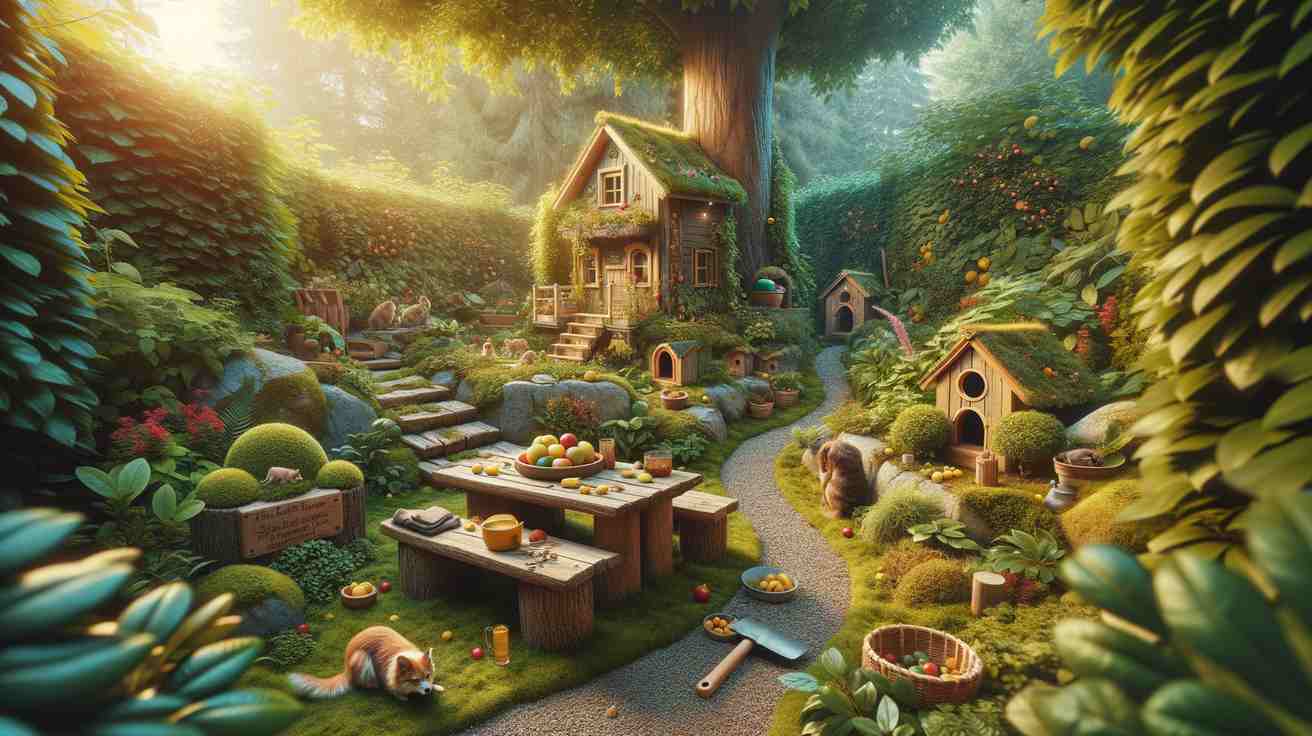
Barkitecture combines the art of garden design with pet-friendly structures, creating spaces that cater to both human and animal needs. Think of it as a pet-friendly landscape architecture that prioritizes safety, comfort, and enrichment for animals, while maintaining or enhancing the beauty of your garden. This approach can involve integrating existing structures with pet-friendly elements or creating new designs specifically for pets.
The Philosophy Behind Barkitecture
The core philosophy of Barkitecture is the integration of pets' natural behaviors with the design elements of a garden. It's about understanding that pets are not merely visitors in our gardens but dynamic inhabitants whose needs can dictate the flow and function of outdoor spaces. This means providing them with areas to play, explore, rest, and observe the world safely and comfortably.
Designing a Barkitecture Space
Creating a Barkitecture-inspired garden involves thoughtful planning and a keen understanding of your pet's habits and preferences. Here are the essential components to consider:
Pet-Safe Plants and Materials
When designing a pet-friendly garden, choosing non-toxic plants is crucial. Many common garden plants, like azaleas and lilies, are toxic to pets. Instead, opt for pet-safe varieties such as bamboo, snapdragons, and sunflowers. Additionally, use natural, non-toxic materials for structures and avoid chemicals in fertilizers and pest control.
Enrichment Features
Incorporate features that stimulate your pet's senses and encourage natural behaviors:
-
Digging Zones: Designate a specific area filled with loose soil or sand where dogs can dig freely without disrupting the rest of your garden.
-
Climbing Structures: For cats, consider vertical spaces such as cat trees or platforms, allowing them to climb and observe their surroundings.
-
Water Features: Install pet-friendly water features like shallow ponds or fountains that provide hydration and a playful element for dogs.
Comfort and Shelter
Pets need shaded areas and shelters to escape the elements. Consider installing:
-
Pergolas or Awnings: These structures provide shade and can be adorned with climbing plants for added beauty.
-
Pet Houses: Custom-built pet houses can offer refuge during rain or heat, keeping your pets comfortable year-round.
Implementing Barkitecture for Different Pets
Each type of pet has unique needs that should be taken into account when designing a Barkitecture space.
For Dogs
Dogs are social animals that love to run, dig, and play. Here are some elements to include:
-
Paths and Trails: Create winding paths using durable materials like stone or brick, encouraging exploration.
-
Agility Equipment: Install tunnels, ramps, and hoops for exercise and fun.
-
Interactive Toys: Scatter durable toys around the garden to keep your dog entertained.
For Cats
Cats require spaces that cater to their instincts to climb, scratch, and hide:
-
Vertical Spaces: Use trees, cat towers, or shelving to allow climbing and perching.
-
Scratching Posts: Integrate scratching posts made of sisal or wood to prevent damage to other structures.
-
Hiding Spots: Create cozy nooks or dens where cats can retreat and feel secure.
For Small Pets
Small animals like rabbits, guinea pigs, and birds also benefit from a Barkitecture approach:
-
Protected Runs: Ensure any outdoor spaces are enclosed and protected from predators.
-
Natural Habitats: Incorporate elements that mimic their natural environment, such as tunnels or grass beds.
-
Safe Zones: Use mesh or fencing to create safe boundaries, preventing escape and ensuring safety.
Maintaining Your Barkitecture Garden
A Barkitecture garden requires regular maintenance to ensure it remains safe and enjoyable for your pets.
Routine Checks
-
Inspect Structures: Regularly check for wear and tear on all structures, ensuring they remain safe and sturdy.
-
Monitor Plant Growth: Trim overgrown plants that may obstruct paths or create hidden dangers.
-
Clean Water Features: Ensure water features are clean and functioning properly to prevent stagnation and algae growth.
Seasonal Adjustments
-
Winter Preparations: Insulate pet houses and add additional bedding to keep pets warm during colder months.
-
Summer Cooling: Ensure plenty of shade and water are available to prevent heatstroke in warmer weather.
Conclusion
Barkitecture represents a shift towards more inclusive and thoughtful garden designs that prioritize the well-being of our beloved pets. By integrating pet-friendly elements into your garden, you create a harmonious space that is both functional and beautiful. As you embark on your Barkitecture journey, remember that the best designs come from observing your pet's behaviors and preferences, ensuring their happiness and safety in your shared outdoor haven.
FAQs
-
What is Barkitecture? Barkitecture is a garden design trend focusing on creating pet-friendly outdoor spaces that incorporate safety, comfort, and enrichment for pets.
-
Are there specific plants I should avoid in a Barkitecture garden? Yes, avoid toxic plants like azaleas, lilies, and daffodils. Opt for pet-safe plants such as bamboo, snapdragons, and sunflowers.
-
How can I make my garden safe for my pets? Use non-toxic materials, secure boundaries, and avoid harmful chemicals in fertilizers and pest control.
-
What features should I include for dogs? Create paths, agility equipment, and provide interactive toys. Ensure there are shaded areas and water features for cooling.
-
How can I create a space for my cat in the garden? Incorporate vertical spaces, scratching posts, and hiding spots. Ensure there are safe zones for rest and observation.
-
What should I consider for small pets like rabbits or guinea pigs? Design protected runs, natural habitats, and safe zones with mesh or fencing to prevent escape and ensure safety.
-
How often should I maintain my Barkitecture garden? Conduct routine checks for structural integrity, monitor plant growth, and clean water features regularly.
-
What seasonal adjustments do I need to make? Insulate pet houses in winter and ensure adequate shade and water in summer.
-
Can I integrate Barkitecture into a small garden? Yes, even small gardens can incorporate Barkitecture principles by focusing on vertical spaces and multifunctional elements.
-
Is Barkitecture suitable for all pets? Yes, Barkitecture can be adapted for dogs, cats, birds, and small mammals by considering their specific needs and behaviors.
Discussion (0)
No comments yet. Be the first to start the conversation!
Leave a Reply