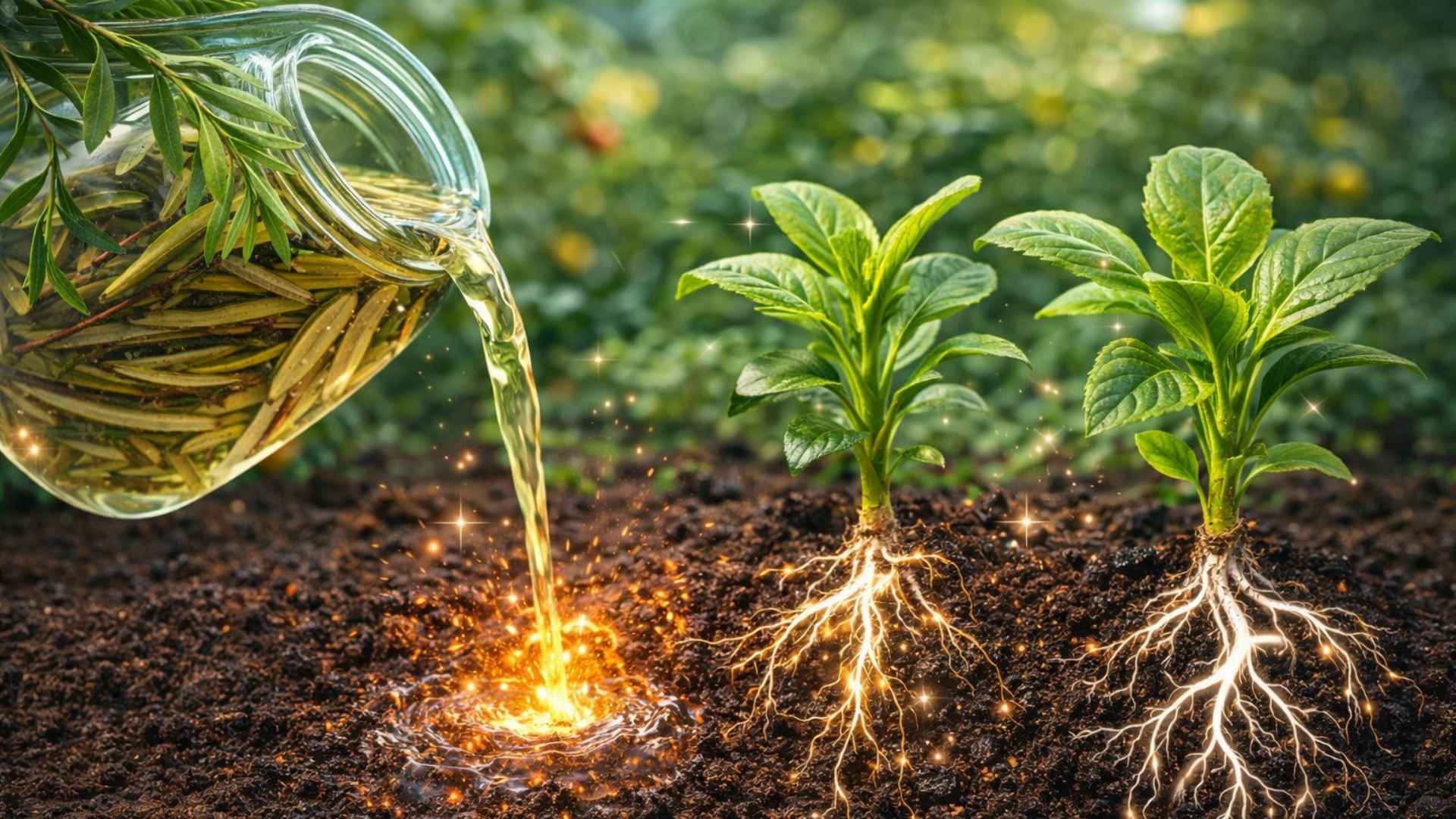


When gardeners ask “Which fertilizer is best for plant growth?”, they usually expect a simple answer: nitrogen.
And yes—nitrogen is the engine of growth. But the full truth is more nuanced.
Plant growth is not just about pushing leaves fast. It is about building chlorophyll efficiently, keeping roots active, maintaining balance with water and minerals, and avoiding stress that stops growth altogether. The right fertilizer supports growth without forcing it.
This article is a complete, practical compendium explaining which fertilizers truly stimulate growth, how they work, and how to apply them wisely to vegetables, fruit plants, ornamental shrubs, and flowers—without damaging soil or plants.
What “growth” really means in plants
Growth is not a single process. When a plant grows well, several things happen at once:
- new leaves are formed and expand properly
- chlorophyll production increases (deep green color)
- roots continue to explore soil and absorb water
- cell walls remain elastic but strong
- photosynthesis runs efficiently
A fertilizer that promotes growth must therefore:
- supply nitrogen,
- support root activity,
- avoid salinity stress,
- and work in harmony with soil life.
Pushing nitrogen alone, especially in mineral form, often leads to fast but weak growth—lush leaves, thin tissues, delayed flowering, and higher disease pressure.
Nitrogen – the foundation of plant growth
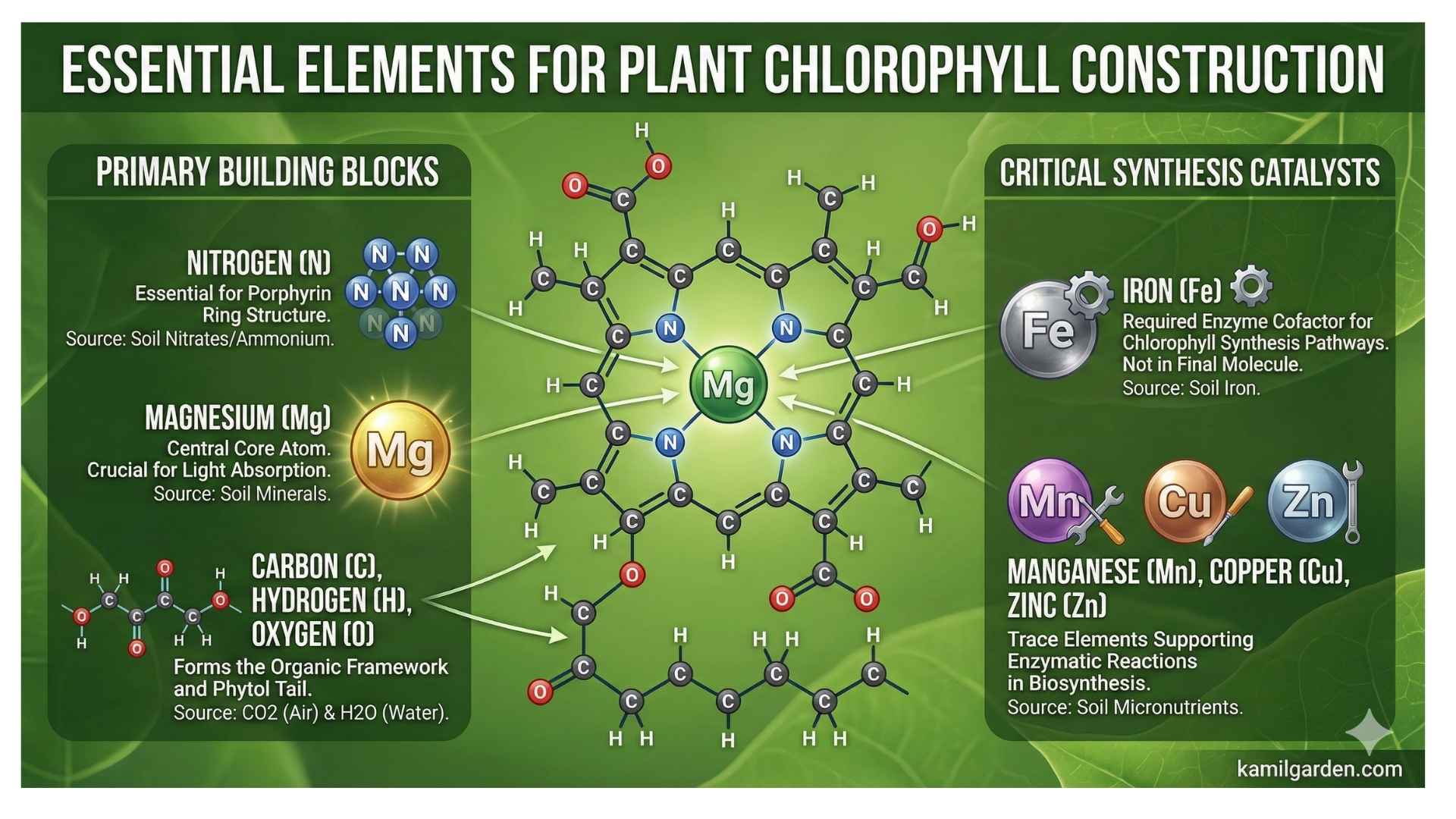
Nitrogen is essential because it is a core component of:
- chlorophyll (photosynthesis),
- amino acids (proteins),
- enzymes,
- and nucleic acids.
Without enough nitrogen, plants:
- turn pale or yellow,
- grow slowly,
- produce small leaves,
- stall early in the season.
That is why nitrogen-based fertilizers are the primary tools for stimulating growth.
However, how nitrogen is delivered matters more than how much.
The most natural growth fertilizer: nettle-based nitrogen
One of the most effective and biologically balanced nitrogen fertilizers is fermented nettle fertilizer.
It supplies nitrogen in forms plants can absorb quickly, while also delivering:
- iron (important for chlorophyll),
- magnesium,
- trace elements,
- organic acids that stimulate soil life.
This is why nettle fertilizer is widely used to restart growth in spring, after stress, or when plants appear weak and pale.
If you want a full, step-by-step guide, see our complete tutorial on how to make and use nettle fertilizer tea.
Nettle fertilizer works especially well because it:
- feeds plants and soil organisms,
- reduces the risk of nitrogen burn when diluted correctly,
- supports long-term soil fertility.
Other fertilizers that stimulate growth (and when to use them)
Growth fertilizers fall into two broad groups: organic and mineral. Both can be useful when applied intentionally.
Organic growth fertilizers
These feed plants through the soil ecosystem. They are slower but safer and more sustainable.
Common organic options:
- compost (mature, well-decomposed),
- compost tea,
- manure-based fertilizers (fully composted),
- fish-based liquid fertilizers,
- plant-based liquid feeds (nettles, comfrey, alfalfa).
Best used when:
- building steady growth,
- improving poor or sandy soil,
- feeding young plants over time,
- supporting soil biology.
Organic fertilizers rarely cause burn when used properly, but they require patience.
Mineral (synthetic) nitrogen fertilizers
Mineral fertilizers deliver nitrogen immediately. They are powerful tools—but unforgiving.
Examples include:
- ammonium-based fertilizers,
- nitrate-based fertilizers,
- complete NPK blends with high nitrogen.
Best used when:
- plants show acute nitrogen deficiency,
- rapid correction is needed,
- soil temperature is low and biological activity is slow.
Risks include:
- root burn,
- excessive leaf growth,
- nutrient leaching,
- disruption of soil life.
Mineral nitrogen should be used sparingly and precisely.
Matching fertilizer type to plant group
Different plants respond to growth fertilizers in different ways.
Vegetables
Vegetables respond strongly to nitrogen, especially leafy crops.
Best growth fertilizers:
- diluted nettle fertilizer,
- compost tea,
- balanced organic vegetable fertilizers.
Nitrogen is most important:
- early in the season,
- during leaf and stem formation.
Reduce nitrogen once flowering and fruiting begin, especially for tomatoes, peppers, and cucurbits.
Fruit plants (trees, bushes, vines)
Fruit plants need growth—but controlled growth.
Too much nitrogen leads to:
- excessive shoots,
- poor fruit set,
- delayed ripening,
- winter damage.
Best approach:
- mild nitrogen in early spring,
- organic sources preferred,
- avoid heavy nitrogen after early summer.
Nettle fertilizer is effective in spring, but should be stopped once fruiting begins.
Ornamental shrubs
Shrubs benefit from nitrogen when:
- establishing after planting,
- recovering from pruning,
- rebuilding foliage.
Best fertilizers:
- compost,
- slow-release organic feeds,
- light nettle fertilizer early in the season.
Excess nitrogen causes:
- soft growth,
- poor flowering,
- higher pest pressure.
Flowers
Flowering plants need nitrogen early, then balance.
Good growth fertilizers:
- diluted organic liquids,
- compost-based feeds.
Too much nitrogen results in:
- lush leaves,
- fewer flowers,
- delayed blooming.
For flowers, nitrogen is a starter, not a constant driver.
Growth fertilizers overview table
Tabela: Fertilizers that promote plant growth
| Fertilizer type | Main benefit | Speed | Best for | Risk level |
|---|---|---|---|---|
| Nettle fertilizer (liquid) | Natural nitrogen + micronutrients | Medium-fast | Vegetables, young plants | Low (when diluted) |
| Compost | Soil structure + slow nutrients | Slow | All plants | Very low |
| Fish-based fertilizer | Quick organic nitrogen | Fast | Leafy crops | Low |
| Mineral nitrogen | Immediate growth response | Very fast | Deficiency correction | High |
| Balanced organic fertilizer | Steady growth | Medium | General garden use | Low |
When growth fertilizers do more harm than good
Growth stops not only from lack of nutrients, but also from:
- cold soil,
- compacted roots,
- water stress,
- damaged root systems,
- incorrect pH.
In these cases, adding fertilizer does nothing or even worsens the problem.
Common warning signs:
- plants stay yellow despite feeding,
- leaves grow but plants collapse,
- growth resumes briefly then stops again.
Always check water, temperature, and root health before increasing fertilizer.
General rules for safe growth fertilization
- Feed when plants are actively growing, not dormant
- Use lower doses more often, not heavy single applications
- Prefer liquid organic fertilizers for growth correction
- Stop nitrogen-heavy feeding once flowering or fruiting begins
- Observe plants—color and growth habit tell you more than labels
FAQ – fertilizers for plant growth
1. What nutrient is most important for plant growth?
Nitrogen, because it drives chlorophyll production and leaf development.
2. Is nitrogen always good?
No. Excess nitrogen weakens plants, delays flowering, and increases disease risk.
3. Is nettle fertilizer enough on its own?
For growth stimulation, yes. Over time, it should be combined with compost or mineral-balanced nutrition.
4. Can I use growth fertilizer year-round?
No. Nitrogen should be reduced later in the season to allow plants to mature and harden.
5. Why do plants grow leaves but not flowers?
Too much nitrogen relative to phosphorus and potassium.
6. Are organic fertilizers weaker than synthetic ones?
They are slower, not weaker. Their effect lasts longer and improves soil health.
7. How often should I apply growth fertilizer?
Usually every 10–14 days for liquid organic fertilizers.
8. Can growth fertilizers burn plants?
Yes—especially mineral fertilizers or undiluted liquids.
9. Do all plants need the same growth fertilizer?
No. Vegetables, fruit plants, and ornamentals differ greatly in nitrogen tolerance.
10. What’s the safest fertilizer for beginners?
Diluted nettle fertilizer or compost-based feeds.
11. Can I combine fertilizers?
Yes, but avoid stacking nitrogen sources at the same time.
12. Does fertilizer replace good soil?
Never. Fertilizer supports growth; soil determines long-term success.
13. Why does growth stop even after feeding?
Often due to cold soil, water stress, or root damage—not nutrient deficiency.
14. Is leaf color a reliable indicator?
Yes. Pale green often means nitrogen deficiency; dark lush growth may signal excess.
15. What’s the biggest mistake with growth fertilizers?
Trying to force growth instead of supporting it.
Healthy growth is not about pushing plants harder—it’s about removing limitations.
When nitrogen, water, soil life, and timing align, plants grow naturally, steadily, and productively.
Discussion (0)
No comments yet. Be the first to start the conversation!
Leave a Reply