A Personal Journey into Winter Bird Feeding
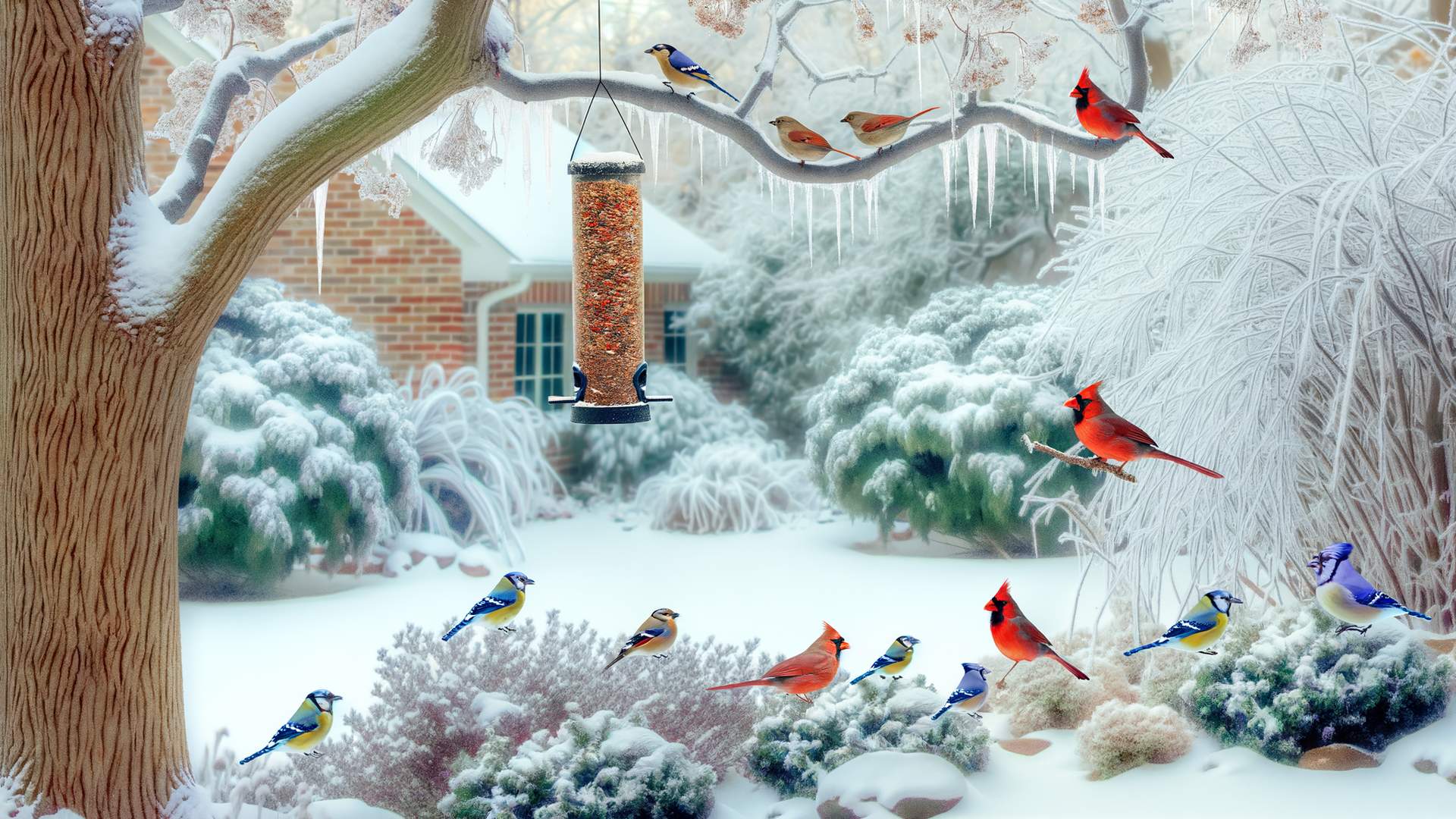
The world outside my window was a serene canvas painted with winter's soft hues – a symphony of whites, grays, and faint browns. Snow fell gently, wrapping the earth in a blanket of silence. Amidst this tranquility, one winter morning, I noticed the sudden flurry of movement – a group of small birds fluttering around my barren apple tree, their colorful feathers a delightful contrast against the cold backdrop.
What began as a simple act of kindness, a few seeds scattered on the snow-dusted ground, turned into a profound connection with nature during the harshest time of the year. As I watched these little beings feast on the nourishment I provided, I realized the impact our actions can have on the delicate balance of life, especially in winter when food is scarce.
This guide is not just a how-to; it is an invitation to form your own unique bond with nature. Whether you're a seasoned bird feeder or new to this winter practice, let this be your guide to creating a haven for our feathered friends during these colder months.
The Benefits of Winter Bird Feeding
Winter can be a challenging time for birds, with food sources dwindling and energy requirements rising. Feeding them during this time can have profound impacts:
Helping Birds Survive the Cold
During winter, bird feeders become crucial as insects and berries become scarce. Fat reserves are vital for survival, and you can help birds build these up with calorie-rich foods.
Connecting with Nature
Feeding birds offers a daily reminder of nature's beauty. Watching them provides joy and a sense of providing for creatures in need.
Educational Opportunities
Feeding stations offer a great way for families, particularly children, to learn about different species, behaviors, and environmental stewardship.
What to Feed Winter Birds
The choice of food will determine which birds visit your garden. Here's how to cater to different needs:
Seeds and Grains
- Black Oil Sunflower Seeds: Loved by almost every seed-eating bird, they're high in fat and nutritious.
- Millet: A favorite of juncos and sparrows.
- Safflower Seeds: Preferred by cardinals and grosbeaks but often left by squirrels and larger birds.
Fats
- Suet: A high-energy cake made from beef fat. Birds like woodpeckers and nuthatches flock to suet feeders.
- Peanut Butter: Spread on pinecones or branches as a tasty, high-fat treat.
Fruits
- Dried Fruits: Raisins, currants, and sultanas attract species like robins and bluebirds.
- Fresh Fruits: Apples and berries can also be offered on flat surfaces.
Nuts
- Peanuts: Shelled or whole, but unsalted, are excellent for attracting blue jays and other large birds.
Commercial Bird Food Mixes
These blends are specially crafted to cater to different bird species and dietary needs, often combining seeds, grains, and sometimes nuts or fruits.
When to Feed Birds in Winter
Timing and Frequency
Start in late fall as birds begin their preparations for the cold months. Consistency is key – irregular feeding can lead to dependency without resources, potentially endangering the birds.
Best Times of Day
Early morning and late afternoon are prime feeding times. Birds prefer to eat when daylight is scarce, ensuring they have energy reserves for the night.
Creating the Perfect Winter Bird Feeding Station
Designing your feeding area requires some thought and creativity to ensure the safety and comfort of your avian visitors:
Choosing the Right Feeders
Hopper Feeders
These hold a good amount of seed and are popular with larger birds like jays and grosbeaks.
Tube Feeders
Perfect for small birds, these offer multiple ports and reduce seed waste by controlling the flow.
Platform Feeders
Offering a large surface, they accommodate ground-feeding birds like sparrows and doves.
Placement and Maintenance
- Shelter and Safety: Position feeders in sheltered places to offer protection from the wind and predators.
- Cleanliness: Clean feeders regularly to prevent mold and disease.
Enhancing Your Garden to Be Bird-Friendly
A garden that is bird-friendly year-round benefits both the birds and your overall gardening experience.
Native Plants
Incorporate native shrubs and trees that provide natural food sources and habitats.
Water Features
Even in winter, birds need water. A heated birdbath can be a lifesaver.
Nesting and Overwintering
Provide birdhouses and nesting materials for species that remain in your area year-round.
Common Challenges and How to Overcome Them
Feeding birds in winter comes with its unique set of challenges. Here's how to address them:
Squirrel Problems
- Squirrel-Proof Feeders: Use baffles or choose weight-activated feeders.
- Alternative Feeding: Set up specific feeding areas for squirrels away from bird feeders.
Larger Birds Dominating Feeders
Equip feeders with cages that only allow small birds to enter, or place feeders designed for small birds.
Weather-Related Issues
Ensure feeders are accessible after snowfalls and check that seeds haven't become blocked by ice.
Legal and Ethical Considerations
- Local Wildlife Laws: Some areas have restrictions on feeding wildlife. Check local regulations.
- Prevent Spread of Disease: Regularly clean feeders using a mild bleach solution.
FAQs About Winter Bird Feeding
1. What is the best type of food for winter birds?
Black oil sunflower seeds are excellent due to their high fat content. Suet and peanuts are also nutritious options.
2. Is it okay to feed bread to birds?
No, bread lacks the essential nutrients that birds need and can cause health issues in large quantities.
3. How often should I fill my bird feeders in winter?
Check your feeders regularly, ideally daily, to ensure there is always food available particularly after snow cover or storms.
4. Can I make homemade bird food?
Yes, recipes using oats, suet, and seeds can be prepared at home.
5. Should I stop feeding birds in spring?
Slowly reduce feeding in late spring as natural food becomes more plentiful.
6. What can I do to keep squirrels out of my bird feeders?
Use squirrelproof feeders and place feeders away from trees and high surfaces.
7. Are bird feeders safe for birds?
When maintained clean and full, feeders are generally safe for birds.
8. Why aren’t birds visiting my feeders?
This may be due to location, incorrect food, or predator presence. Experiment with different feeder types and placements.
9. How do I clean my bird feeders?
Disassemble feeders, wash with warm soapy water, and sanitize with a bleach solution (1 part bleach to 9 parts water).
10. Why is water important for winter birds?
Water is essential for drinking and for preening to maintain feather insulation, even in winter.
Discussion (0)
No comments yet. Be the first to start the conversation!
Leave a Reply