

A New Beginning: My Emotional Journey with Thuja
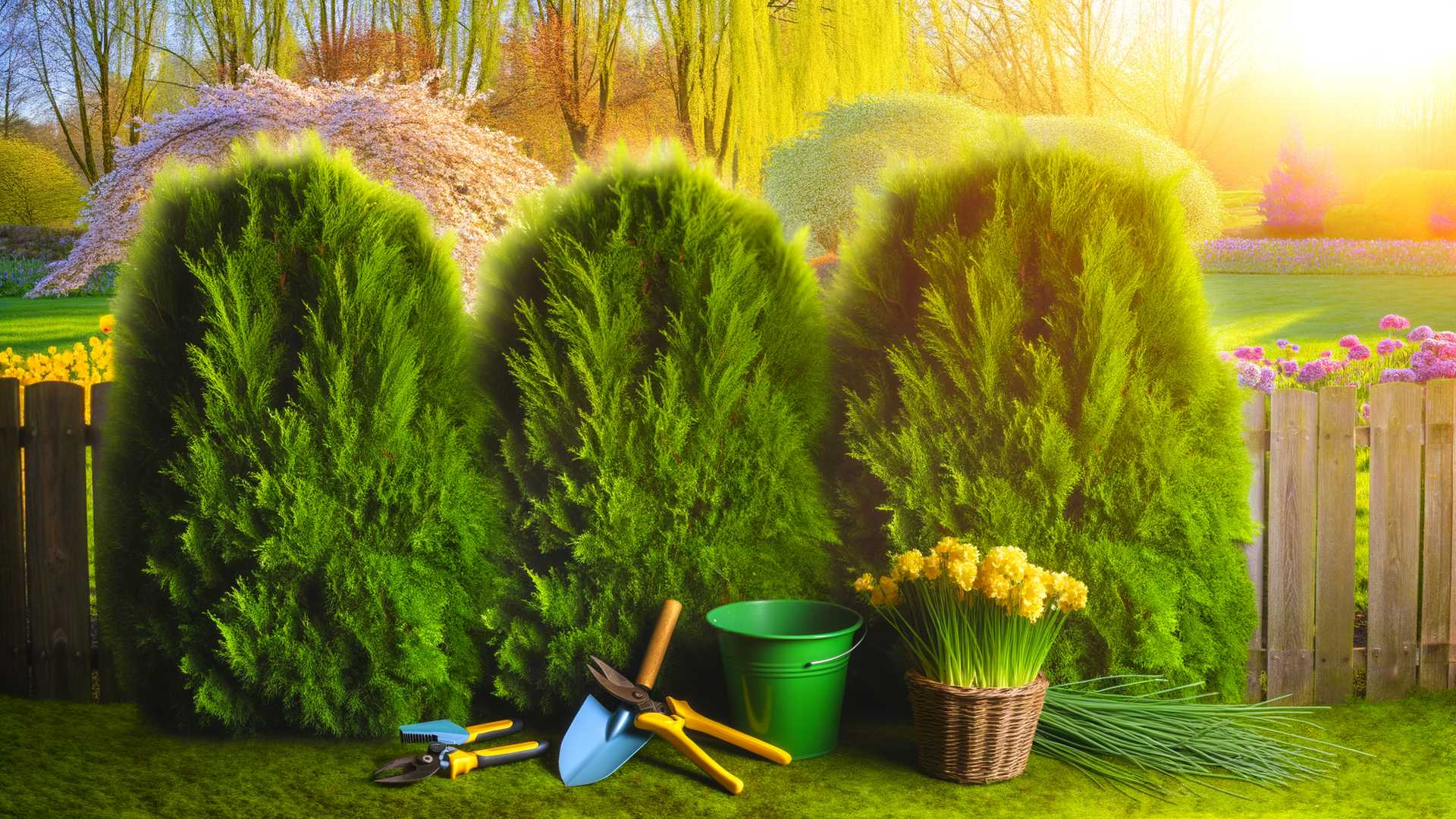
Spring has always held a special place in my heart—a season that signifies new beginnings, rejuvenation, and lush green gardens. I recall the first spring in our new home, standing at the edge of my overgrown garden. The previous homeowner had planted a line of neglected Thuja hedges, akin to forgotten soldiers of a once-imposing battalion. They were disheveled, their emerald coats tarnished by neglect and harsh winter winds. Yet, amidst the chaos, I saw potential—an opportunity to breathe life into these misunderstood sentinels, turning them into the anchor of my garden's beauty.
I felt an emotional connection to them, as if they were whispering stories of forgotten springs and vivid summers. Determined to restore their grandeur, I set off on a journey—a journey of reclaiming hope and beauty. Here's the story of how my spring cleaning ritual transformed my Thuja hedges, and how you can do the same.
Understanding the Magnificence of Thuja
What Are Thuja Hedges?
Commonly known as Arborvitae, the Thuja is a genus of coniferous trees in the Cupressaceae (cypress family). These evergreen beauties are cherished for their dense foliage and the striking greenery they offer throughout the year. Perfect for creating natural privacy fences, windbreaks, or as marquee attractions in landscapes, they are quite forgiving but thrive with a little tender, loving care.
The Importance of Spring Cleaning
Spring is the ideal time to clean, prune, and reinvigorate your Thuja hedges. As winter thaws, they emerge eager for sunlight and nutrients. Preparing them for the active growing season ensures they'll reach their full, lush potential.
Spring Cleaning Essentials for Thriving Thuja
Assessing the Damage
Start by inspecting your hedges. Winter can leave its marks in the form of broken branches, discolored leaves, and pest infestations. Careful assessment helps you identify areas that need attention.
- Scan for Damage: Check for winter burn, frost cracks, or broken branches.
- Examine for Pests: Look for signs of insect infestations or fungal growths.
- Look at Soil Conditions: Ensure the mulch is present to protect roots, and that the soil drains well.
Pruning: The Art of Shaping
A well-pruned Thuja hedge is a sight to behold. Pruning not only maintains the shape but also encourages dense, healthy growth.
- Timing: The best time to prune is early spring, before new growth starts.
- Tools: Use clean, sharp shears or loppers.
- Technique: Begin by removing dead, diseased, or damaged branches. Cut close to the trunk to avoid leaving stubs.
- Shaping: Focus on achieving a slightly tapered shape, narrower at the top, which allows sunlight to reach lower branches.
Feeding Your Hedges
Healthy Thujas need the right nutrients to grow lush foliage. Here's how to feed them:
- Balanced Fertilizer: Use a slow-release granular fertilizer with a balance of nitrogen, phosphorus, and potassium.
- Application: Apply in early spring, around the drip line, and avoid direct contact with the trunk.
- Organic Options: Compost and well-rotted manure are great natural alternatives.
Watering and Mulching: The Twin Pillars
Adequate Watering
As the temperatures rise, maintaining soil moisture is crucial. Remember, Thujas prefer consistently moist soil but abhor waterlogged conditions.
- Watering Schedule: In the absence of rain, water deeply once a week.
- Early Morning Routine: Water in the early morning to reduce evaporation and fungal risks.
Mulching: A Protective Blanket
Mulch serves as the protective blanket for your Thuja, conserving soil moisture and regulating temperature.
- Type: Opt for organic mulch like wood chips or bark.
- Depth: Spread a layer 2-3 inches thick, taking care not to pile it against the trunk, which can encourage rot.
Combatting Pests and Diseases
Common Threats to Thuja
- Insects: Spider mites and aphids are known adversaries.
- Diseases: Root rots and cankers can wreak havoc if unchecked.
Prevention and Treatment
Preventive Measures:
- Proper Spacing: Ensure adequate spacing for air circulation.
- Healthy Soil: Maintain nutrient-rich soil to strengthen natural defenses.
Treating Issues:
- Organic Solutions: Neem oil and insecticidal soaps control pests without harming beneficial insects.
- Professional Help: Severe infestations or diseases may require expert intervention.
Crafting the Perfect Environment
Sunlight and Positioning
Optimal Light: Thujas thrive with at least six hours of direct sunlight. Position them accordingly when planting new hedges.
Protecting from Wind
- Windbreaks: Enlist a row of hardy shrubs to shield against harsh winds.
- Temporary Barriers: Burlap screens can provide immediate protection for younger plants.
FAQs: Nurturing Your Thuja
What causes browning of Thuja leaves?
Browning can stem from over or underwatering, insufficient sunlight, or harsh winter conditions. Assess watering practices and site positioning to rectify the issue.
How do I revive my dying Thuja hedge?
Prune away dead portions, improve watering consistency, and provide adequate nutrients and mulch to support recovery.
How often should I water my Thuja hedges?
Water once a week deeply during dry spells, ensuring the soil is moist but not waterlogged.
What type of mulch is best for Thuja?
Organic mulches like wood chips or bark are ideal for preserving moisture and regulating soil temperature.
Should I fertilize my Thuja immediately after planting?
Avoid fertilizing newly planted Thujas until after the initial growing season to allow roots to establish.
When is the best time to prune Thuja?
Early spring, before new growth appears, is the optimal time to prune for health and shape maintenance.
How can I protect my Thuja from pests organically?
Use neem oil or insecticidal soap to naturally manage pest populations without harming beneficial insects.
Can Thuja be planted in containers?
While possible, container-grown Thujas require more attention to watering and nutrients.
How to deal with root rot in Thuja?
Ensure proper drainage and reduce watering frequency. Severely affected plants may need professional assessment.
How do I prevent winter damage to my Thuja?
Applying mulch and using windbreaks can help minimize winter damage, alongside strategic pruning.
Discussion (0)
No comments yet. Be the first to start the conversation!
Leave a Reply