A Personal Tale: Rediscovering My Love for Fading Thuja
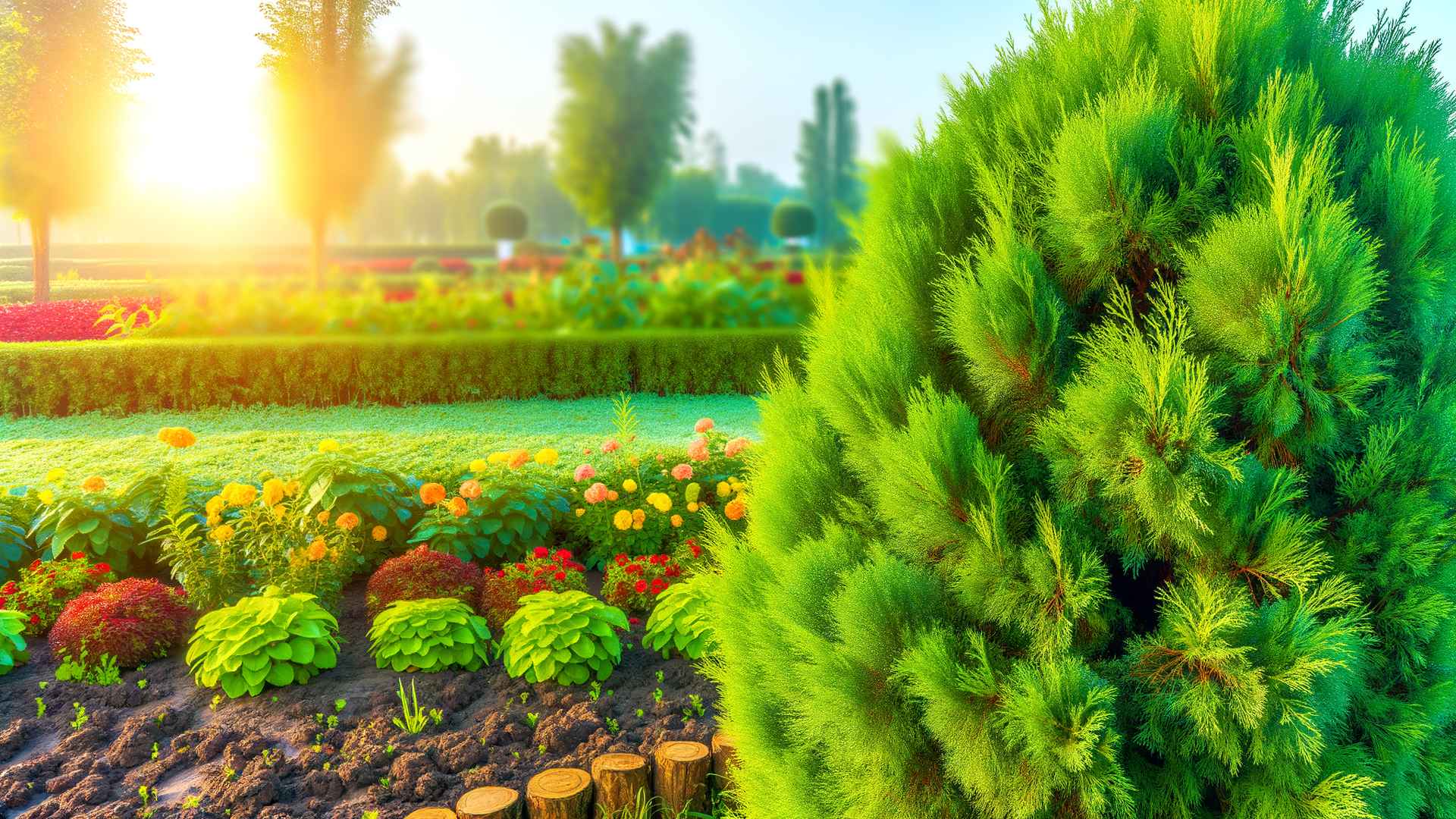
Once upon a time, in the cozy corner of my garden, a row of beautifully towering Thuja trees graced my backyard with their majestic presence. They had once been a vibrant green, their foliage as lush as a summer meadow, swaying gently with the whispers of the wind. Each tree seemed like an ancient guardian with stories to tell, providing not just privacy but a delightful backdrop to my everyday life.
But as with many things, the passage of time and unforeseen circumstances began to take a toll on my beloved Thujas. Their once-vivid green began to fade into splotches of brown, and my heart ached at the sight. I knew I had to act; I had to revive this essential part of my life's tapestry before it withered into just a memory. This is the story of not just the Thujas, but the lessons learned and the journey toward rejuvenation and growth.
Understanding the Nature of Thuja
What Makes Thuja Special?
While the Thuja, commonly known as the Arborvitae, may not boast the vibrant blooms of some other garden varieties, it possesses a unique stately beauty all its own. These evergreen trees can create an incredible living fence that stands steadfast throughout all seasons. Native to various parts of North America and Asia, Thuja is prized for being relatively low-maintenance, drought-tolerant once established, and resistant to many pests.
Common Varieties of Thuja
There are several popular varieties of Thuja that gardeners like myself adore, each with its unique characteristics:
- Thuja occidentalis (American Arborvitae): Known for its versatility and adaptability.
- Thuja plicata (Western Red Cedar): Renowned for its fast growth and impressive height.
- Thuja orientalis (Oriental Arborvitae): Offers a distinct upright form and aromatic foliage.
Diagnosing the Problem: Why Is Your Thuja Turning Brown?
Environmental Stresses
The fading foliage of a Thuja is often a cry for help, signaling that it’s under environmental stress. Factors such as drought, intense sunlight, or even excessive shade can contribute to this. Thuja thrives with consistent moisture and well-drained soil, so erratic watering schedules can lead to dehydration or waterlogging.
Soil Issues
Well-draining soil is crucial for the health of your Thujas. Compacted soil can suffocate roots, causing stress that manifests in yellowing or browning leaves. A soil test can reveal deficiencies in key nutrients such as nitrogen, phosphorus, or potassium, which may be contributing to the decline.
Pests and Diseases
The notorious bagworms, spider mites, and diseases like root rot can also play villains in this tale. Regular inspection of your trees can help in early detection, mitigation, and the use of eco-friendly treatments.
Steps to Revive Your Fading Thuja
Evaluate and Adjust Watering
Consistent and correct watering is a key aspect of Thuja care. During dry months, deeply water your trees to ensure moisture penetrates to the roots. However, avoid overwatering, which can suffocate the roots and lead to fungal issues. Using a soaker hose can provide even hydration without encouraging fungal growth on foliage.
Amend and Aerate the Soil
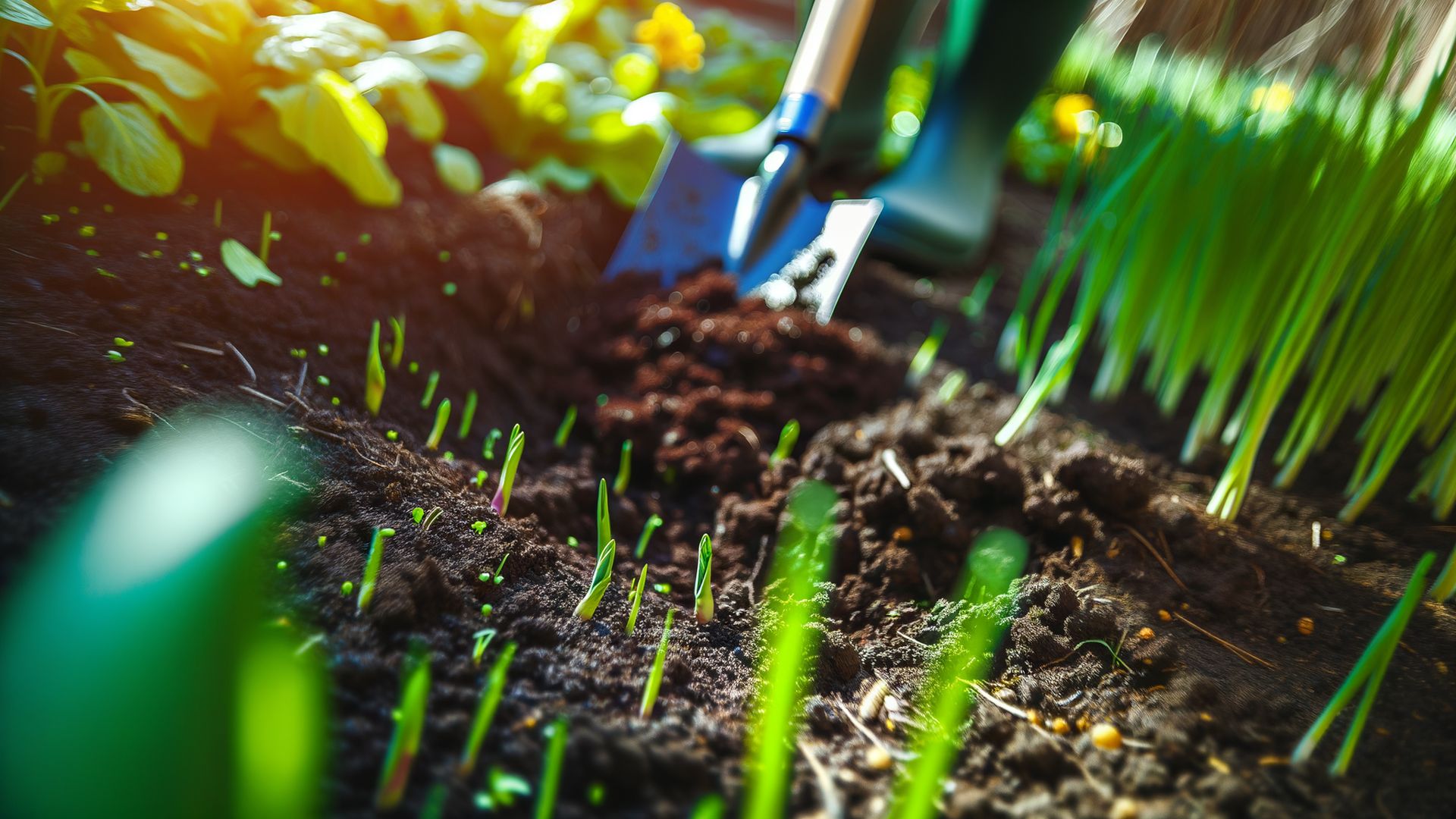
If a soil test identifies deficiencies, incorporating compost and slow-release, balanced fertilizer can replenish depleted nutrients. Aerating the soil around the tree can help alleviate compaction, allowing roots to access the air they need to breathe.
Pruning and Deadheading
Removing dead or dying branches will not only improve the aesthetic appearance of your Thuja but will encourage healthier growth. Pruning should always be done with clean, sharp tools to prevent introducing diseases.
Pest and Disease Management
Upon identifying pest infestations like those of bagworms or spider mites, apply appropriate treatments. Insecticidal soaps or oil sprays can be effective non-toxic solutions. For disease management, ensure adequate airflow around the branches by pruning to prevent fungal growth and apply fungicides when necessary.
Nurturing Your Thuja for Longevity
Mulching for Moisture Retention
Applying a layer of organic mulch around the base of your Thuja trees can prevent moisture loss and reduce temperature fluctuations in the soil. Keep the mulch a few inches away from the trunk to prevent rot.
Fertilization Schedule
Implementing a regular fertilization schedule, particularly in the spring before new growth emerges, can provide your Thujas with the nutrients they need to withstand environmental stresses. Opt for a slow-release, balanced formula to minimize the chance of fertilizer burn.
Seasonal Care
Preparation for each season can make a significant difference in a Thuja's health:
- Spring and Summer: Focus on feeding, watering, and pest monitoring.
- Autumn: Prepare for winter by applying mulch and trimming any broken branches.
- Winter: Protect against heavy snow by gently knocking off accumulations, which can cause branches to break.
Frequently Asked Questions
How Often Should I Water My Thuja?
Water newly planted Thujas weekly during the first year. Established trees benefit from a thorough soak every two weeks during dry spells.
Can I Save a Completely Brown Thuja?
If the browning is extensive and no green growth is visible, it may be challenging to revive. However, early intervention can save trees that still have green growth beneath the outer branches.
What Time of Year Should I Prune My Thuja?
Pruning is best in early spring before new growth starts. Avoid late summer or fall pruning, which can elicit new growth susceptible to winter frost damage.
Is It Normal for My Thuja to Shed Some Leaves?
Thujas naturally shed older leaves in late spring or early fall, which is a normal growth cycle and should not be a cause for concern.
Are Bagworms the Only Pest I Should Worry About?
While bagworms are common, watch for signs of aphids, scale insects, and spider mites, especially during dry, hot weather.
How Can I Improve Soil Drainage for My Thujas?
Incorporating organic matter like compost or installing drainage tiles can enhance the soil structure and its permeability.
Why Are My Thujas Not Growing Taller?
Stunted growth can be due to insufficient light, poor soil nutrient content, or improper pruning practices. Review these areas to encourage upward growth.
What Is the Best Fertilizer for Thuja?
A balanced 10-10-10 fertilizer or a specifically formulated evergreen fertilizer works well for Thujas, applied according to package directions.
Do Thujas Need Full Sunlight?
While Thujas prefer full sunlight, they can tolerate partial shade. However, too much shade can lead to slower growth and less dense foliage.
Can I Plant Thuja Near My House?
Yes, but ensure adequate space for growth. Thujas can reach significant heights and widths, so planting at least 4-6 feet away from structures is advised.
Discussion (0)
No comments yet. Be the first to start the conversation!
Leave a Reply