
Unlock Your Fruit Trees' Potential This March – Don’t Miss Out!
I remember vividly the crisp morning air, that spring a few years back, as I stood gazing at my orchard. It was one of those rare, quiet dawns where the world still seemed to sleep, except for the chatter of early birds and the gentle rustle of leaves waking up. My fruit trees were my companions, each one a testament to years of hard work. That March, as the first golden rays pierced the horizon, I experienced the awakening of life that only a gardener can truly appreciate. Little did I know, this month would become a pivotal point in my gardening journey—a time to unlock the full potential of my orchards.
The Importance of March for Fruit Trees
March is not just the prelude to the bright spectacles of spring and summer. It is a crucial month for preparing your fruit trees for a bountiful harvest. During this transitional period, they shake off their dormancy and start gearing up for the growth season. Think of this time as the warm-up before a marathon—it can make all the difference.
Understanding the Spring Wake-Up
As the temperature rises, your fruit trees begin to stir. Buds swell with anticipation of the warm weeks ahead. To help your trees capitalize on this moment, start by assessing their current state. Are the branches healthy? Is there any visible damage from winter's grasp? This assessment is the first step to nurturing them back to health.
Prepping the Soil
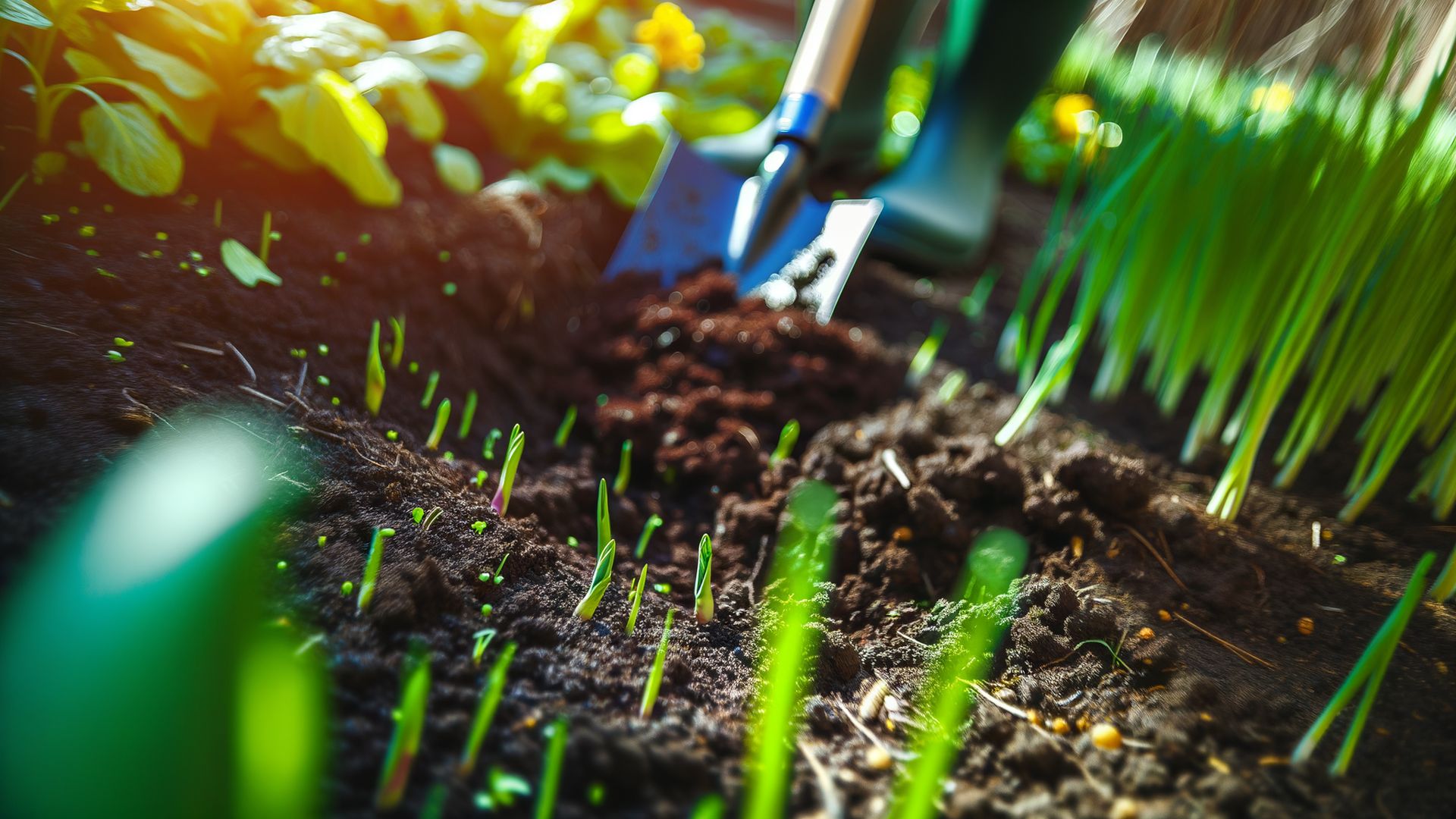
Healthy soil means happy trees. Use this time to enrich your soil with nutrients. It's a perfect opportunity to incorporate organic matter like compost or well-rotted manure. These enhancements will not only feed your trees but also improve soil texture and moisture retention.
Pruning for Prosperity
Pruning is arguably the most vital task in March. It shapes the future of your harvest, determining everything from growth patterns to disease prevention. Prune away dead or damaged branches, allowing more light and air to penetrate the canopy. This careful touch will ensure your trees are strong, healthy, and ready to flourish.
Essential March Tasks for Fruit Tree Care
Feed with Fertility in Mind
After a long dormancy, trees hunger for a nutritious start. Fertilizing in March stimulates growth by supplying essential nutrients. Opt for a balanced fertilizer high in nitrogen but also rich in phosphorus and potassium. The balance will support root development and flowering.
Strategic Watering
With weather fluctuations, it's crucial to implement a strategic watering routine. Monitor rainfall; over-saturation can lead to root rot, while dryness can damage tender budding branches. Aim for a consistent supply that keeps the soil slightly moist but never waterlogged.
Pest and Disease Management
As temperatures warm, pests awaken from their winter slumber, ready to attack. This makes March ideal for implementing preventive measures against diseases and pests. Use dormant oil sprays to eliminate overwintering insect eggs and fungal spores.
Mulching Matters
A layer of mulch promotes moisture retention and keeps weeds at bay. Apply around your trees but keep it away from the trunk to prevent rot. Mulching not only protects but also adds organic matter as it breaks down.
Selecting and Planting New Trees
March is also the opportune moment to consider adding to your orchard. The soil is warming, making it conducive for planting.
Choosing the Right Varieties
Consider varieties suited to your climate and soil type. This decision impacts everything from growth rate to fruit quality. Seek disease-resistant varieties that are hardy and capable of producing abundant yields.
Planting with Precision
When planting, dig a hole twice the size of the tree's root ball. Position the tree so that its root flare sits just above ground level. Fill the hole carefully, firming the soil to eliminate air pockets. Water deeply to settle the roots into their new home.
Celebrate the March Magic
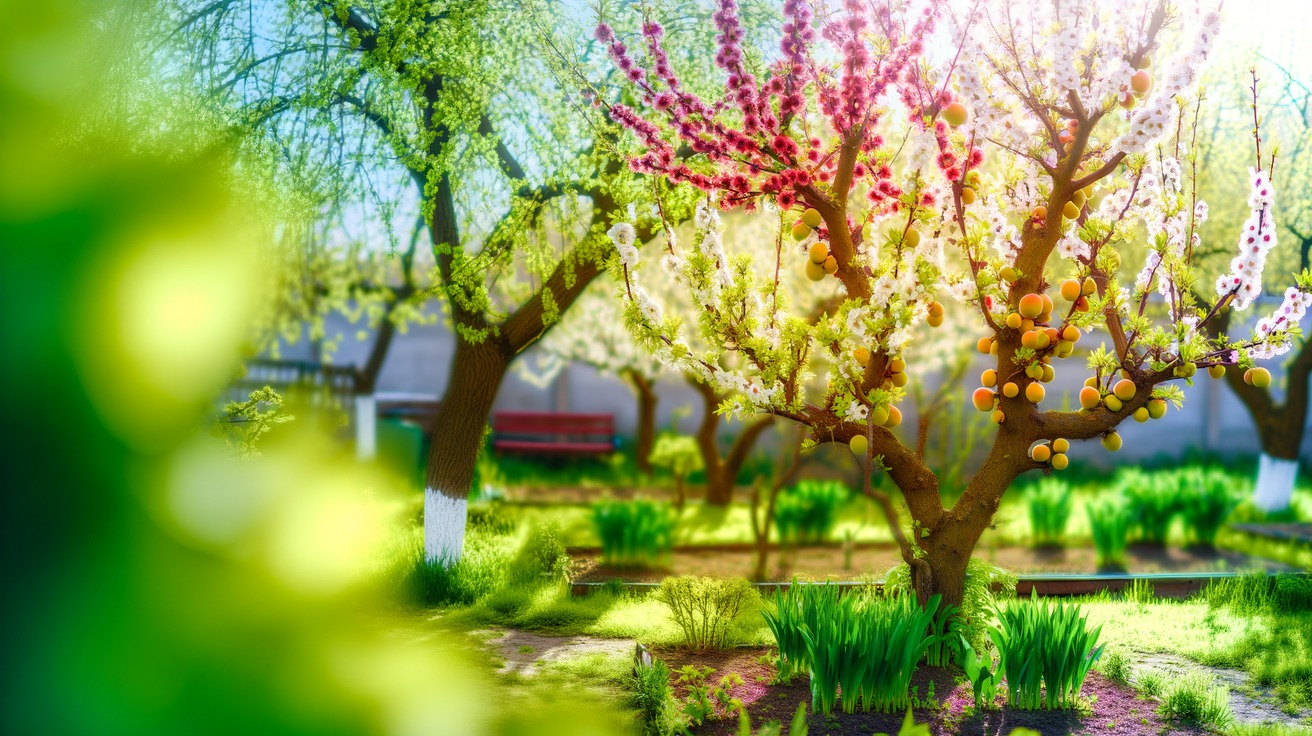
This month, more than any other, offers you a chance to connect with nature in a profound way. As you toil, remember that each moment spent is an investment in the months ahead. Soon, your efforts will be rewarded with the first blooms, paints of promise against the backdrop of the awakening earth.
Frequently Asked Questions
1. Why is March crucial for fruit tree care?
March is the time when trees naturally exit dormancy and begin preparations for new growth. Proper care ensures healthy development and bountiful harvests.
2. How often should I water my fruit trees in March?
Watering should be balanced. Keep the soil moist but not wet. Frequency depends on climate and any rain received.
3. What type of fertilizer should I use?
Use a balanced fertilizer with a good amount of nitrogen, phosphorus, and potassium. Tailor it to your soil's nutrient deficiencies if possible.
4. What are the dangers of over-pruning?
Over-pruning can damage a tree's growth, leading to less fruit production and increased vulnerability to pests and disease.
5. How do I detect pest infestations early?
Regular inspections for signs like leaf deformations, droppings, or visible insects can catch issues before they escalate.
6. Is it necessary to mulch every year?
Yes, mulching annually supports moisture retention, weed control, and adds organic matter to the soil as it decomposes.
7. How can I prevent frost damage in March?
Keep an eye on forecasts; use covers like burlap on frosty nights to protect tender blooms.
8. Should I remove grass from around the tree base?
Yes, remove grass to reduce competition for nutrients and water. A mulch layer can also help keep grass away.
9. How high should trees be pruned?
Prune to open the canopy for air circulation but avoid over-cutting. Focus on dead, damaged, or crossed branches.
10. What is the best species for a beginner?
Consider robust and disease-resistant varieties like apple or plum, which are easier for novices to manage.
Discussion (0)
No comments yet. Be the first to start the conversation!
Leave a Reply