
The Summer of My Awakening: Discovering Garlic Spray
There was a summer not long ago when my garden was under siege. It was supposed to be the most glorious time of year for my backyard oasis, a time when flowers bloomed with vibrant colors and fresh produce ripened under the tender kiss of sunshine. However, my dreams of a verdant paradise were interrupted by an unwelcome invasion of pests. Aphids, caterpillars, and spiders seemed bent on devouring my hard work, and my spirits began to wane.
Desperate for a solution, I embarked on a quest through books, forums, and workshops. That’s when I stumbled upon a natural solution: garlic spray. With equal parts skepticism and hope, I gave it a try. To my astonishment, my garden began to thrive! The pungent magic of garlic kept the pests at bay while allowing beneficial insects to flourish. It was more than a garden transformation; it was a personal awakening to the wonders of natural gardening solutions.
Understanding The Power of Garlic
The Science of Garlic's Potency
Garlic’s natural compounds are what make it such a formidable ally against garden pests. The active ingredients, primarily allicin, are released when garlic is crushed or chopped. This compound not only gives garlic its characteristic odor but also serves as a natural repellent.
Benefits Beyond Pest Control
Apart from banishing pests, garlic contributes to soil health. It acts as a natural fertilizer, enriching the earth with sulfur and other nutrients, and improves soil structure. Moreover, garlic helps in disease prevention among plants, reducing the risk of fungal infections and bacterial intrusions.
Crafting Your Own Garlic Spray
Ingredients and Equipment
Before you start, gather the following ingredients:
- 10 cloves of garlic
- 1 liter of water
- 2 tablespoons of mineral oil
- 1 teaspoon of natural dish soap
- Strainer
- Spray bottle
The Simple Recipe
-
Prepare the Garlic: Crush garlic cloves and let them sit for 15 minutes. This allows the allicin to form.
-
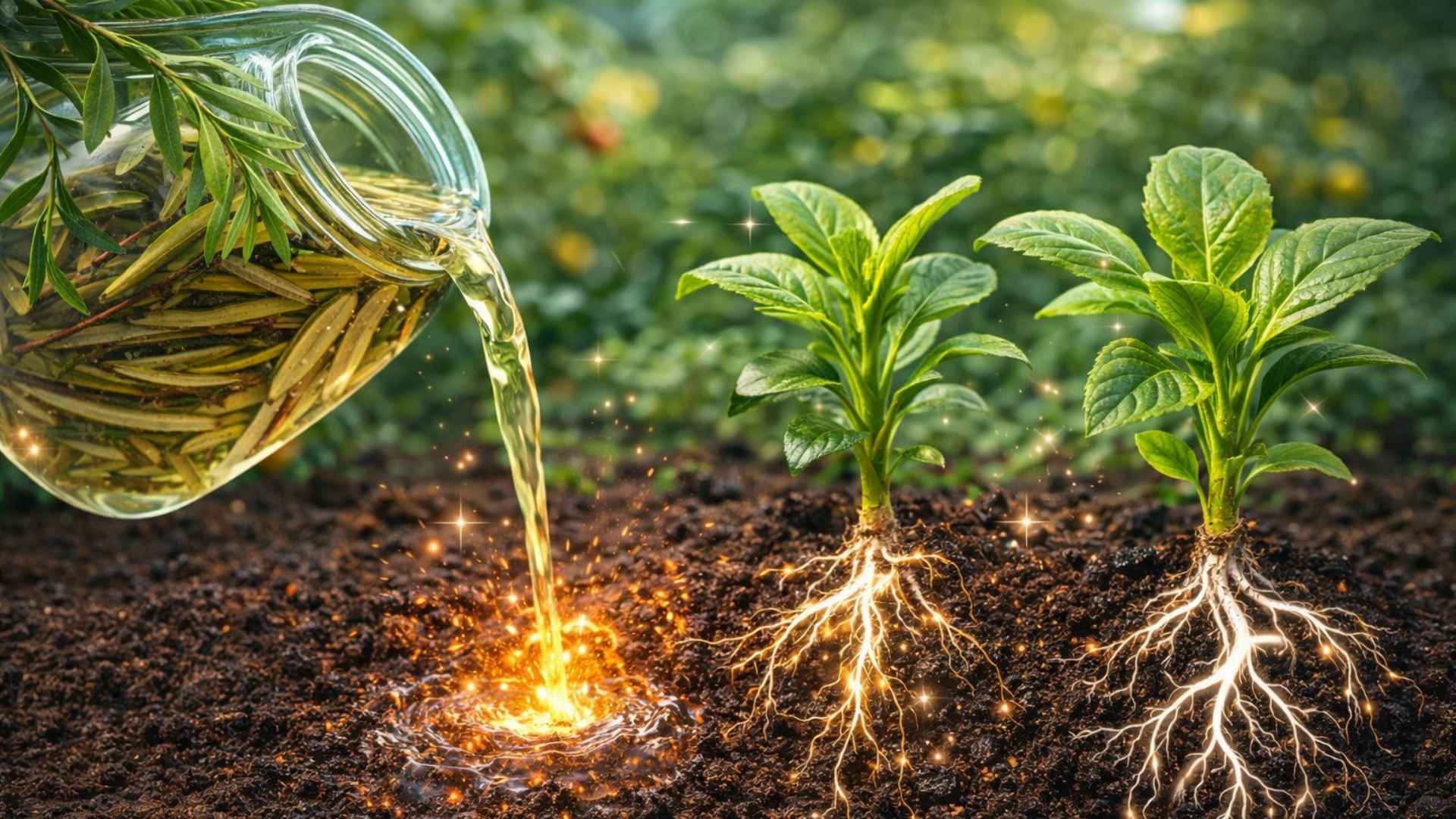
Create the Mixture: Add the crushed garlic to the water. Let it steep for 24 hours to ensure the solution is potent.
-
Add Oil and Soap: After 24 hours, mix in mineral oil and natural dish soap. These ingredients help the solution stick to plant leaves.
-
Strain and Store: Strain the mixture to remove garlic bits and pour the liquid into a spray bottle.
Application Tips
-
When to Spray: Apply your garlic spray either early in the morning or late in the evening to maximize effectiveness and avoid harming beneficial insects like bees.
-
Frequency: For initial treatment, spray every other day. Once the pests are under control, maintain a bi-weekly schedule.
Know Your Enemy: Targeted Pest Control
Pests Garlic Spray Works On
Garlic spray is effective against a wide range of garden pests:
- Aphids: These tiny, sap-sucking insects are driven away by the pungent smell of garlic.
- Caterpillars: While they can be persistent, regular applications will deter caterpillars from settling.
- Slugs and Snails: These garden nuisances find garlic's aroma repulsive.
- Japanese Beetles: Known for devouring foliage, these beetles avoid garlic-sprayed plants.
Pests Beware
While garlic spray is excellent for many pests, it may not be as effective against larger predators or very specific insects, such as some types of fungal gnats or borers. For these, you may need to combine garlic spray with other natural treatments or deterrents.
Enhancing Your Garden's Neem Potential
Combining with Neem Oil
To increase the potency of your garlic spray, consider combining it with neem oil. Neem oil targets a broader spectrum of pests and acts as an antifungal agent. This duo offers a comprehensive approach to natural pest management.
Environmental Considerations
Remember that natural pest control is not just about immediate solutions; it's about long-term garden health. Diverse plantings and the presence of insects like ladybugs and lacewings can support a natural pest balance, enhancing the overall ecosystem.
FAQs About Garlic Spray
1. Does garlic spray affect pollinators?
Garlic spray primarily targets pests that harm plants and tends to be non-toxic to most pollinators. Apply it when pollinators are not active to mitigate any potential impact.
2. How long will the garlic spray last?
When stored properly in a cool, dark place, garlic spray can last up to two weeks. However, it loses potency over time, so fresh batches are more effective.
3. Can garlic spray harm plants?
When used correctly, garlic spray is safe for plants. Be sure to test a small area first, especially on sensitive plants, to ensure it doesn’t cause leaf burn.
4. Is garlic spray safe for pets and humans?
Garlic spray is non-toxic to pets and humans, making it a safe choice for family gardens.
5. Can I use garlic spray indoors?
Yes, garlic spray can be used on indoor plants. Ensure proper ventilation and avoid direct application on edibles close to harvest.
6. What if it rains after spraying?
Rain can dilute and wash away the spray, reducing its effectiveness. Reapply after significant rainfall.
7. Does garlic spray repel animal pests?
Garlic spray can deter some animals, like deer and rabbits, due to its strong smell. However, it may not be foolproof against determined critters.
8. Will garlic spray affect the taste of my vegetables?
When used appropriately, garlic spray should not impact the taste of your vegetables. Avoid direct application on produce right before harvesting.
9. How can I increase the potency of my spray?
Allowing the garlic to steep longer before adding oil and soap can enhance potency. Increasing the garlic quantity can also make a stronger spray.
10. Can garlic spray be combined with other organic treatments?
Absolutely! Garlic spray is versatile and can be combined with treatments like neem oil for broader pest management.
Discussion (0)
No comments yet. Be the first to start the conversation!
Leave a Reply