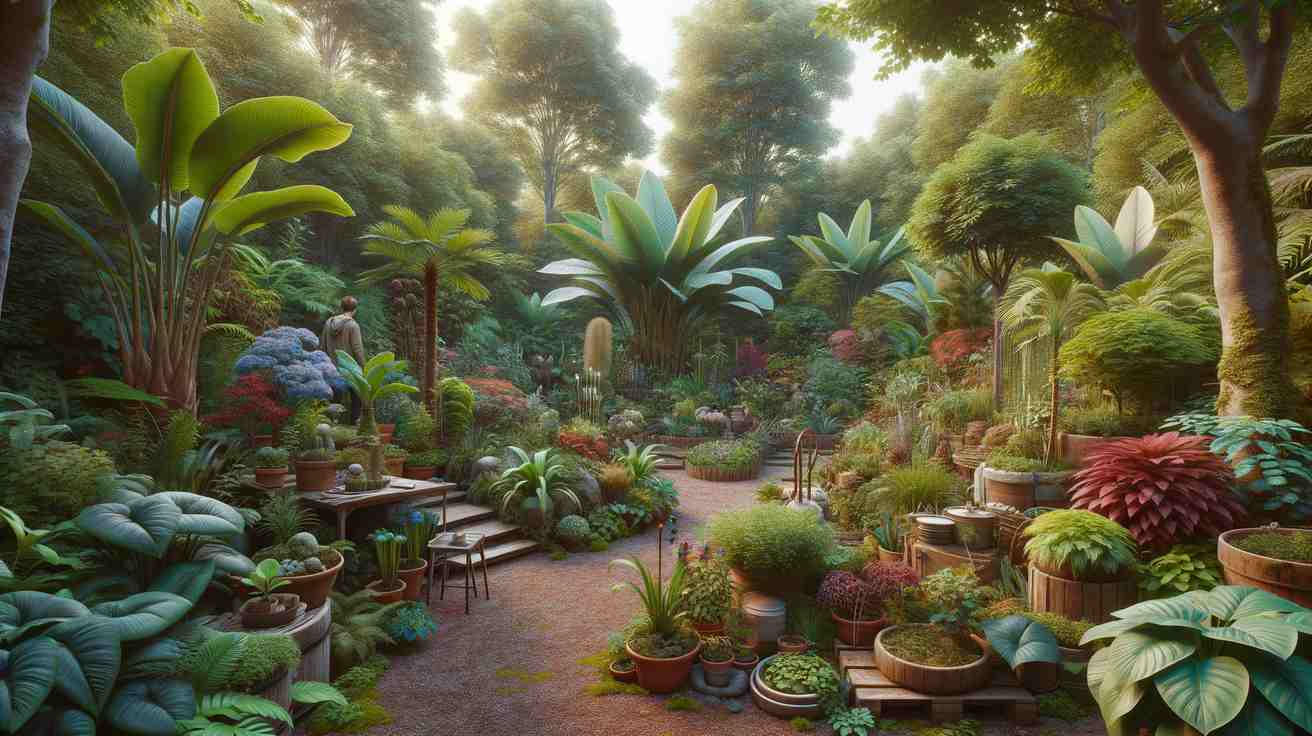
The resurgence of rare plant collecting is in full bloom, and it's Gen Z leading the charge. In a world increasingly focused on sustainability and uniqueness, this younger generation has embraced an age-old hobby with a modern twist. The once niche pastime of collecting rare plants has now become a vibrant movement, fueled by social media, online communities, and a desire for individuality. But what exactly is driving this plant collecting craze, and how are Gen Z enthusiasts making their mark on the horticultural world?
The Roots of the Rare Plant Craze
Rare plant collecting is not a new phenomenon. For centuries, botanists and plant enthusiasts have traveled the globe in search of unique species to study and cultivate. The Victorian era was particularly renowned for its "orchidelirium," a period when wealthy individuals would go to great lengths to acquire exotic orchids. Today, the passion for rare plants is experiencing a renaissance, but with a more accessible and democratized approach.
The Influence of Social Media
Social media platforms, particularly Instagram and TikTok, have played a crucial role in reviving interest in rare plants. These platforms allow Gen Z collectors to showcase their collections, exchange tips, and connect with other enthusiasts worldwide. Plant influencers—individuals who have garnered large followings by sharing their plant journeys—have made rare plant collecting both aspirational and achievable. Through captivating images and engaging videos, they demystify the process of acquiring and caring for rare plants, making it more approachable for newcomers.
A Quest for Uniqueness
In an era where mass production is the norm, owning a rare plant provides a sense of individuality and achievement. Gen Z collectors are drawn to the uniqueness and exclusivity that rare plants offer. Owning a plant that few others have not only elevates their living spaces but also serves as a conversation starter. This desire for uniqueness extends beyond aesthetics; it is a reflection of personal values and lifestyle choices.
Understanding Rare Plants
Before diving into collecting, it's important to understand what makes a plant "rare." While the term can be subjective, it generally refers to plants that are not commonly found in the wild or in local nurseries. They may be rare due to their limited natural habitat, endangered status, or difficulty in cultivation.
Types of Rare Plants
-
Aroids: This family includes popular genera such as Monstera, Philodendron, and Anthurium. Aroids are known for their striking foliage and are highly sought after by collectors.
-
Succulents and Cacti: While many succulents are readily available, certain species, such as the rare Astrophytum asterias or Lithops, can be elusive.
-
Orchids: With thousands of species, orchids offer endless possibilities for collectors. Some, like the Ghost Orchid, are notoriously difficult to find and grow.
-
Carnivorous Plants: Species like the Venus Flytrap and Pitcher Plants are fascinating both for their rarity and their unique method of obtaining nutrients.
-
Ferns: Certain ferns, particularly those with unusual fronds or growth patterns, are coveted by enthusiasts.
The Gen Z Approach to Plant Collecting
Gen Z has brought a fresh perspective to the world of plant collecting, characterized by their use of technology, commitment to sustainability, and community-oriented mindset.
Leveraging Technology
Online marketplaces and plant apps have made it easier than ever to buy, sell, and trade rare plants. Platforms like Etsy and specialized plant shops allow collectors to access a global network of sellers. Additionally, plant identification apps help enthusiasts learn more about their plants and care for them properly.
Sustainability and Conservation
With environmental concerns at the forefront, Gen Z collectors are particularly conscious of sustainability. Many prioritize sourcing plants from reputable sellers who practice ethical propagation methods. Some even engage in plant rescues, salvaging plants from areas threatened by development or environmental change.
Building Community
For many Gen Z collectors, rare plant collecting is as much about community as it is about the plants themselves. Online forums, social media groups, and local plant swaps provide opportunities to connect, share knowledge, and support one another. These communities foster a sense of belonging and encourage collaboration rather than competition.
Practical Steps for Aspiring Collectors
Embarking on a rare plant collecting journey requires more than just enthusiasm. Here are practical steps to get started:
Research and Education
Begin by educating yourself about different plant species and their specific care requirements. Books, online resources, and local botanical gardens can provide valuable insights. Understanding the needs of a plant is crucial for its survival and growth.
Assess Your Environment
Consider your living environment, including light levels, humidity, and space, before acquiring new plants. Some rare species have specific requirements that may not be suitable for every home.
Start Small
It's easy to become overwhelmed by the allure of rare plants, but starting with a few manageable species is wise. Begin with plants that are relatively easy to care for and gradually expand your collection as you gain confidence.
Networking and Community Engagement
Join plant groups, attend local plant swaps, and engage with online communities to learn from experienced collectors. Networking can also help you find rare plants that may not be available in stores.
Ethical Sourcing
Ensure that you are purchasing plants from ethical sources. Reputable sellers should be able to provide information about the plant's origin and propagation methods. Avoid contributing to the illegal trade of endangered species by verifying the legality of your purchases.
Challenges and Considerations
While rare plant collecting is rewarding, it also comes with challenges. Understanding these can help you navigate the hobby more effectively.
Cost
Rare plants can be expensive, with some sought-after species fetching hundreds or even thousands of dollars. Budgeting and prioritizing purchases are essential to avoid financial strain.
Plant Health
Rare plants may be more susceptible to pests and diseases, requiring diligent care and monitoring. Regular inspections and preventative measures can help maintain plant health.
Legal Restrictions
Some plants are protected by international laws, such as CITES, which regulates the trade of endangered species. Be aware of any legal restrictions before purchasing rare plants, especially if importing from abroad.
Looking Forward
The rare plant collecting craze shows no signs of waning, and with Gen Z at the helm, it is poised to evolve in exciting ways. As technology advances and environmental awareness grows, the hobby will likely become more innovative and sustainable. Whether you're an experienced collector or a curious newcomer, there's never been a better time to dive into the world of rare plants.
FAQs
1. What makes a plant rare?
A plant is considered rare if it is not commonly found in the wild or in local nurseries. This rarity can be due to limited natural habitat, endangered status, or difficulty in cultivation.
2. How do I start collecting rare plants?
Begin by researching different species and their care requirements. Assess your environment, start with a few manageable plants, and engage with plant communities for support and advice.
3. Are rare plants more difficult to care for?
Some rare plants have specific care needs that may be challenging for beginners. However, with proper research and attention, they can thrive in the right conditions.
4. Why is Gen Z leading the rare plant collecting craze?
Gen Z's interest in sustainability, uniqueness, and community has driven their engagement with rare plant collecting. Social media and technology have also made the hobby more accessible.
5. How can I ensure I’m buying plants ethically?
Purchase from reputable sellers who use ethical propagation methods. Avoid buying plants that are illegally traded or endangered without proper documentation.
6. What are some beginner-friendly rare plants?
Consider starting with aroids like Monstera or Philodendron, which are easier to care for and readily available from reputable sources.
7. Can rare plants be grown indoors?
Yes, many rare plants can be grown indoors if their specific light, humidity, and temperature needs are met.
8. Are there legal restrictions on buying rare plants?
Some rare plants are protected by international laws like CITES, which regulate the trade of endangered species. Ensure legality when purchasing or importing plants.
9. How can I connect with other rare plant collectors?
Join online forums, social media groups, and attend local plant swaps to connect with other collectors and share knowledge.
10. What role does social media play in rare plant collecting?
Social media has significantly contributed to the popularity of rare plant collecting by providing a platform for sharing, learning, and connecting with fellow enthusiasts.
Discussion (0)
No comments yet. Be the first to start the conversation!
Leave a Reply