
A Personal Tale of Garden Resurgence
There was a time, not too long ago, when my own patch of paradise seemed to teeter dangerously on the brink of oblivion. It all started on a sweltering summer afternoon when, with a heavy heart, I noticed the demure droop of my once vibrant geraniums. Their fiery reds had faded into weak whispers of their former glory. The leaves were wilting, and it seemed as though hope in my little green oasis was slowly waning.
As I sat amongst the dying chlorophyll soldiers, I spotted a small figure hobbling up the path—my elderly neighbor, Mrs. Thornhill, who had nurtured her garden into a lush wonderland for as long as I could remember. With an empathetic smile, she approached, a twinkle in her eye and secrets in her stride.
"It's not as daunting as it seems, dear," she murmured, handing me a small spray bottle filled with a mysterious amber liquid. "This simple trick saved my beloved roses more times than I can count."
That night, I set about dutifully administering Mrs. Thornhill’s elixir to my weary plants. The next morning? A miracle—the geraniums were perky once again, and their colors vivid, as if spring had kissed them anew. Intrigued and enchanted, I set on a journey to understand and replicate her garden alchemy.
The Science Behind Plant Revival
Understanding Plant Stress
Before diving into the magic solution, it's essential to grasp why plants reach a state of despair. Much like humans, plants can suffer from stress due to environmental changes—like too much sun, lack of nutrients, over-watering, or pesky pests. Identifying the stressor is the first step to reviving your foliage friends.
The Solution: A Simple Elixir
The concoction that Mrs. Thornhill shared with me was a simple yet potent mixture: water, aspirin, and hydrogen peroxide. These ingredients work synergistically to resuscitate dying plants. Here's how each component aids in recovery:
- Aspirin: Known scientifically as salicylic acid, aspirin helps strengthen a plant's immune system, mirroring the salicylic acid plants naturally produce in response to stress.
- Hydrogen Peroxide: This enhances soil aeration and combats fungal infections, ensuring your plant's roots have a healthy environment to thrive in.
Application Process
To prepare the magical elixir that could revive your plants overnight, you'll need:
- 1 cup of water
- 1 uncoated aspirin tablet (325 mg)
- 1 teaspoon of hydrogen peroxide
- Dissolve the aspirin in the water until it's completely mixed.
- Carefully add the hydrogen peroxide.
- Pour the solution into a spray bottle for easy application.
Spray your plants either on their leaves or directly into the soil. Make sure to do this in the evening for best results, as this allows the solution to work effectively without drying in the sun.
Additional Tips for Plant Revival
Assess the Soil
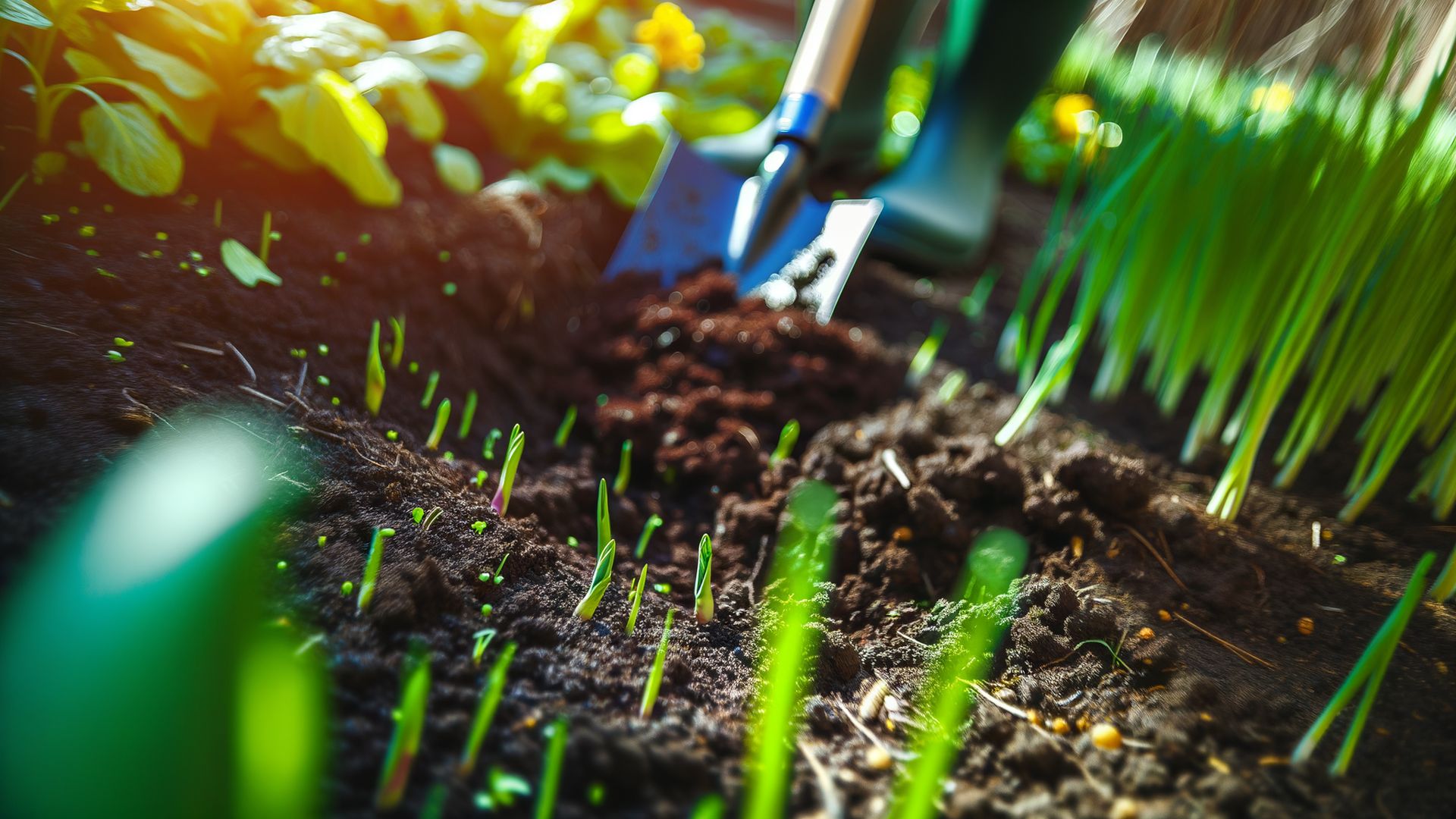
Beyond the immediate care solution, remember that soil health is paramount. Poor drainage, lack of nutrients, or compacted soil could be culprits behind droopy leaves. Regularly loosen soil and incorporate organic matter to enhance its structure.
Water Wisdom
Ensure your plants are getting the right amount of water. Too much water can drown the roots, while too little can parch them. Create a schedule that factors in your plant’s type and environmental conditions.
Light and Location
Evaluate whether your plant is receiving adequate sunlight. Some plants crave full sun, while others thrive in dappled shade. Changing its location could be a simple yet effective fix.
Pest Patrol
Check for any unwanted guests gnawing at your plants’ leaves. Transferring them indoors or using natural repellents like neem oil could protect them from further harm.
The Art of Maintenance
Pruning Perfection
Revive your plants with a simple pruning routine. Removing dead or discolored leaves ensures that the plant directs its energy toward new growth.
Feeding Time
Reignite your plant’s vigor by regularly providing them with the right nutrients. Choose natural fertilizers rich in potassium and nitrogen for flourishing results.
Create a Supportive Environment
Consider your plant’s microenvironment. Indoors, ensure good ventilation and humidity controls. Outdoors, group plants with similar needs together to create mini-ecosystems that support one another’s growth.
FAQs on Plant Revival
How often should I use the solution?
The magical elixir can be used every two weeks until your plant shows signs of significant recovery.
Is this method safe for all plants?
Yes, but delicate plants should be tested first on a small area to ensure no adverse reactions occur.
Can I substitute aspirin with any other ingredient?
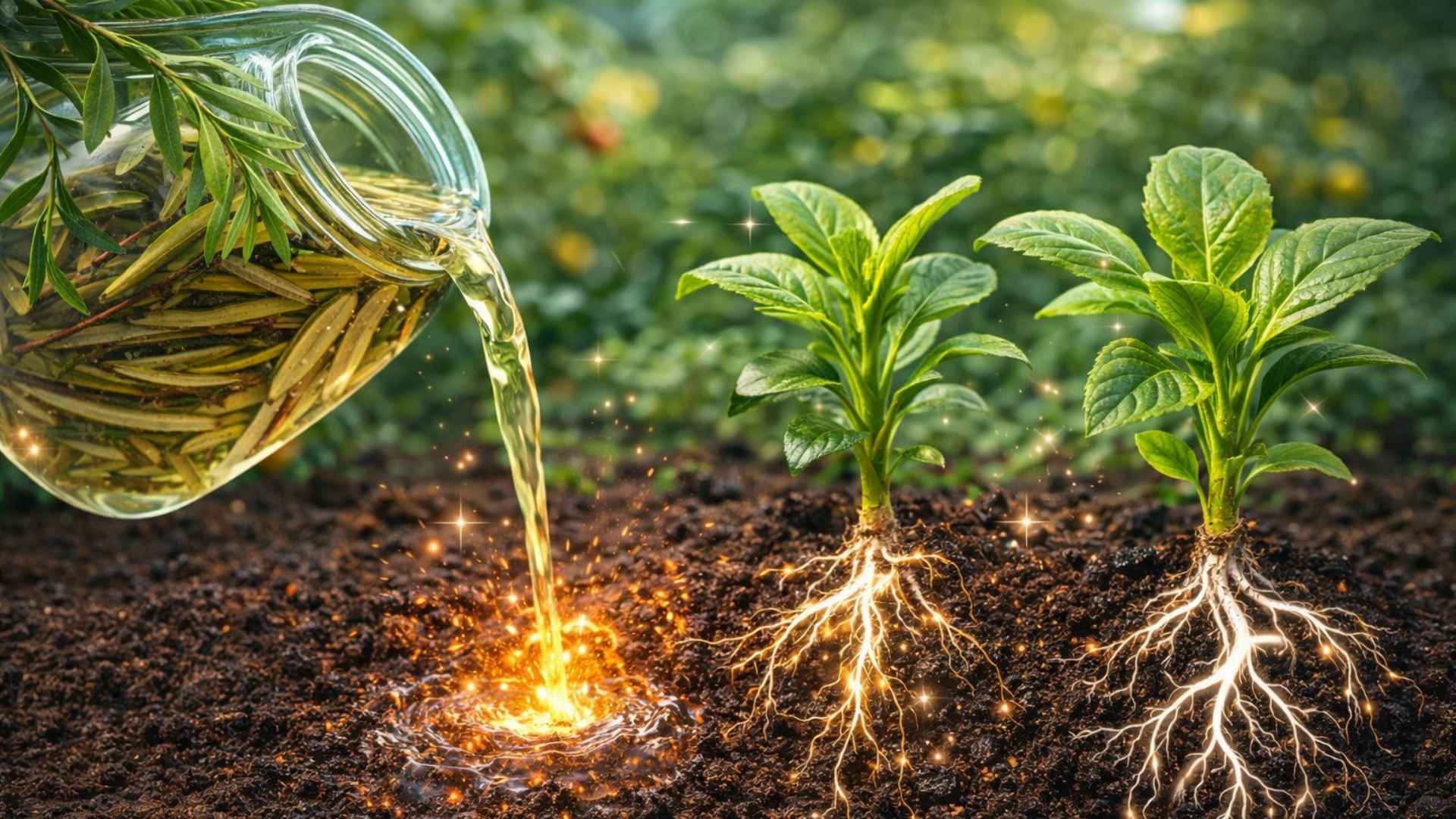
Aspirin is preferred as it contains salicylic acid, but willow bark extract is a natural alternative.
Does the hydrogen peroxide harm plant roots?
No, when used correctly, it improves oxygen levels in the soil, benefiting root health.
What if the plants don’t respond overnight?
Patience is key. While many plants show improvement quickly, some may take longer depending on the extent of stress.
Should I change my watering frequency after using the solution?
Yes, adjust based on soil moisture levels to avoid waterlogging.
Can this solution be used on edibles like herbs and vegetables?
Absolutely, it's safe for edibles, but always rinse any produce before consumption.
What's the best time of year to perform plant revival?
Spring and early summer are ideal, as plants regain their natural growth vigor.
Can this trick prevent plant stress in the first place?
While it’s primarily a revival method, regular use can bolster plants’ resilience to stressors.
How can I make the solution without aspirin?
Crushing a small amount of willow bark, which contains natural salicylic acid, can serve as a substitute.
Discussion (0)
No comments yet. Be the first to start the conversation!
Leave a Reply