
Gardening enthusiasts know the joy of watching plants thrive, and cucumbers are among those rewarding crops that can fill your garden with abundance. If you're like me, you're always on the lookout for strategies to extend your harvest and boost plant vitality. This past summer, I stumbled upon a simple yet powerful trick that kept my cucumber vines productive until the first frost. It all started with a humble weekly pour at the roots, transforming my garden's yield beyond expectations.
Understanding Cucumber Growth
Before diving into the magical elixir that boosted my cucumbers, it's essential to understand what cucumbers need to flourish. Cucumbers (Cucumis sativus) are warm-season vegetables that thrive in rich, well-drained soil with plenty of sunlight. They require consistent moisture, but waterlogged conditions can lead to root rot, so balance is key. The right nutrients can make a world of difference in their growth and productivity.
The Role of Soil and Nutrients
Healthy soil is the foundation of a productive cucumber plant. Cucumbers prefer slightly acidic to neutral soil, with a pH between 6.0 and 7.0. They are heavy feeders, meaning they require a steady supply of nutrients, particularly nitrogen, phosphorus, and potassium. Incorporating organic matter like compost or well-rotted manure can significantly enhance soil fertility.
Watering Essentials
Consistent watering is crucial for cucumbers, especially during dry spells. Uneven moisture can lead to issues like bitterness in fruits or blossom end rot. A drip irrigation system or soaker hose can help maintain a steady moisture level without wetting the foliage, reducing the risk of fungal diseases.
The Weekly Elixir: Fish Emulsion
The secret to my cucumber success lies in a simple garden amendment: fish emulsion. This organic fertilizer is made from fish waste and provides a nutrient-rich boost that cucumber plants respond to spectacularly.
Why Fish Emulsion?
Fish emulsion is a liquid fertilizer rich in nitrogen, phosphorus, and potassium, the key nutrients for vigorous plant growth. It also contains trace elements and amino acids that improve plant health and soil structure. The nitrogen content promotes lush, leafy growth, while phosphorus supports strong root development and flowering. Potassium is essential for overall plant vigor and disease resistance.
How to Apply Fish Emulsion
To harness the power of fish emulsion, I incorporated it into my weekly watering routine. Here's the straightforward method I used:
-
Dilute the Fish Emulsion: Follow the manufacturer's instructions, typically mixing 1 to 3 tablespoons of fish emulsion per gallon of water. It's crucial to dilute it properly to avoid burning the plant roots.
-
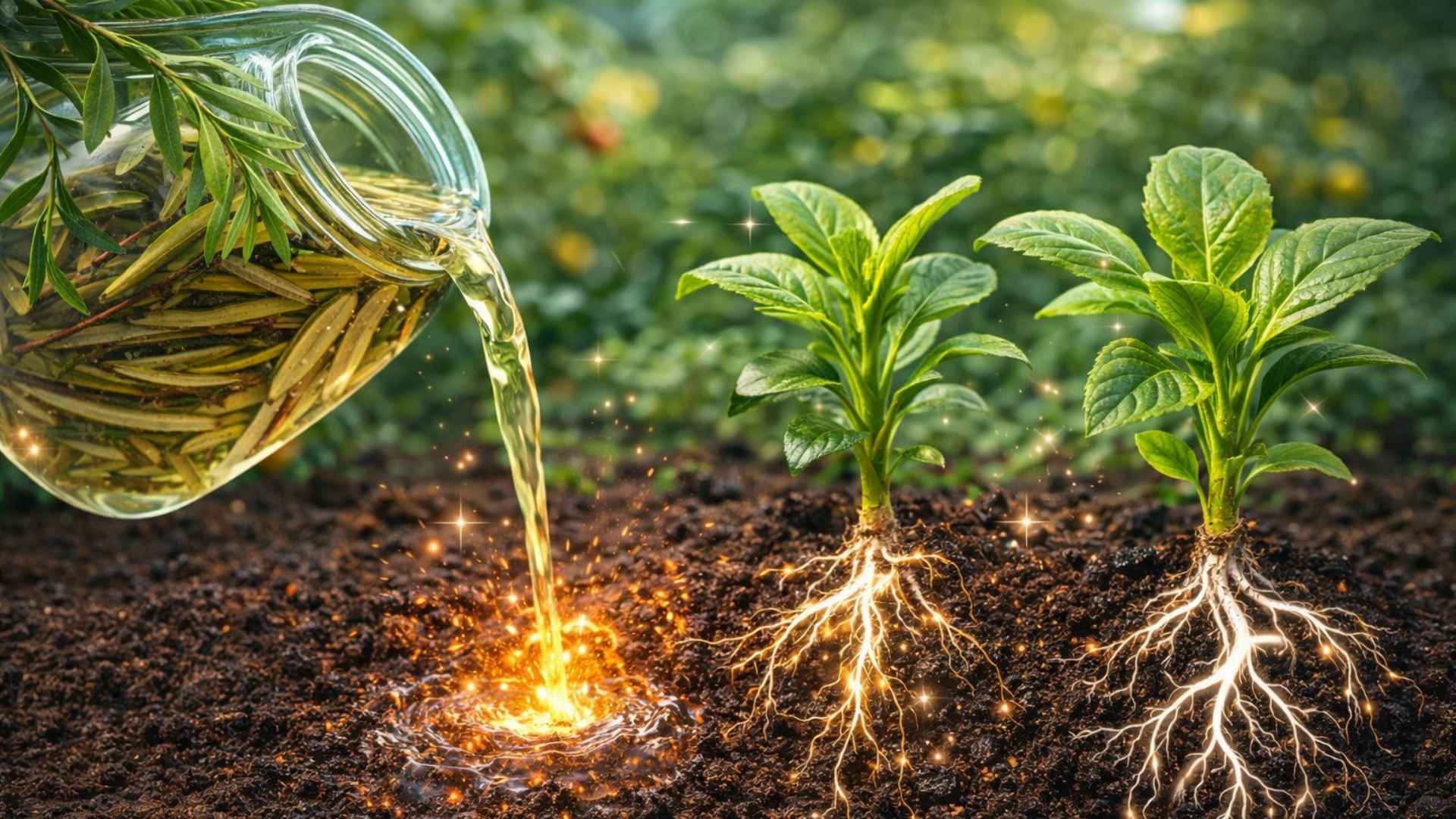
Apply at the Base: Pour the diluted fish emulsion directly at the base of the cucumber plants. Ensure the solution soaks into the soil around the root zone rather than splashing on the leaves, as this can attract pests and promote diseases.
-
Timing: Consistency is key. I applied the solution once a week, early in the morning or late afternoon to minimize evaporation and maximize absorption.
-
Monitor Plant Response: Keep an eye on your cucumbers. Healthy, vibrant foliage and continuous fruit production are signs that the plants are benefiting from the extra nutrients.
Benefits Observed
The impact of the fish emulsion was evident. My cucumber plants displayed robust growth, with leaves that remained a deep green throughout the season. They produced an impressive quantity of crisp and flavorful cucumbers, consistently flowering and setting fruit until the first frost.
Extended Harvest
The most significant benefit was the extended harvesting period. Even as the temperatures began to drop, my cucumbers continued to thrive. This prolonged productivity meant more fresh produce for salads, pickles, and sharing with neighbors.
Improved Plant Health
Beyond yield, the overall health of my cucumber plants was noticeably better. The fish emulsion seemed to fortify them against common issues like powdery mildew and pest infestations, likely due to the improved nutrient balance and enhanced resilience.
Other Tips for Cucumber Success
While fish emulsion played a pivotal role in my cucumber triumph, several complementary practices contributed to the overall success.
Mulching
Applying a layer of organic mulch around the base of the cucumber plants helps retain soil moisture, suppress weeds, and maintain a stable soil temperature. Straw, grass clippings, or shredded leaves are excellent mulching options.
Companion Planting
Companion planting can enhance the growth and flavor of cucumbers. Consider planting nasturtiums, marigolds, or radishes nearby to deter pests and promote a healthy garden ecosystem.
Pruning and Training
Pruning excess foliage and training your cucumber vines onto a trellis can improve air circulation and sunlight exposure, reducing the risk of disease and making harvesting easier.
Frequently Asked Questions
1. Can I use fish emulsion on other plants in my garden?
Yes, fish emulsion is versatile and can benefit a wide range of garden plants, including tomatoes, peppers, and leafy greens.
2. Is fish emulsion safe for organic gardening?
Absolutely. Fish emulsion is a natural, organic fertilizer that aligns with organic gardening principles.
3. How often should I apply fish emulsion to my cucumbers?
Applying fish emulsion once a week is generally effective, but you can adjust the frequency based on plant response and soil conditions.
4. Can I make my own fish emulsion at home?
Homemade fish emulsion is possible but requires fermenting fish scraps and can be quite odorous. Store-bought options are more convenient and less messy.
5. What are the signs of over-fertilizing with fish emulsion?
Over-fertilizing can cause leaf burn, yellowing, or excessive leafy growth with fewer fruits. Always dilute the emulsion properly.
6. Are there alternatives to fish emulsion if I have a fish allergy?
Yes, seaweed-based fertilizers or compost teas are excellent alternatives that provide similar benefits without using fish products.
7. How can I prevent cucumber diseases naturally?
In addition to using fish emulsion, ensure good air circulation, rotate crops annually, and maintain healthy soil to prevent diseases.
8. What are the best cucumber varieties for extended harvests?
Varieties like 'Marketmore 76', 'Straight Eight', and 'Lemon Cucumber' are known for their long production periods.
9. Can fish emulsion attract pests?
If applied correctly and not splashed on foliage, fish emulsion shouldn't attract pests. Its smell dissipates quickly once absorbed into the soil.
10. Is there an ideal time to start using fish emulsion on cucumbers?
Begin applying fish emulsion once the cucumber plants have two to three true leaves and continue throughout the growing season.
Discussion (0)
No comments yet. Be the first to start the conversation!
Leave a Reply